

Home › Exhibitions › Archive of exhibitions › 2025 › Milan Kubíček: The Black and White Universe
Milan Kubíček: The Black and White Universe
Milan Kubíček: The Black and White Universe
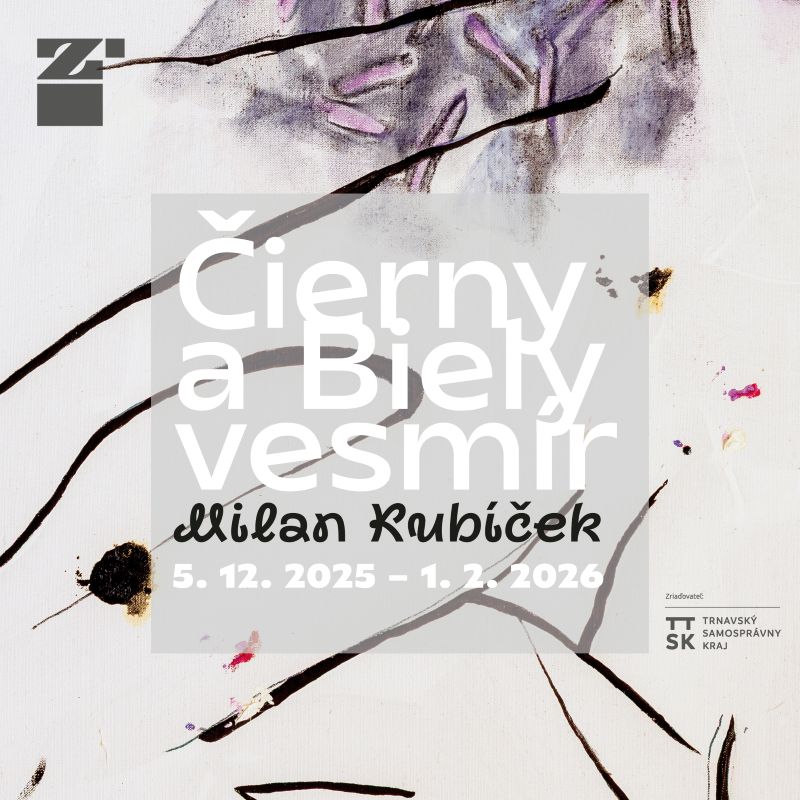
Artist, exhibition title: Milan Kubíček: The Black and White Universe
Venue: Záhorie Gallery of Ján Mudroch in Senica, Sadová 619/3
Curator: Božena Juríčková
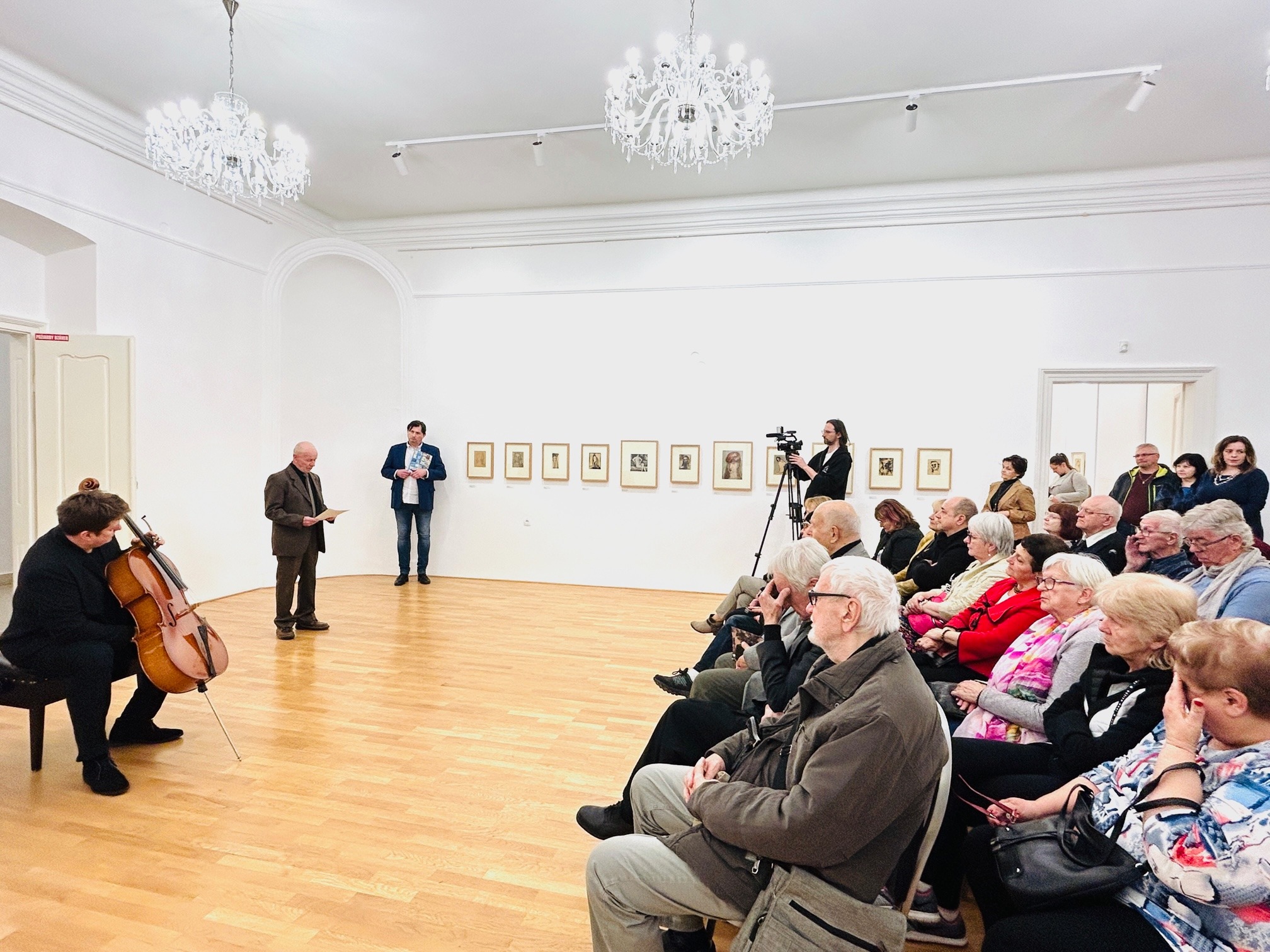
Opening: 5 December 2025 (Friday) at 17:00
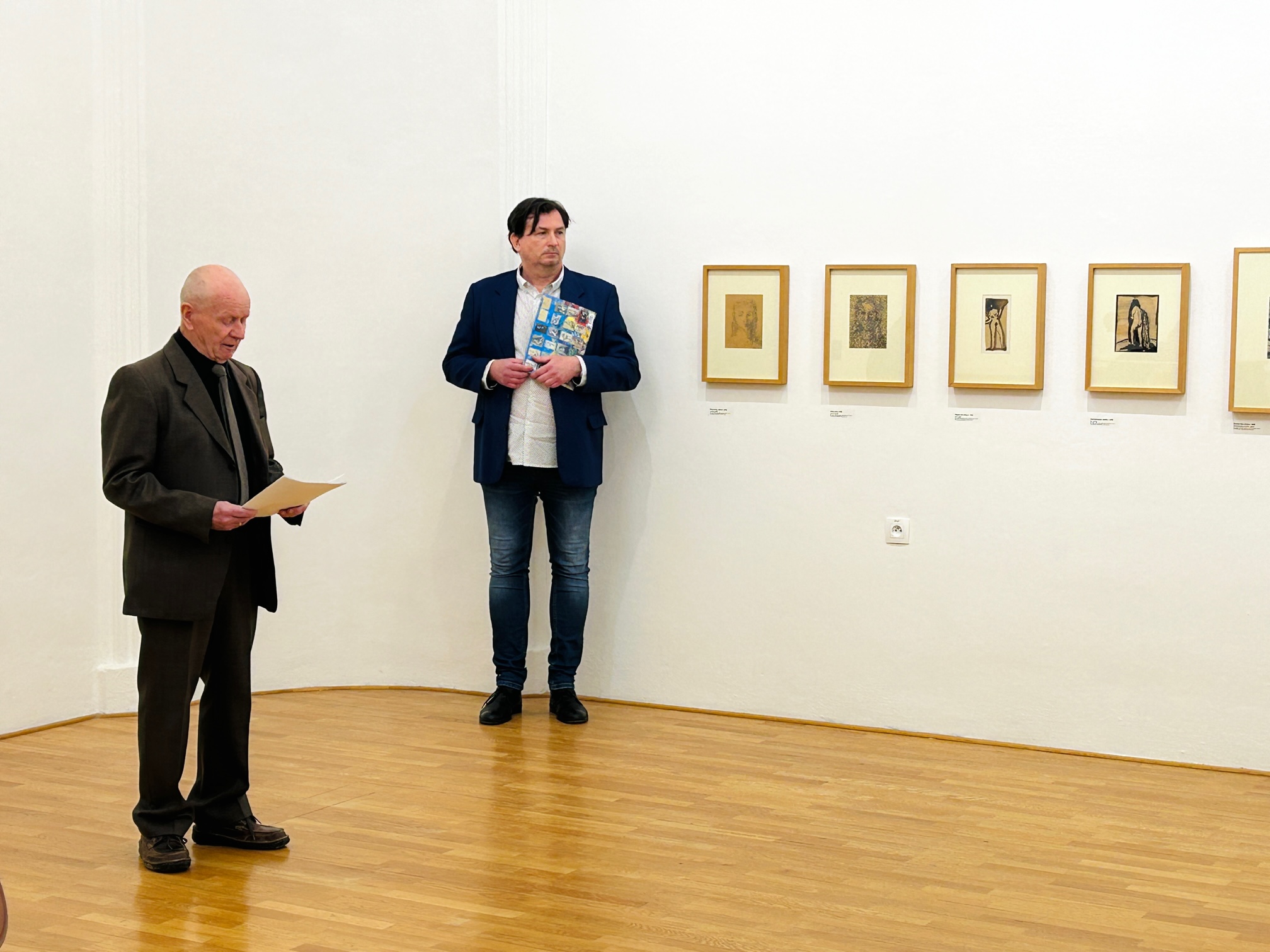
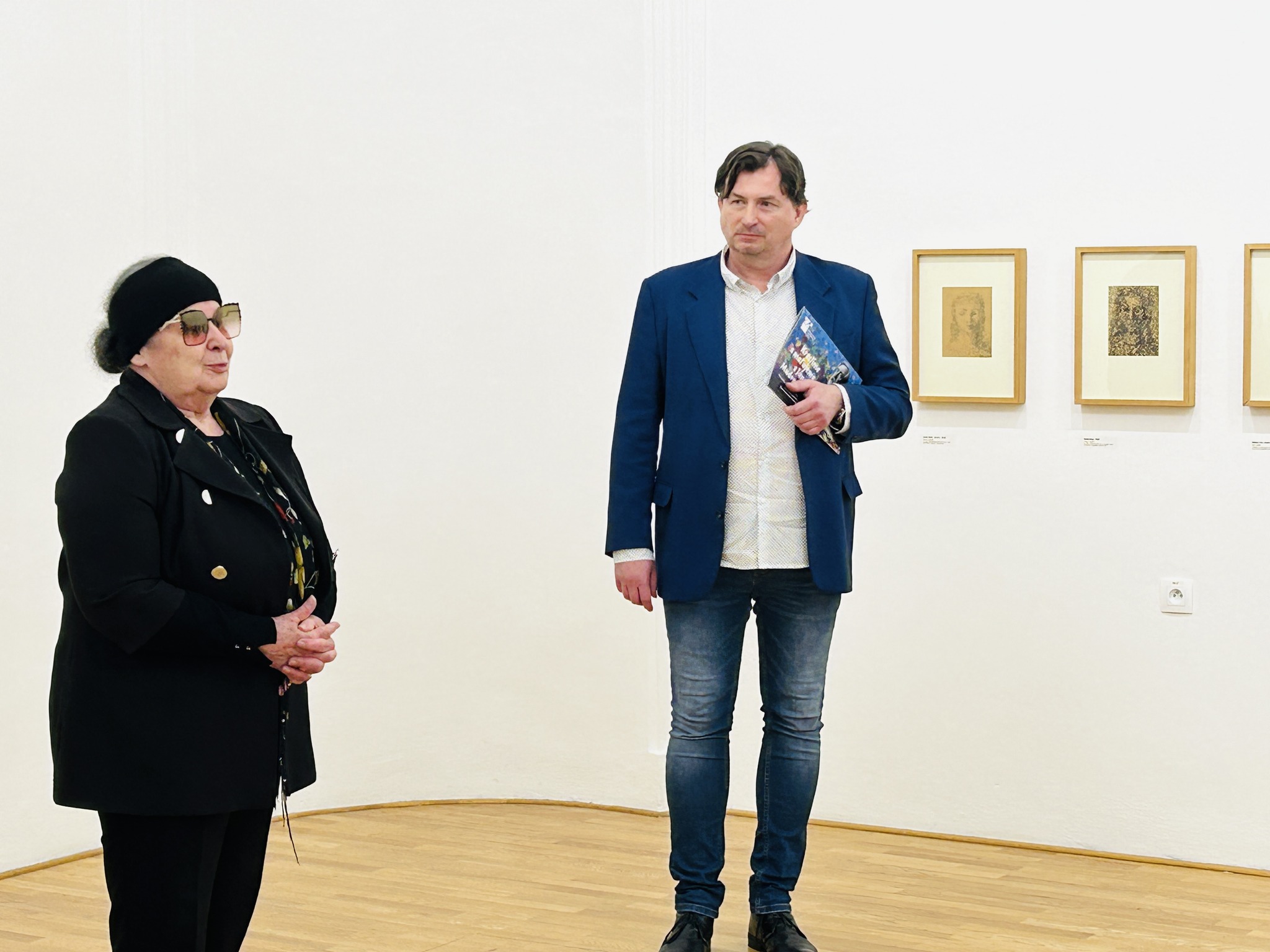
Opening remarks: Prof. Ľudovít Hološka, academic painter
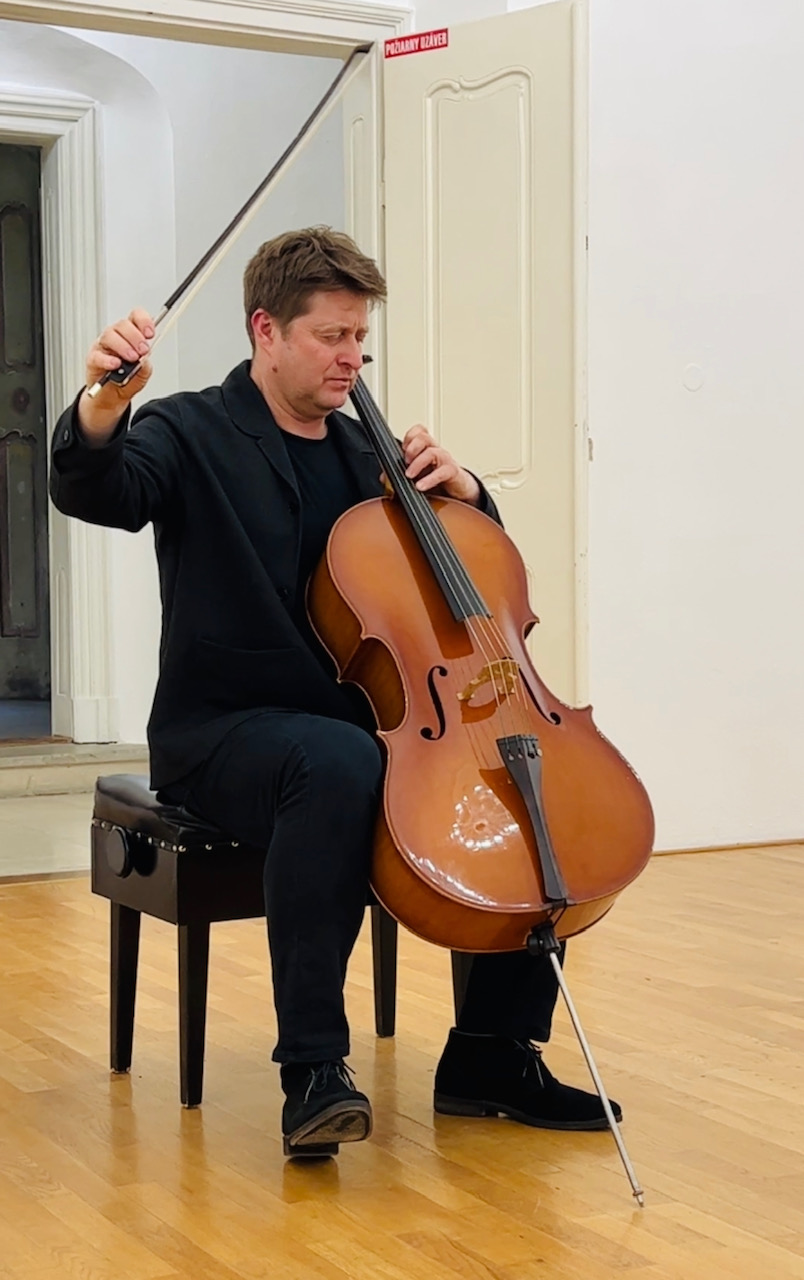
Musical guest at the opening: Andrea Bálešová – piano
Duration of the exhibition: 5 December 2025 – 1 February 2026
About the exhibition
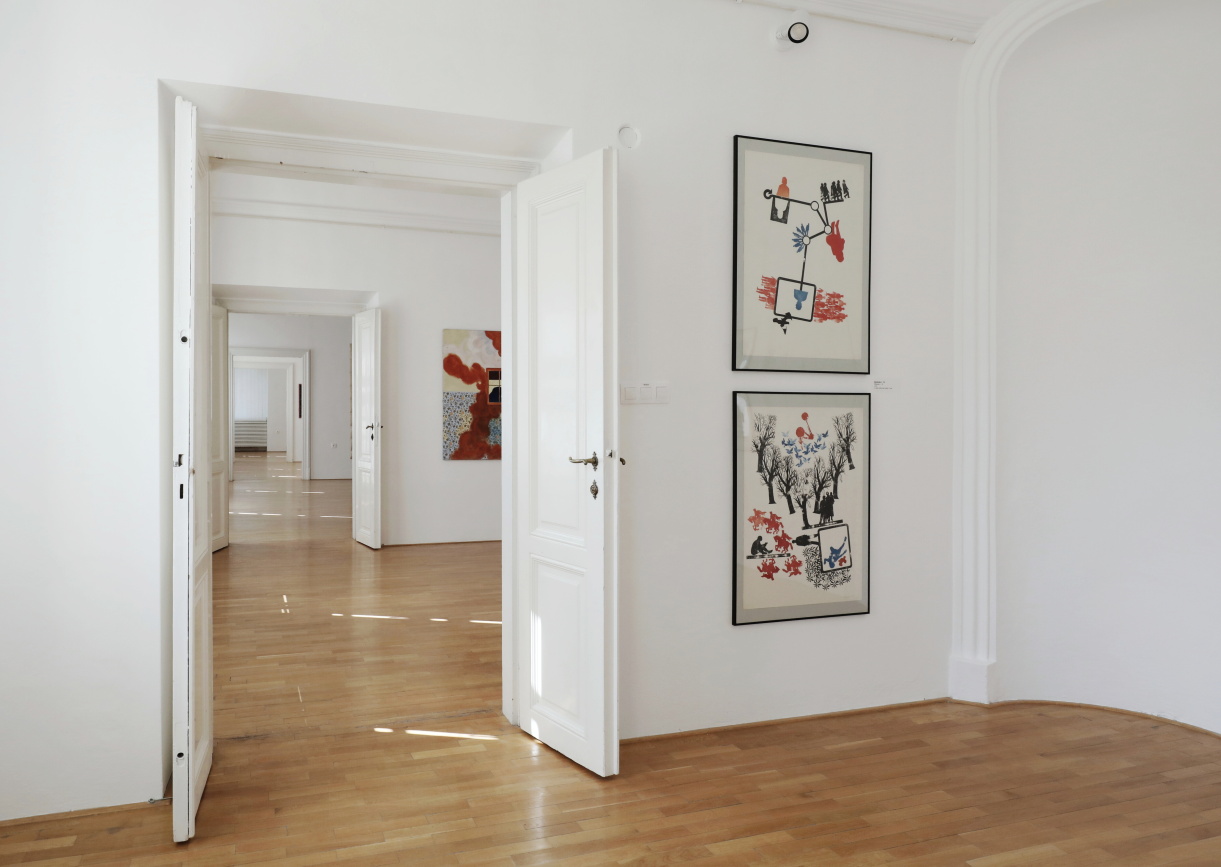
Milan Kubíček, who belongs to the generation of artists who entered the art scene at the end of the 1960s, is at once a familiar and unfamiliar figure. Already in the prologue of his artistic journey, shielding himself from political and aesthetic ideologies with a barrier of artistic authenticity, he more or less resigned from broader public presentation of his work. On the other hand, he was one of the first Slovak visual artists to respond ahead of time to Slovakia’s entry into the EU—already in January 2004—with an exhibition symbolically titled The Gate, held at the town hall of Mödling near Vienna.
Kubíček was trained in the studio of monumental painting and tapestry, yet very soon redirected his artistic aims toward a different domain—his monumental works form only a small, primarily introductory episode in his oeuvre. The core of his artistic program concentrated on intimate abstract painting and drawing, a position he uncompromisingly defended both against official socialist art and the fashionable currents of contemporary art. This decision contributed significantly to his inwardness and partial artistic isolation. A degree of freedom within his nonconformist personal strategies was enabled largely by his relative financial independence, built on lifelong work as an art educator.
One of the fundamental conceptual spheres, through which Kubíček’s painterly and drawing work resonates, is the project of mastering a central theme he himself termed the organic-mechanical world. In his terminology, this means the process by which organic qualities—the original principles of existence, order, and the laws of the universe, Earth, life, humanity, and ultimately of the artist’s own inner, immaterial, abstract, and logical subject—grow into the mechanical, that is, the external environment where this ideological platform of existence assumes a concrete form and real shape.
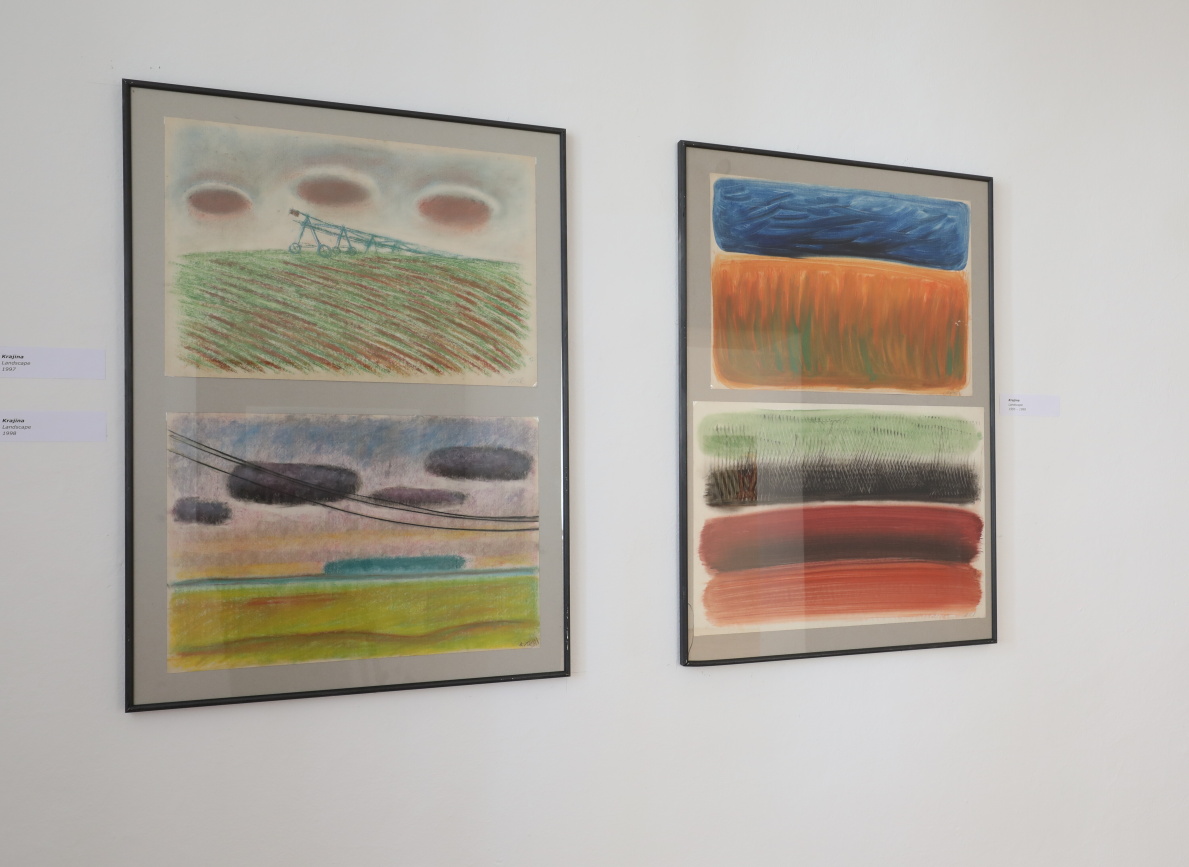
He laid the basic foundation of his program already in the late 1960s, boldly aiming to connect with the current European art scene. From the beginning, he gravitated toward non-figurative representation and abstraction. Kubíček’s projection of abstract expression—the organic-mechanical world—was often supported, especially early on, by distant echoes of an initial sensual experience, incorporating elements of encrypted reality, even something as seemingly banal as the visual or emotional impression of a landscape. This hidden or open meaningfulness—an intentional transformation of subjective qualities rooted in objective reality—became, in the artist’s formulation, a constructive-intuitive play with artistic and material elements aimed at creating a new authentic reality based on ethical (emotional) and aesthetic definition. The painting became a concentrated
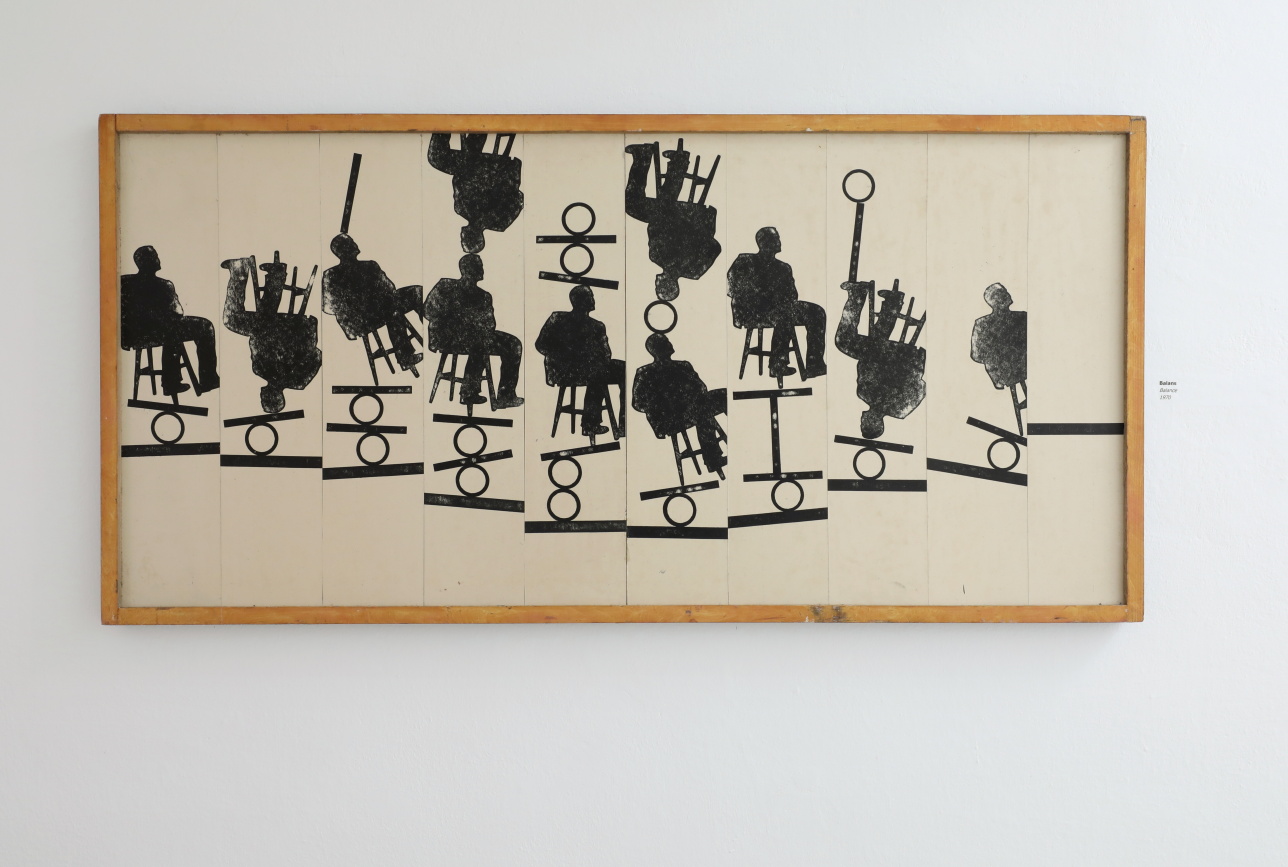
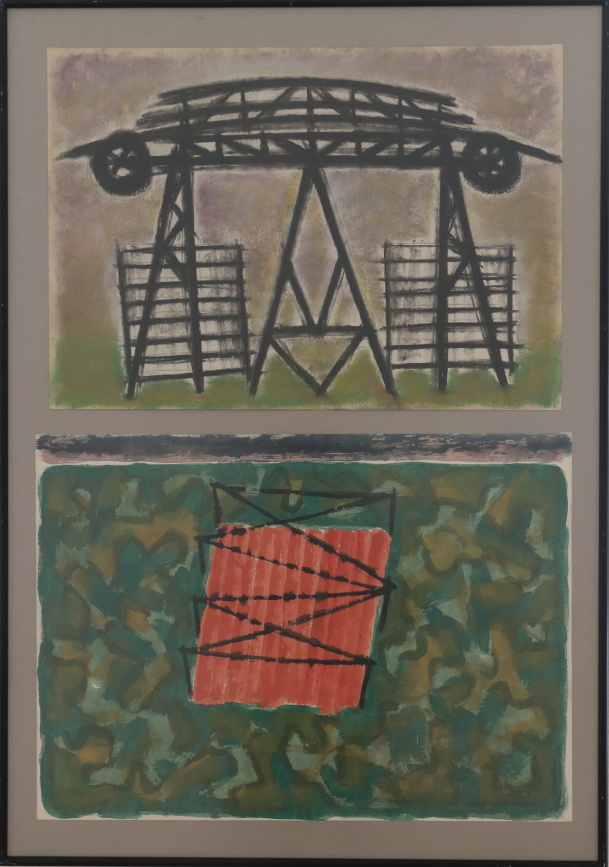
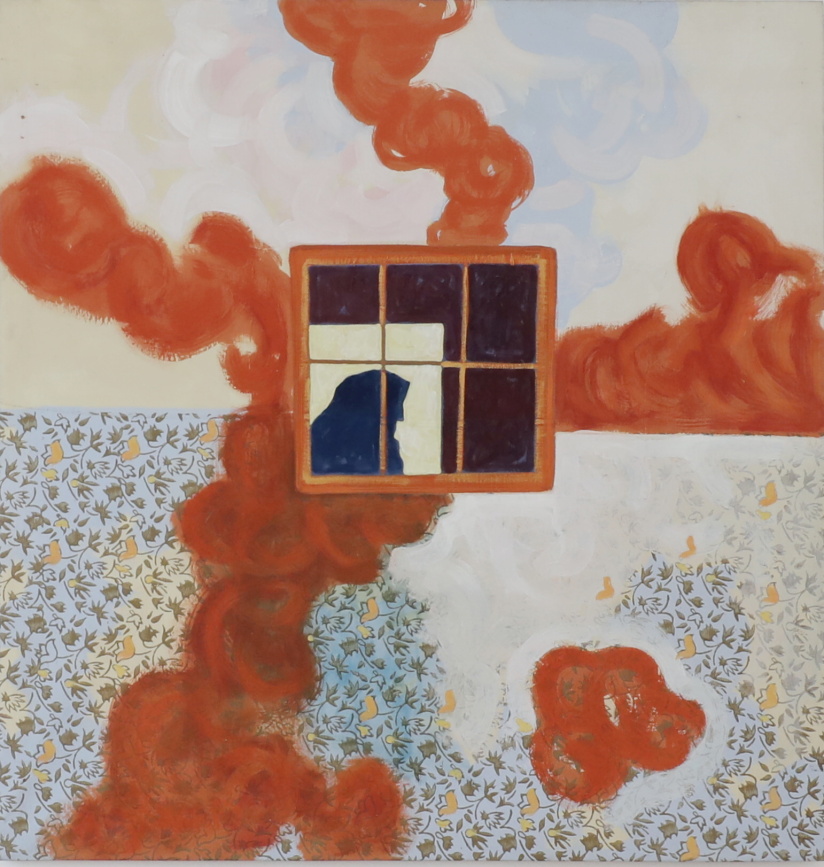
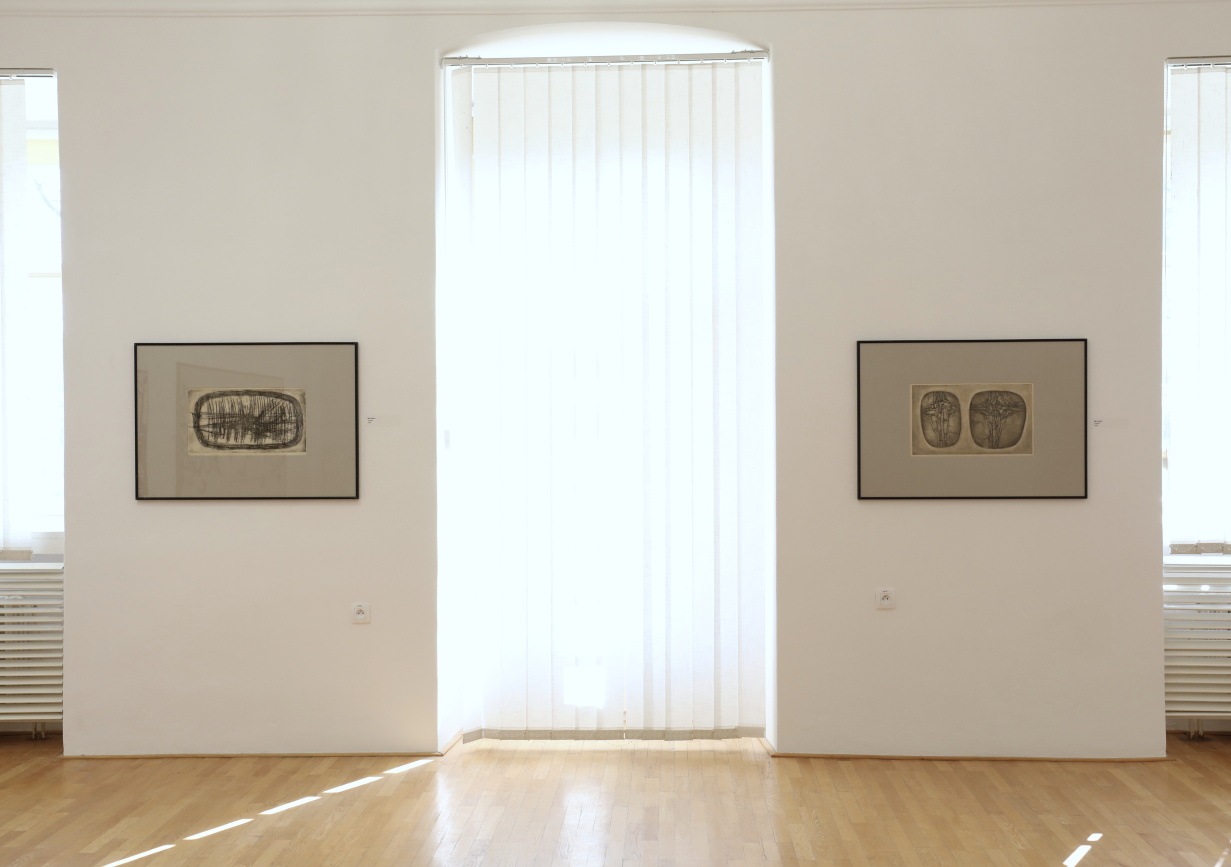
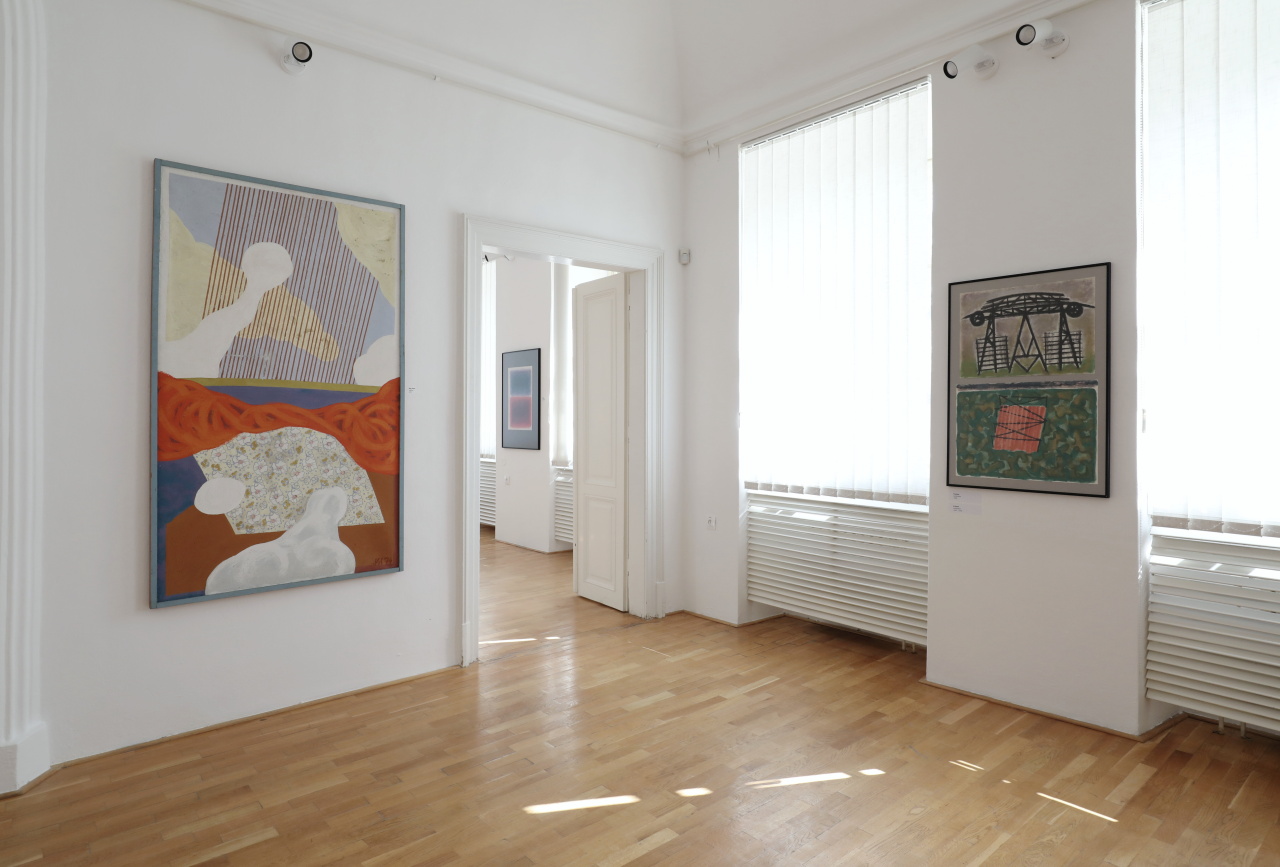
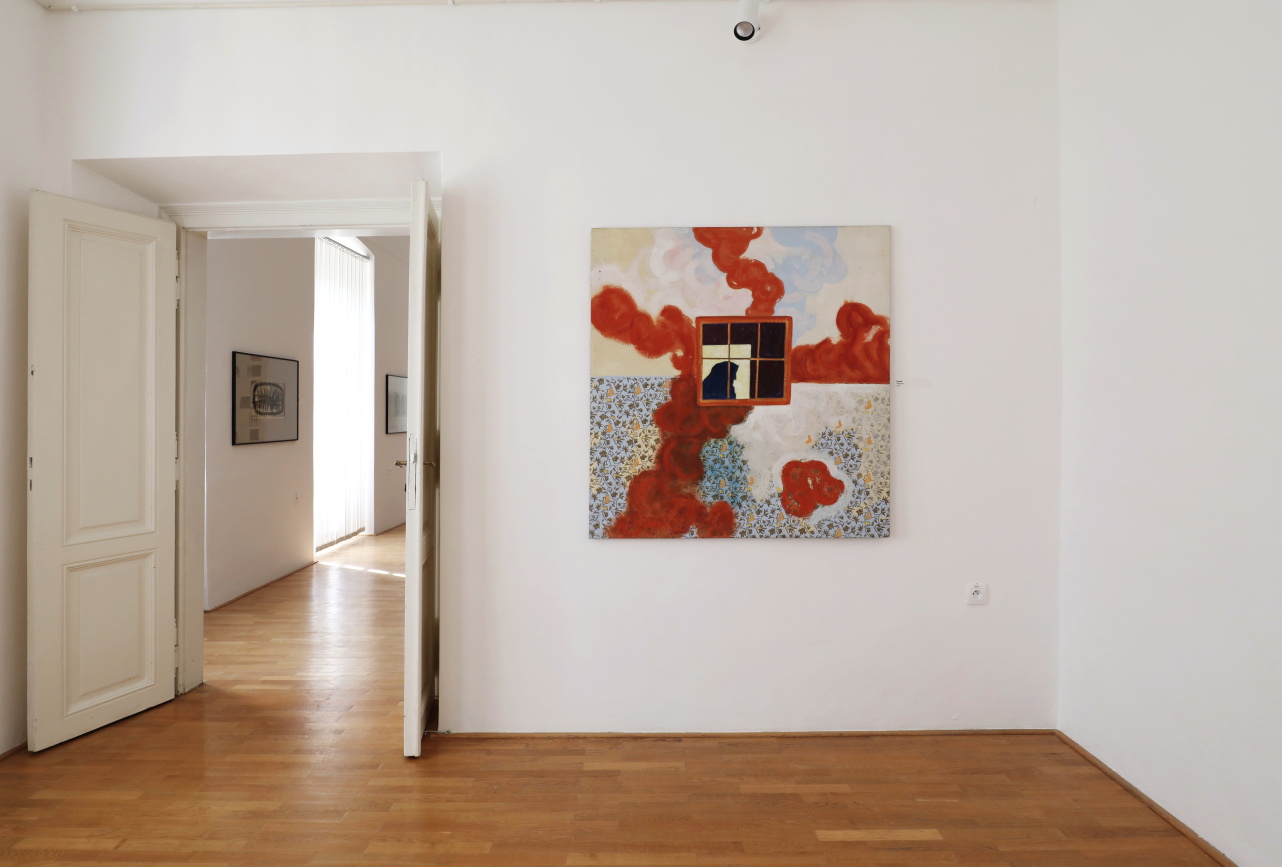
visualization of the artist’s innermost, intimate encounters with life, the world, and his own art in a polyphony of perception, visual experience, but above all, feeling and imagination. Kubíček’s creative play, in which the personal dimension was paramount, was always guided by the canon of reduction and minimalism. His two-dimensional pictorial compositions may be described as a kind of arche-painting: in a restrained mode, color masses, amorphous and geometric shapes coexist or oppose one another, unified and divided by a bold linear trace.
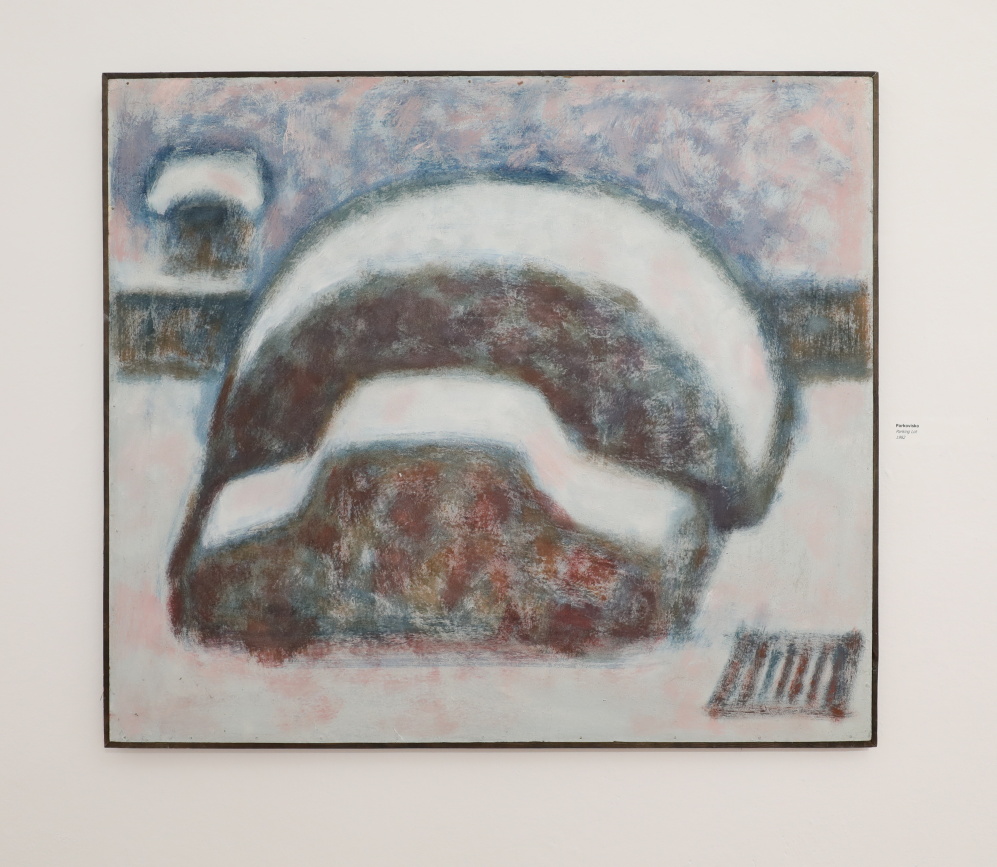
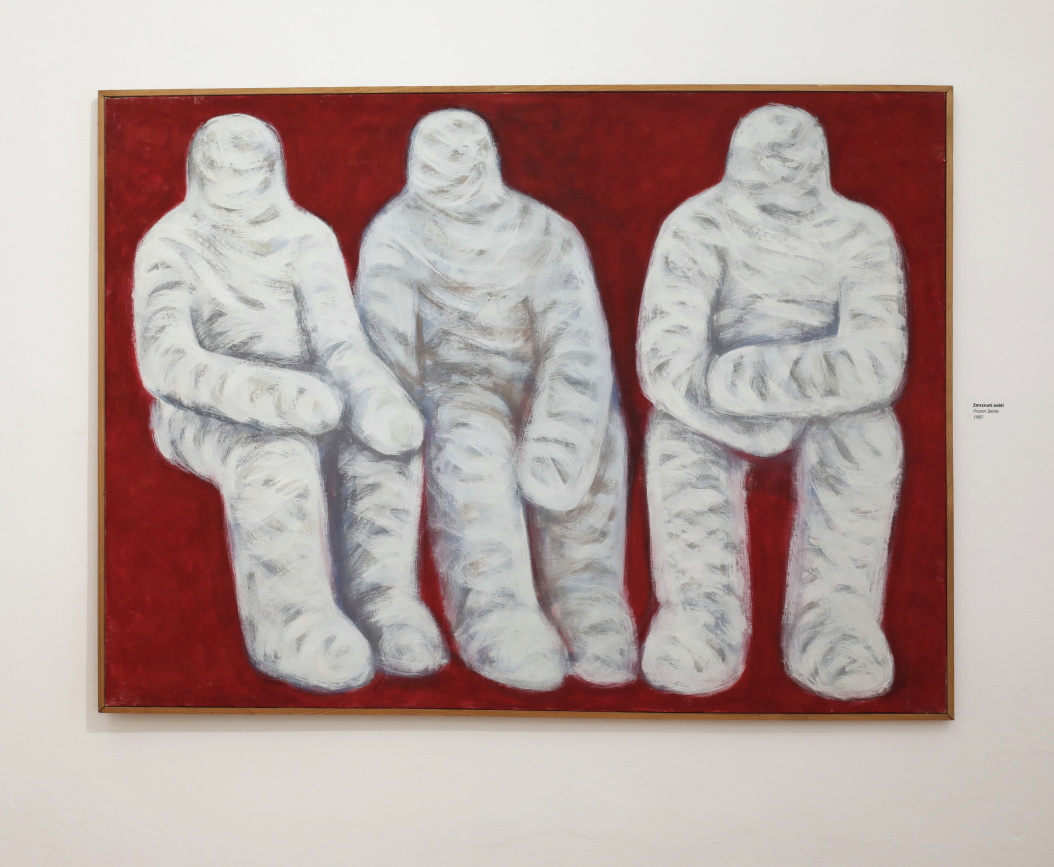
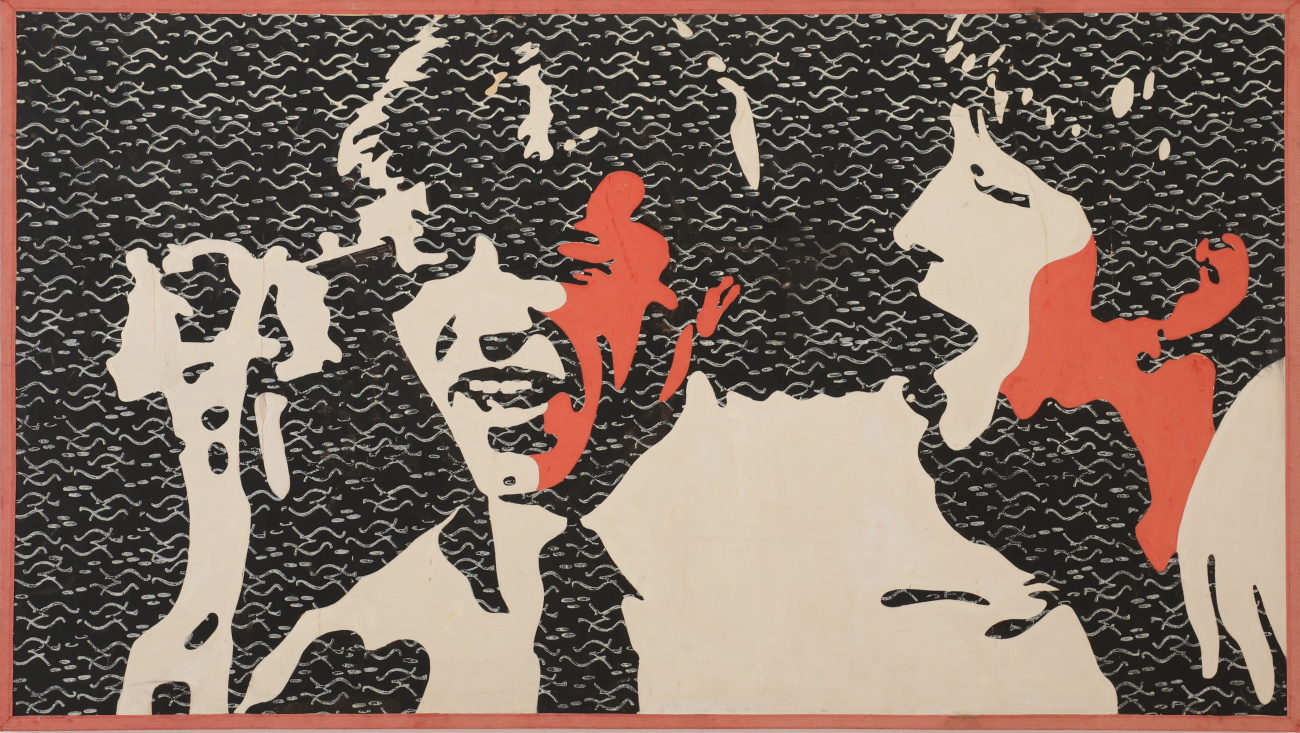
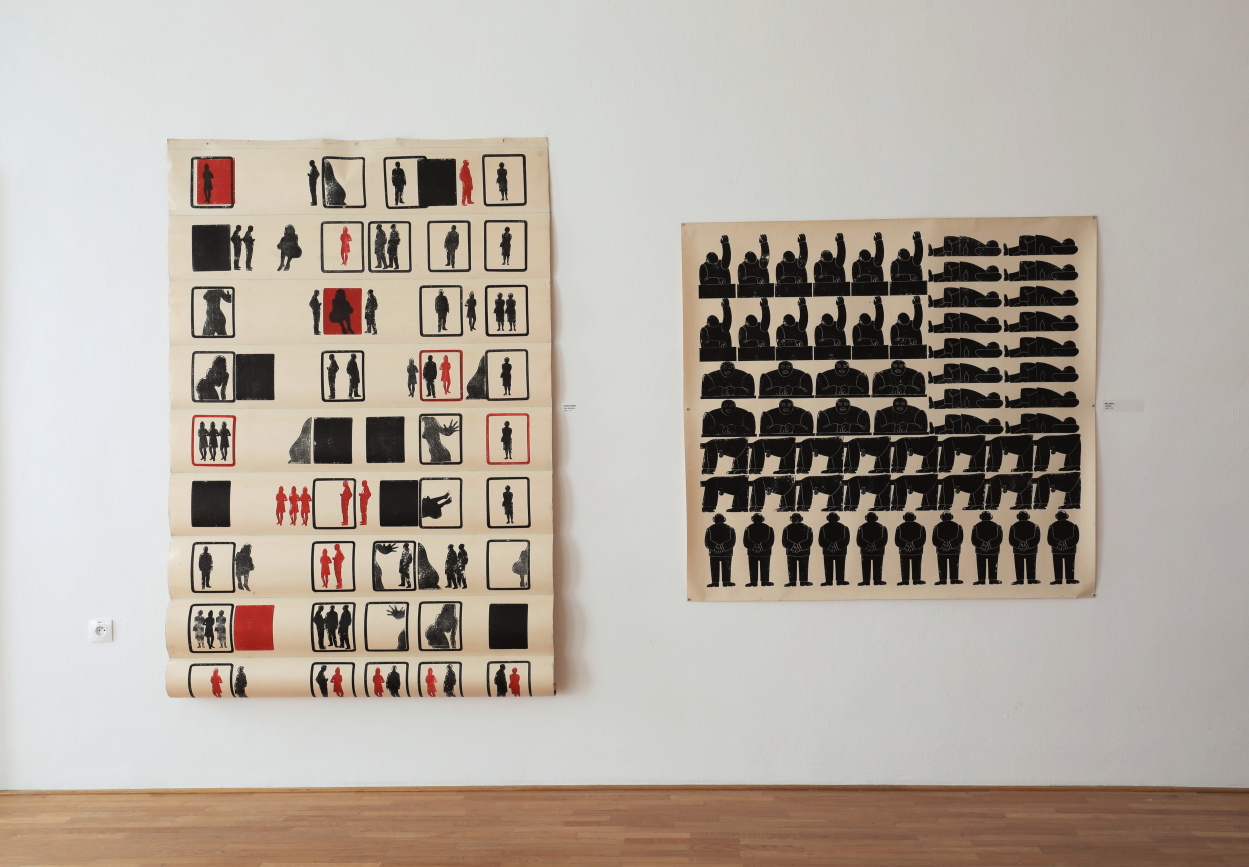
Kubíček’s work cannot be described as a continuous spiral. On the contrary, it is marked by a differentiated, wide-ranging approach, constant movement, and new reflective probes. At its core, he approached abstraction in a distinctive, non-homogeneous, even eclectic synthetic form. From its layered stories and shapes, he spontaneously selected various tendencies and details, integrating them into a unified, original field of personal exploration. At times he emphasized structural, expressive, or lyrical abstraction; at other times, elements of gestural painting, playfulness, or psychic automatism. From the early 1970s to the late 1980s, his works were formed with a 3D and pop-art sensibility, including series of collages, assemblages, and frottages. The final decade of the 20th century saw Kubíček’s interest in synthesizing planar abstract painting with spatial objects and installation.
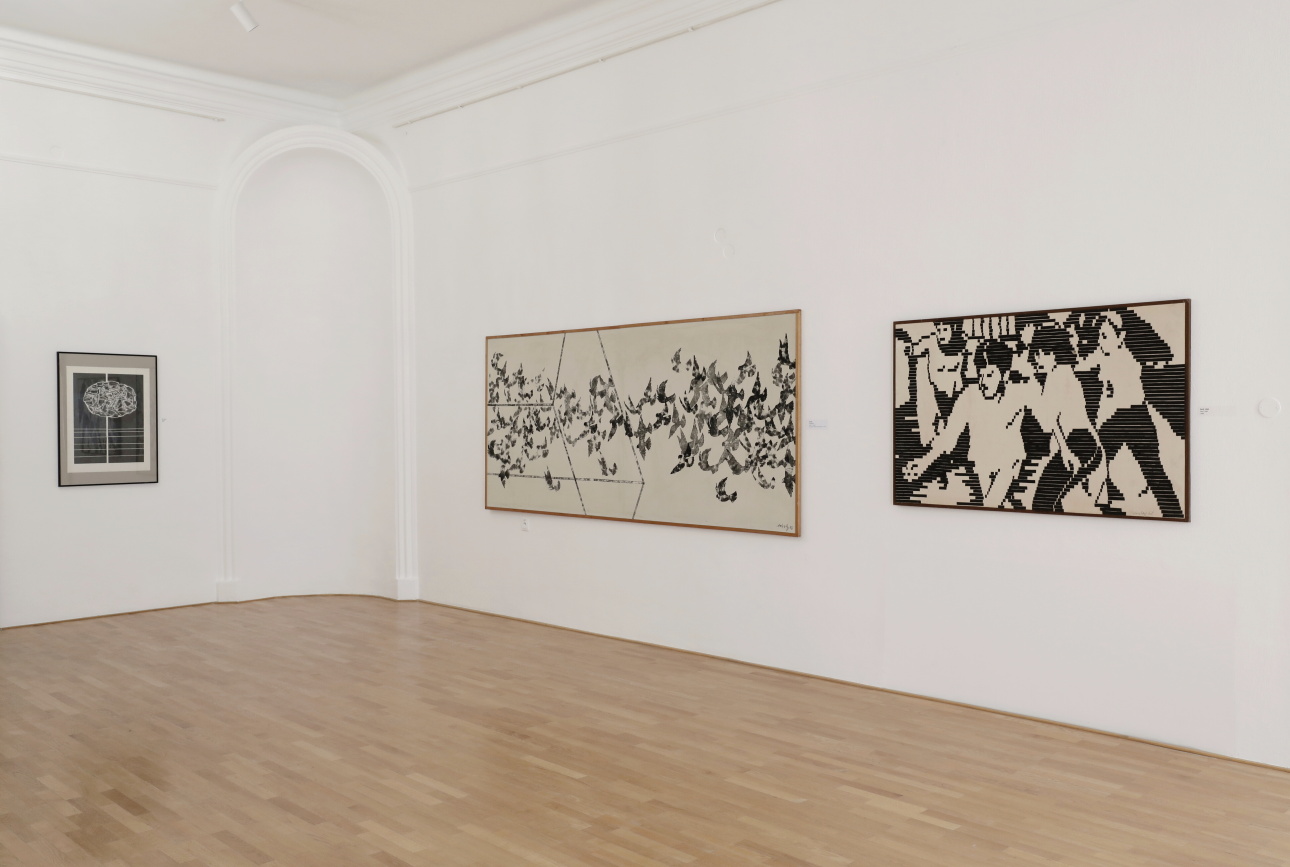
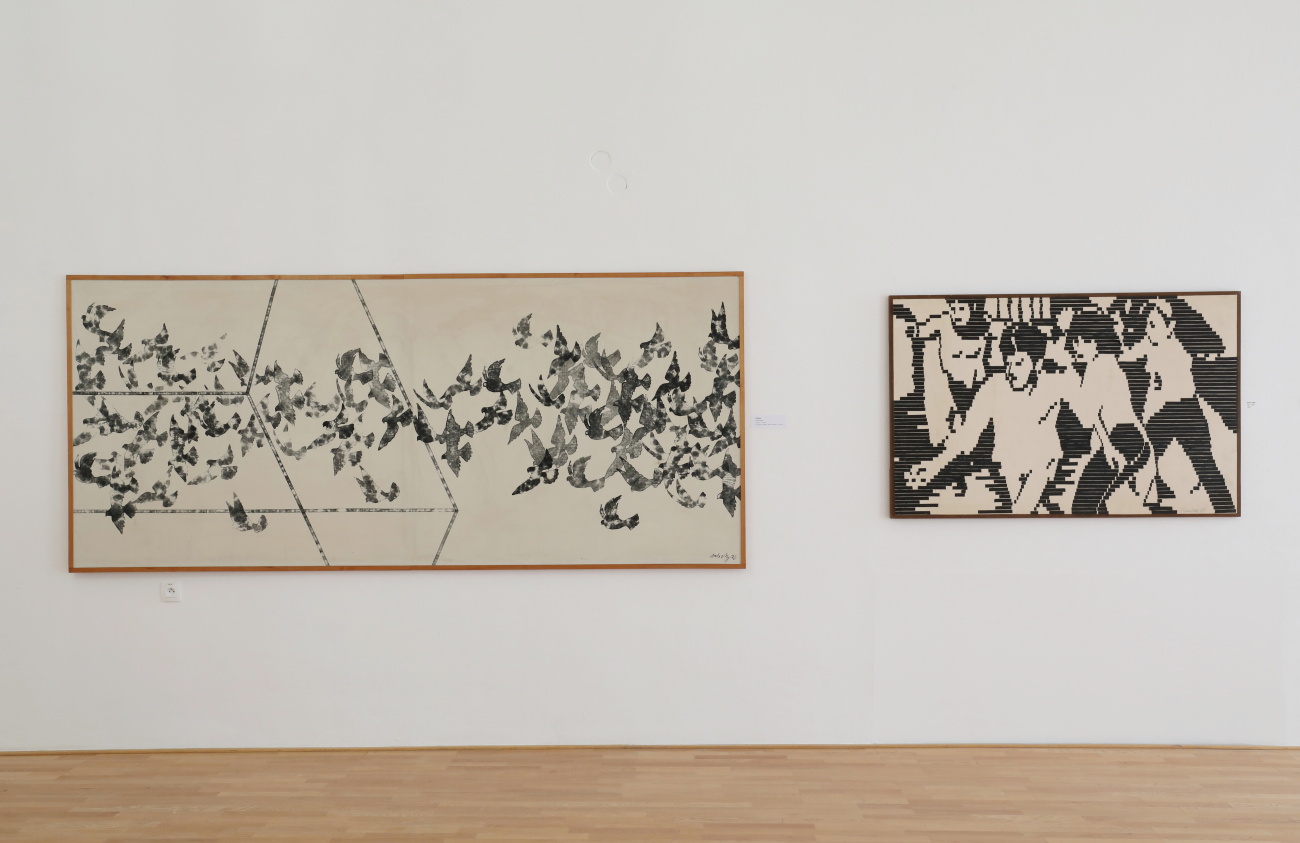
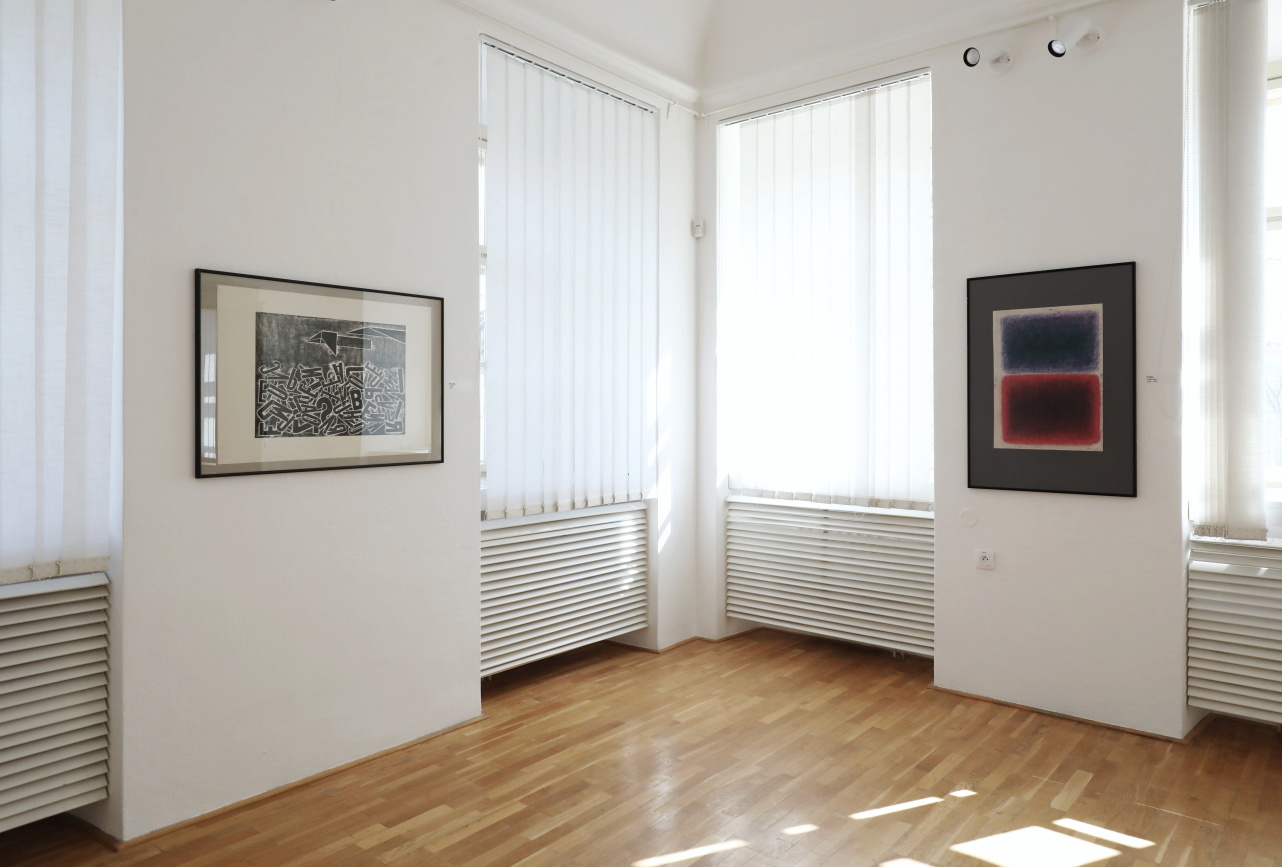
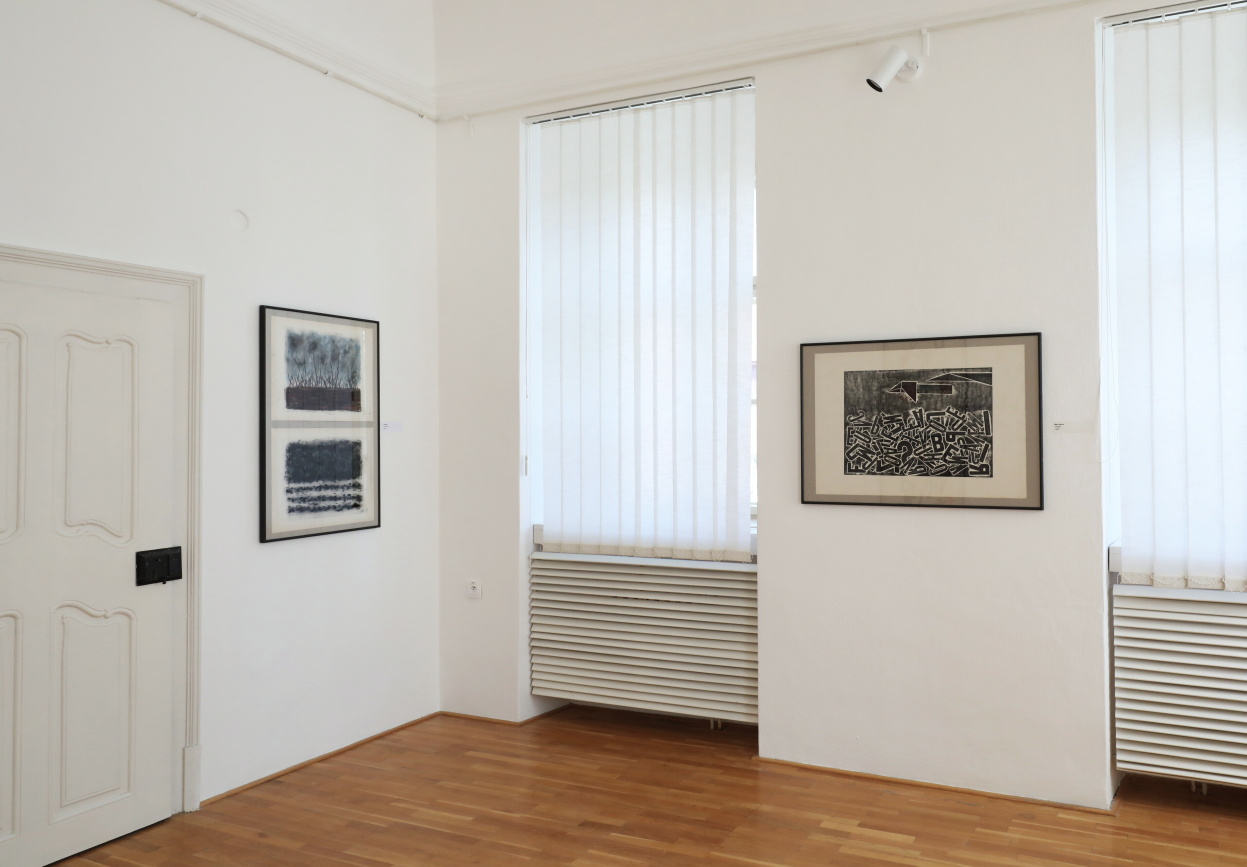
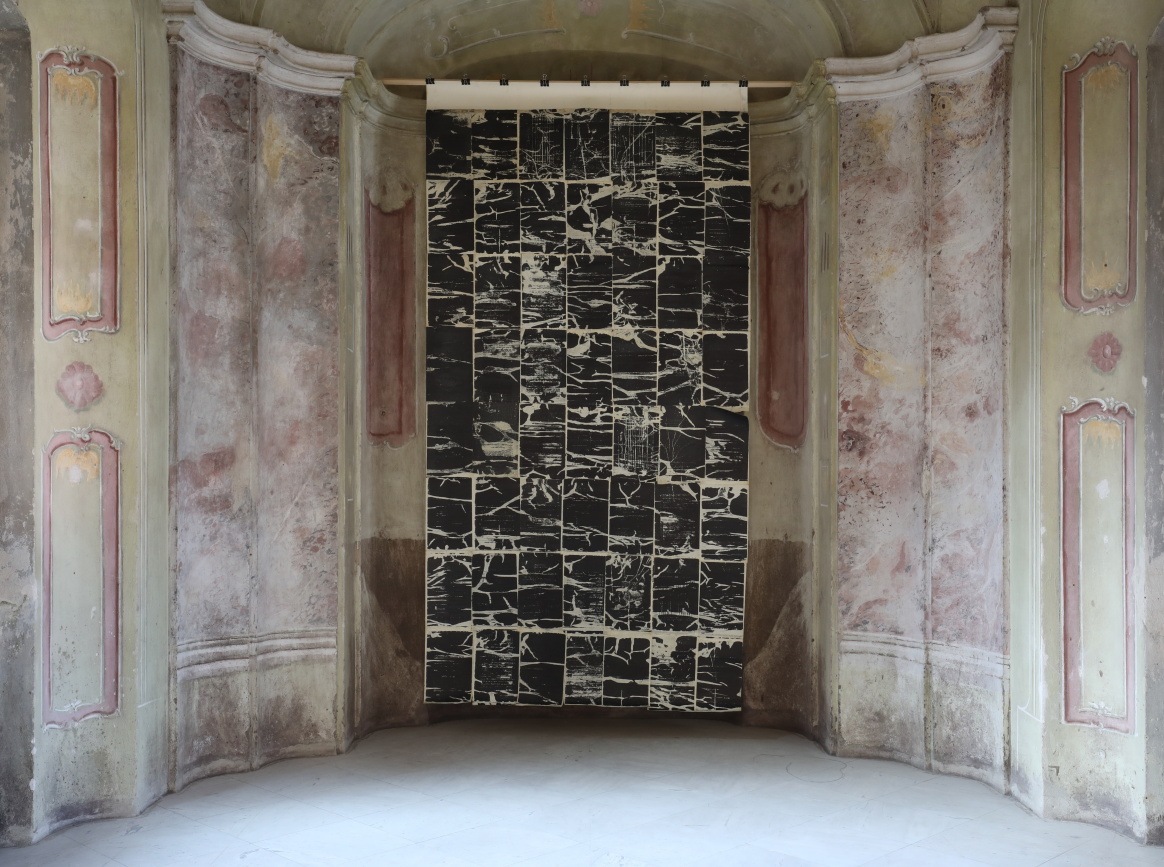
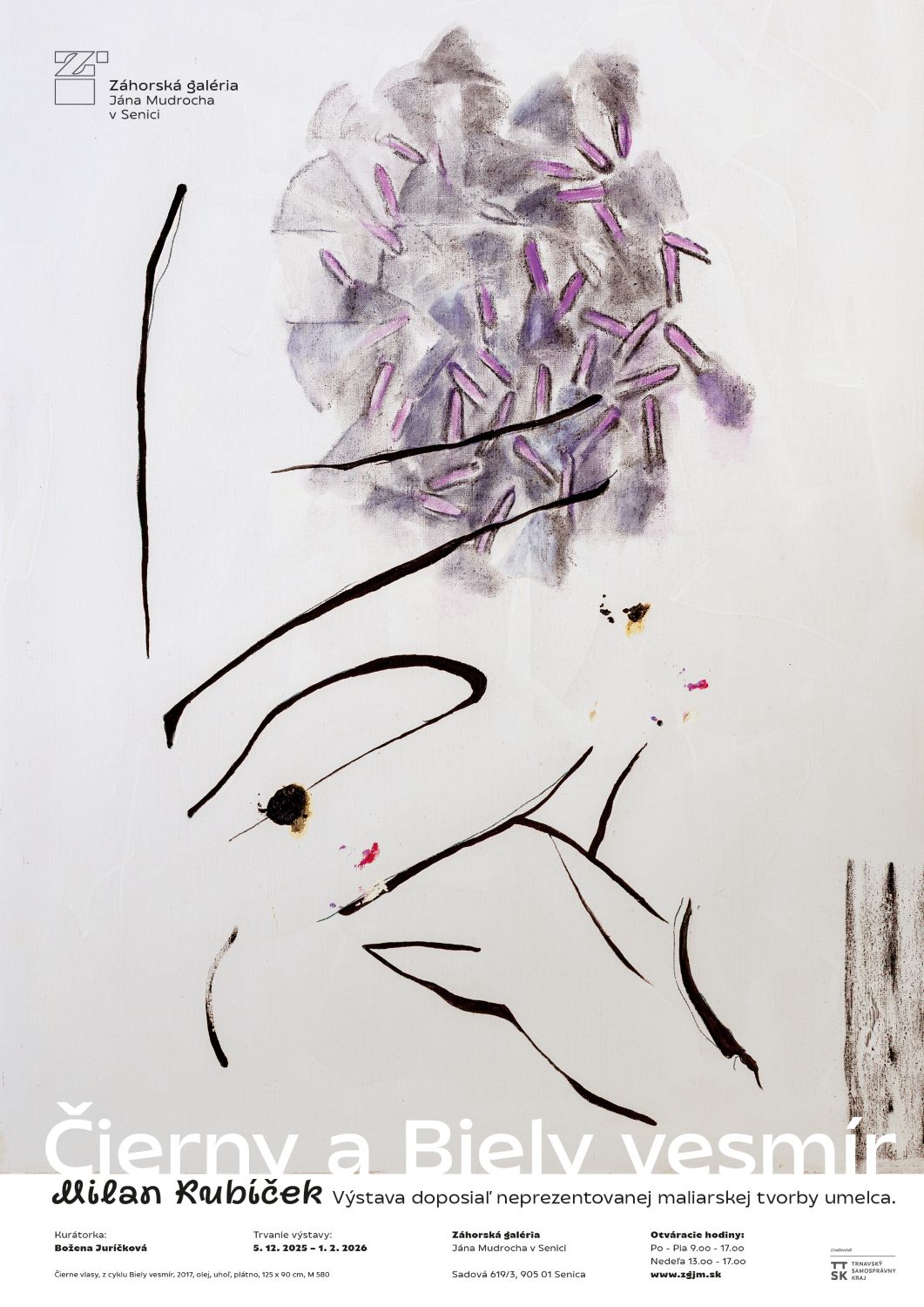
The unexpected concluding phase of his work, emerging at the turn of the millennium, crystallized into a lyrically driven collection of line-accented painterly reflections with a distinctive calligraphic tone. Between 2016 and 2018, two extensive painting cycles were created: The White Universe and Images from the Other World (working title: The Black Universe). They are interwoven with deep inner, almost mystical intimacy, inspired by the artist’s thought: “Inside each of us lies an inner universe.” Their minimalist yet dynamic visual articulation relies primarily on spontaneous, urgent gesture and the polarity of black and white. A selection from these final abstract sets (untitled, listed only by number, a total of 57 oil paintings on canvas) was donated by Kubíček in 2019 to the collection of the Záhorská Gallery of Ján Mudroch in Senica as a gesture of recognition for the gallery’s pioneering and repeated presentation of his free work. Both concluding cycles are being presented publicly for the first time at this exhibition, also in the context of the artist’s recent life anniversaries (what would have been his 80th birthday in 2024, and the 5th anniversary of his passing in 2025).
Božena Juríčková
About the artist
Academic painter Milan Kubíček (*1944 Bratislava – †2020 Skalica), active alternately in Stupava and Bratislava, studied from 1958–1962 at the Department of Display Design at the School of Applied Arts in Bratislava (Prof. Rudolf Fila, Fridrich Moravčík). Between 1963–1969 he continued his studies at the Academy of Fine Arts and Design in Bratislava in the Studio of Monumental Painting and Tapestry under Prof. Peter Matejka. For his diploma thesis he received the Graduate Prize of the Academy Council in the field of integration of architecture and fine art in environmental design. He was a founding member of the art association Art Club 60+8 (1990), through which he also exhibited his work. His multifaceted artistic program encompassed intimate painting, assemblage, frottage, collage, free drawing, monumental works, tapestry, 3D painterly objects, and installation. Alongside his own creative work, from 1973 until his retirement in 2007 he taught at an elementary art school in Bratislava. Outside the arts, he was active in numerous initiatives focused on the history of Stupava and the protection of its cultural monuments.
The works of Milan Kubíček are represented in the collections of the Slovak National Gallery in Bratislava, the Záhorie Gallery of Ján Mudroch in Senica, the Gallery of the City of Strumica (North Macedonia), the town hall of Mödling (Austria), and in private collections in Slovakia, Italy, Germany, Austria, Poland, Canada, and the USA.
Ján Mudroch
Ján Mudroch
– narodil sa 28. marca 1909 v obci Sotina (dnes mestská časť Senice),
– bol najstarší zo siedmich súrodencov, štyroch chlapcov a troch dievčat,
– otec Pavol Mudroch bol pôvodne kožušník a z najstaršieho syna chcel mať úradníka,
– prvé zoznámenie sa s výtvarným umením absolvoval v roku 1926 v súkromnej maliarskej škole Gustáva Mallého v Bratislave,
– v rokoch 1930 – 1931 študoval na Umeleckopriemyselnej škole v Prahe na vlastné náklady, bez finančnej podpory rodičov, u profesora Arnošta Hofbauera,
– v rokoch 1931 – 1937 študoval na Akadémii výtvarných umení u profesora Willyho Nowaka,
– v roku 1932 sa oženil s Helenou Hajdušíkovou,
– po skončení štúdií v Prahe sa vrátil na Slovensko do Šurian, kde sa medzičasom presťahovala jeho rodina a pedagogicky tam pôsobila i jeho manželka,
– po okupácii Šurian v roku 1938 natrvalo zakotvil v Bratislave, kde pedagogicky pôsobil na rôznych umeleckých školách,
– 1938 – pôsobenie v Bratislave na Škole umeleckých remesiel
– v roku 1939 začal pedagogicky pôsobiť na novoutvorenom Oddelení kreslenia a maľovania Slovenskej vysokej školy technickej; o dva roky neskôr (1941) však pre svoj pokrokový a protifašistický postoj musel post opustiť. Na protest s ním odišli zo školy študenti – neskôr významní maliari – O. Dubay, V. Chmel, E. Semian, J. Šturdík, J. Novák.
– v roku 1945, na konci vojny počas prechodu frontu, sa usídlil v Senici, kde bolo pri bombardovaní mesta zničených niekoľko stoviek jeho obrazov,
– po skončení vojny naplno rozvinul rozsiahle spoločenské a kultúrno-organizačné aktivity: podieľal sa na založení výtvarného združenia s názvom Skupina 29. augusta (1945), organizoval výstavy, inicioval založenie odborného časopisu Kultúrny život, stal sa predsedom výtvarného spolku Umelecká beseda slovenská (1947), pripravoval založenie Slovenskej národnej galérie (1948) aj Slovenskej filharmónie (1949),
– v roku 1949 sa stal jedným zo zakladateľov novovzniknutej Vysokej školy výtvarných umení v Bratislave a zároveň jej prvým rektorom (1949 – 1952),
– do roku 1968 viedol Oddelenie portrétneho a kompozičného maliarstva na VŠVU v Bratislave,
– Senicu naposledy navštívil s manželkou Helenou v roku 1966, dva roky pred smrťou,
– zomrel 4. februára 1968 po krátkej chorobe v Bratislave, kde je aj pochovaný.
Ján Mudroch bol jedným z najvýraznejších predstaviteľov generácie umelcov nazývaných podľa roku narodenia – Generácia 1909. Jeho tvorbu definuje nikdy nekončiaci zápas o hľadanie novej formy, nového aktuálneho maliarskeho názoru, ktorý ťaží predovšetkým z hry farby a svetla, z princípov kolorizmu a v celkovej koncepcii z charakteristického poetického kánonu. Za svoju umeleckú tvorbu získal niekoľko ocenení, v roku 1963 titul zaslúžilý umelec a v roku 1968 bol vymenovaný za národného umelca in memoriam.
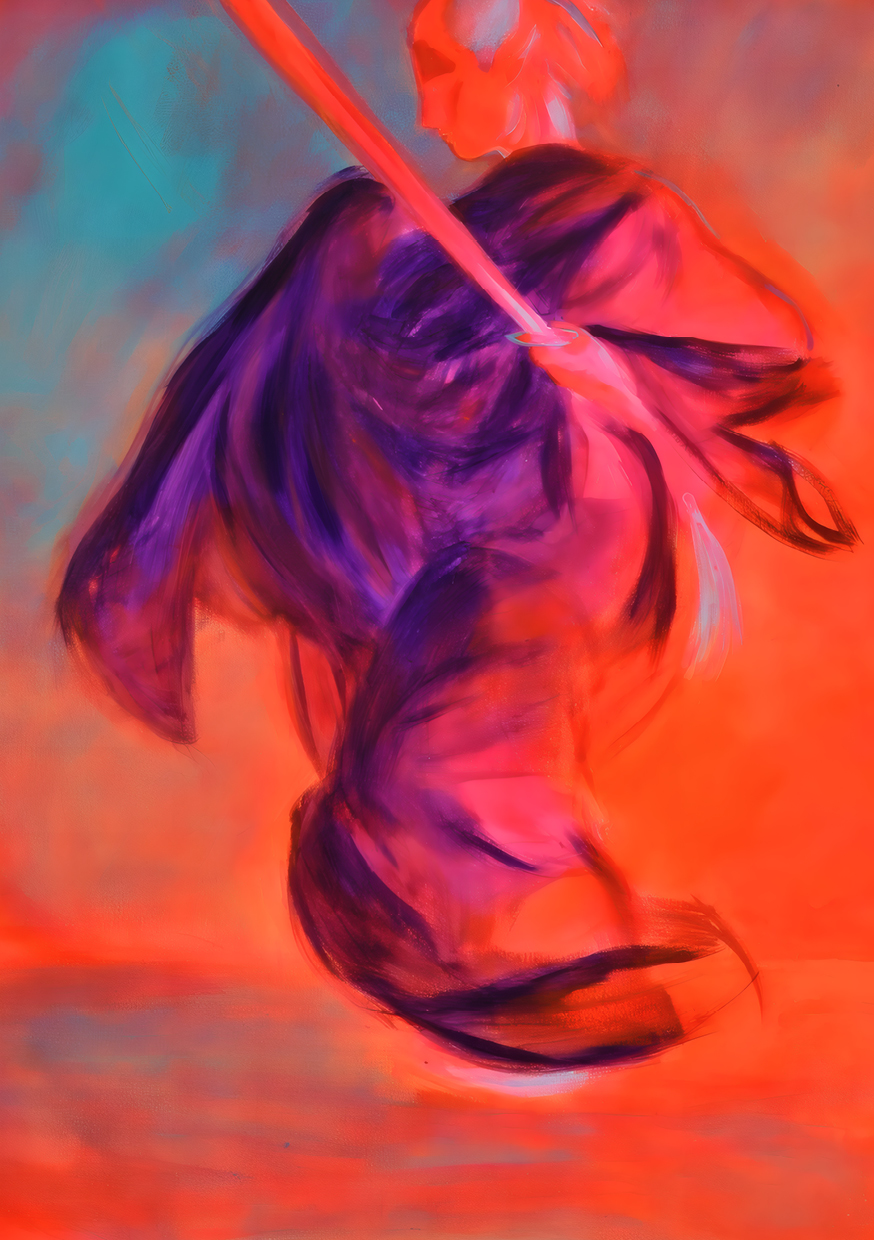
Peter Decheť: Powered by Power, 2020, olej na plátne, 75 x 100 cm
Ohlasy v médiách
Download
Vernisáž
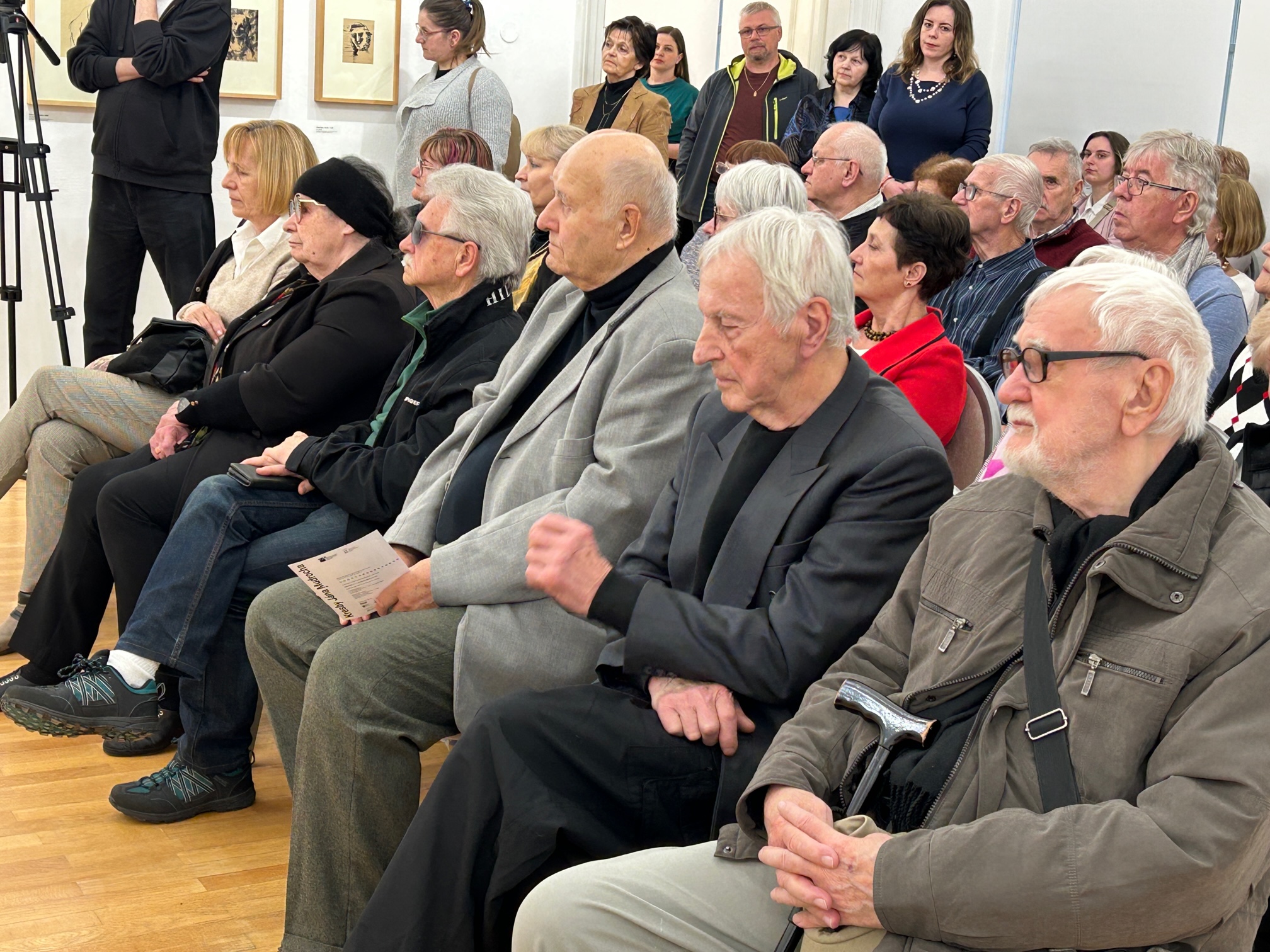
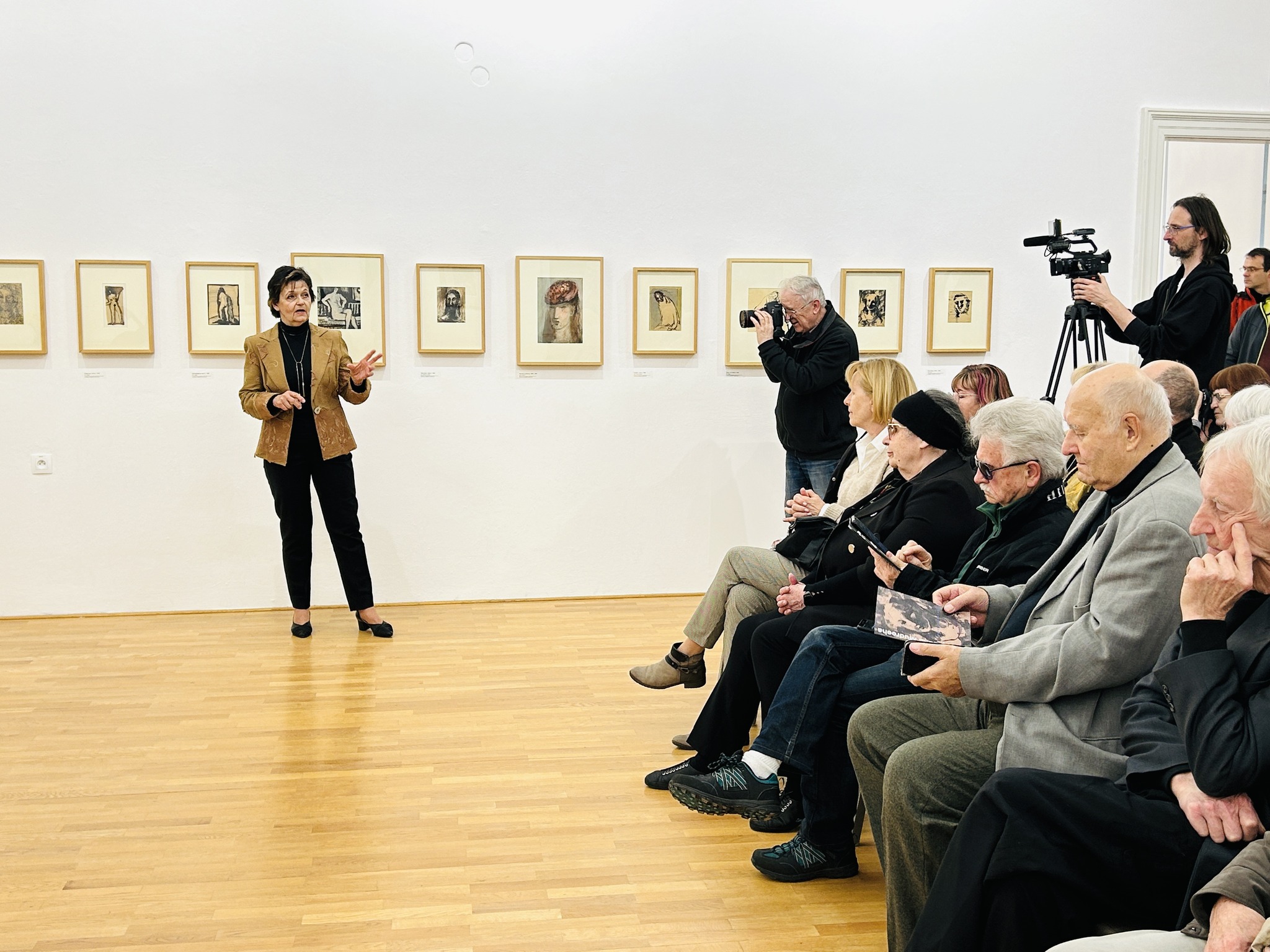
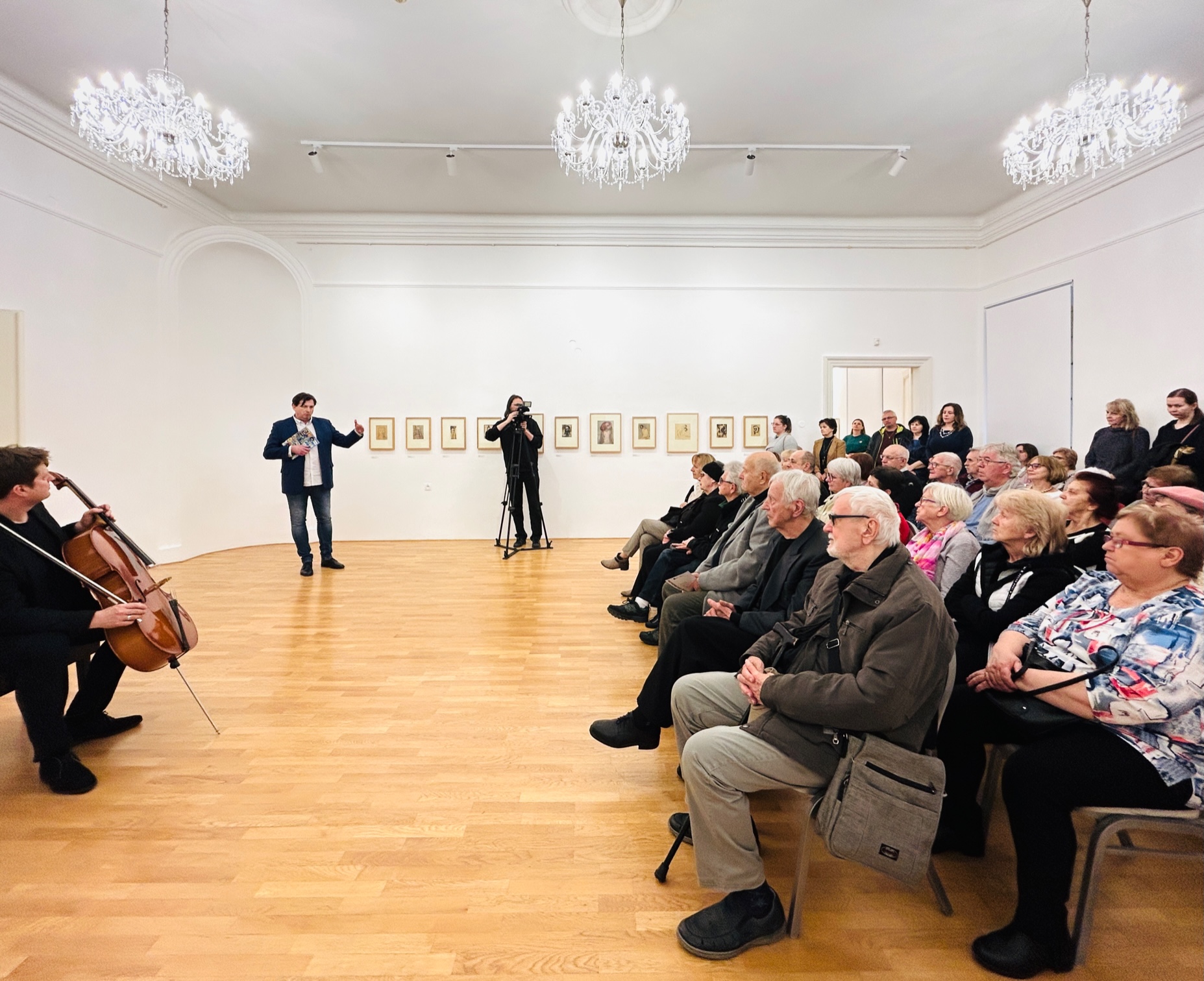
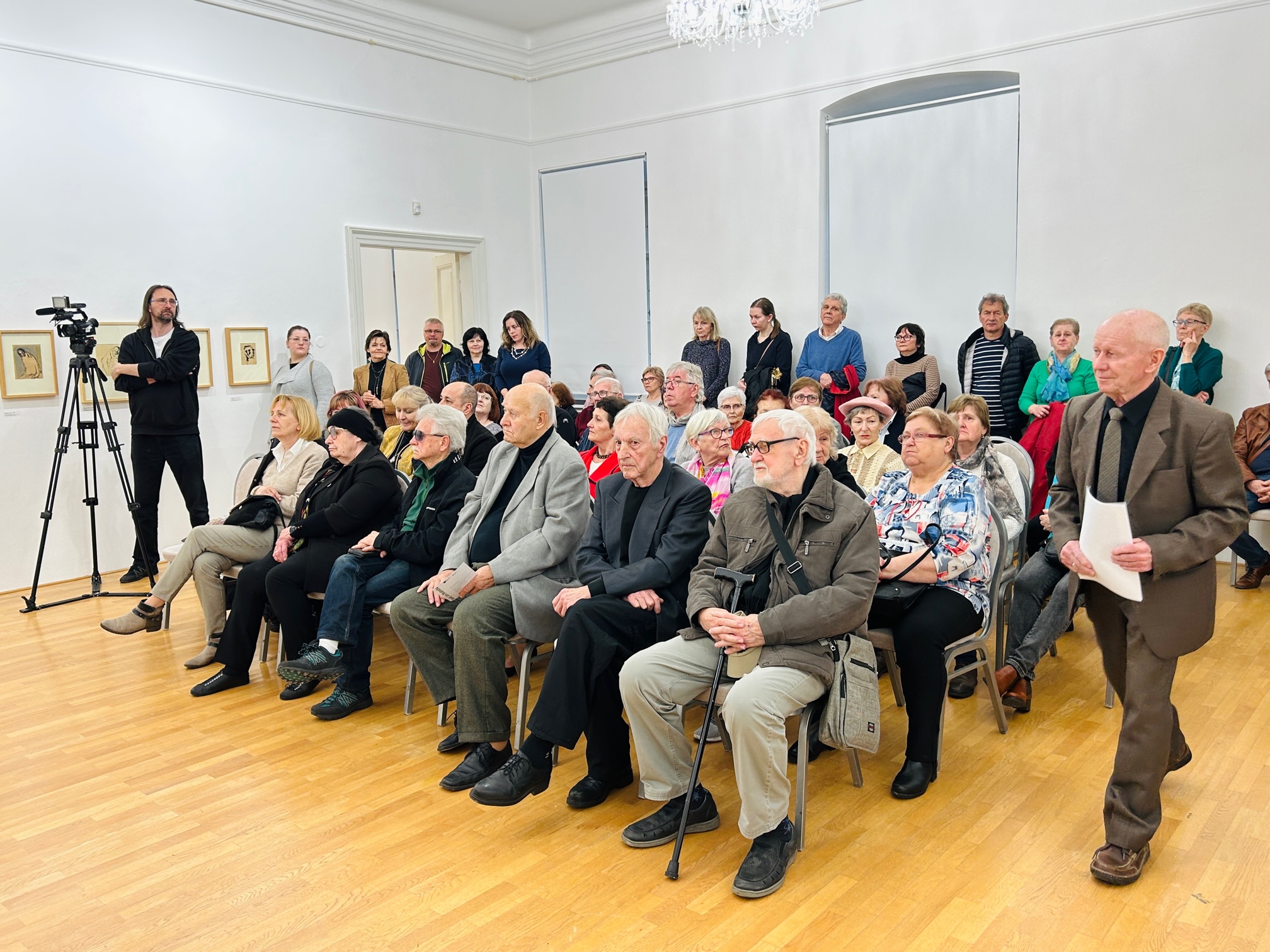
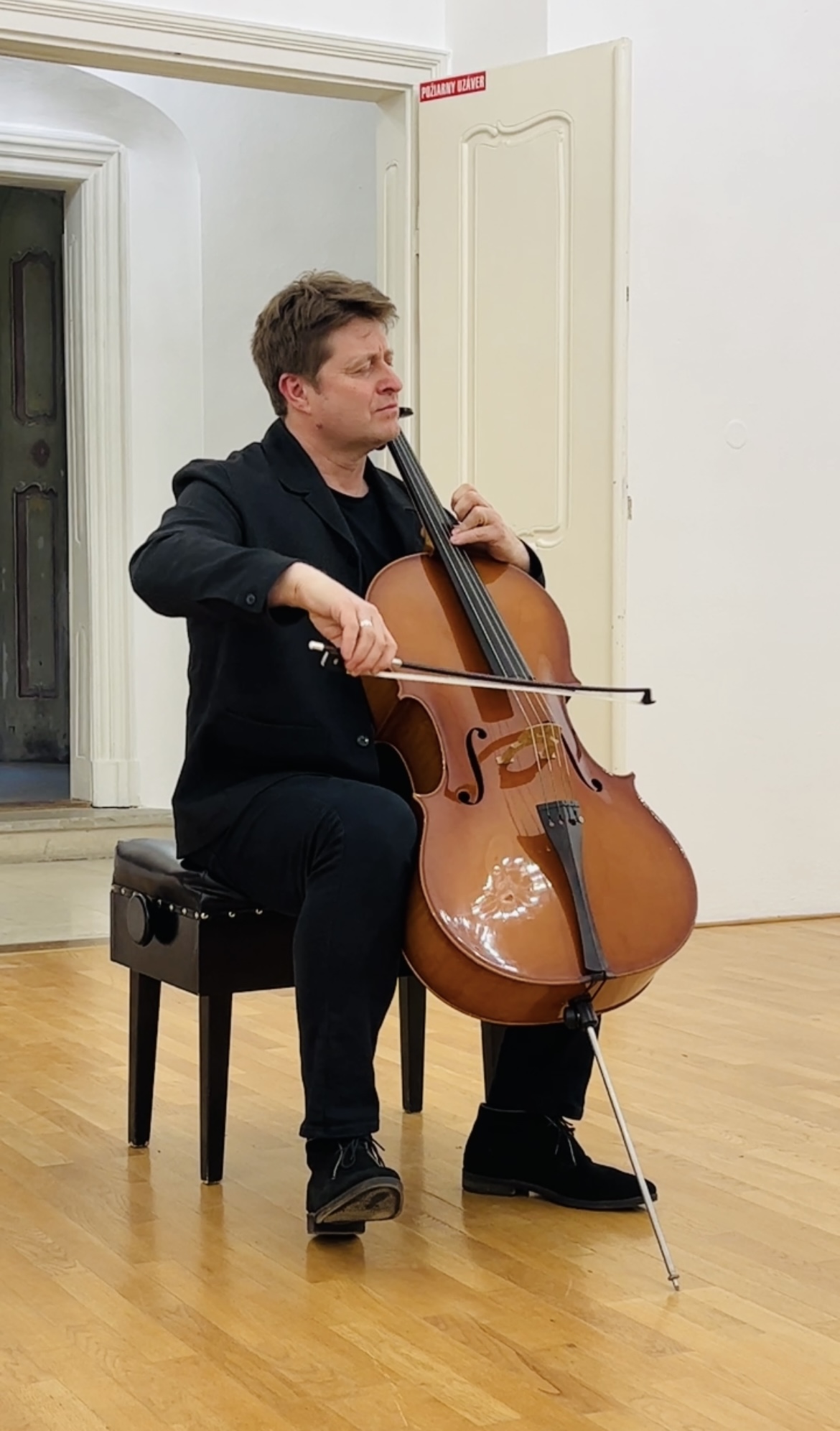
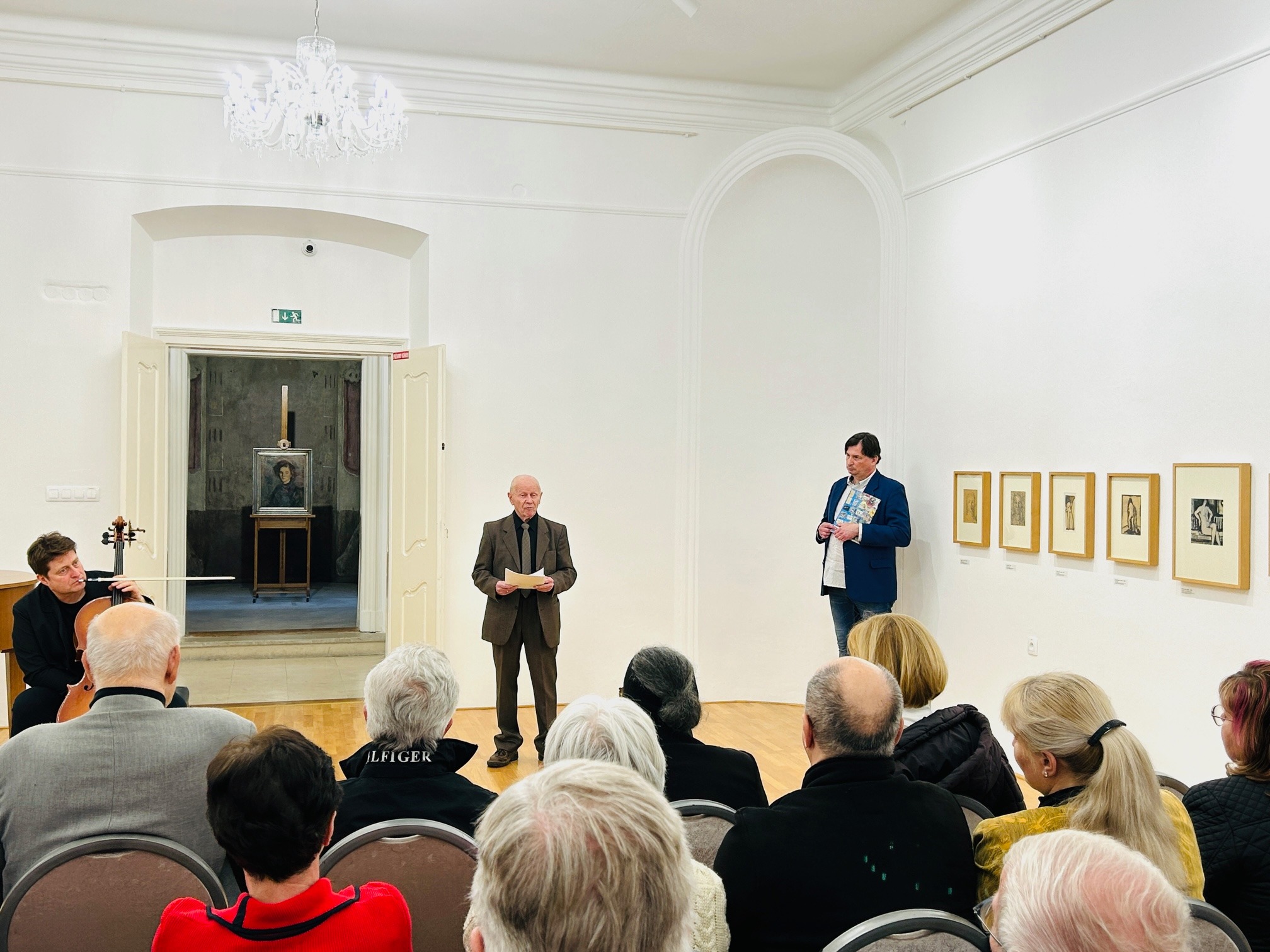
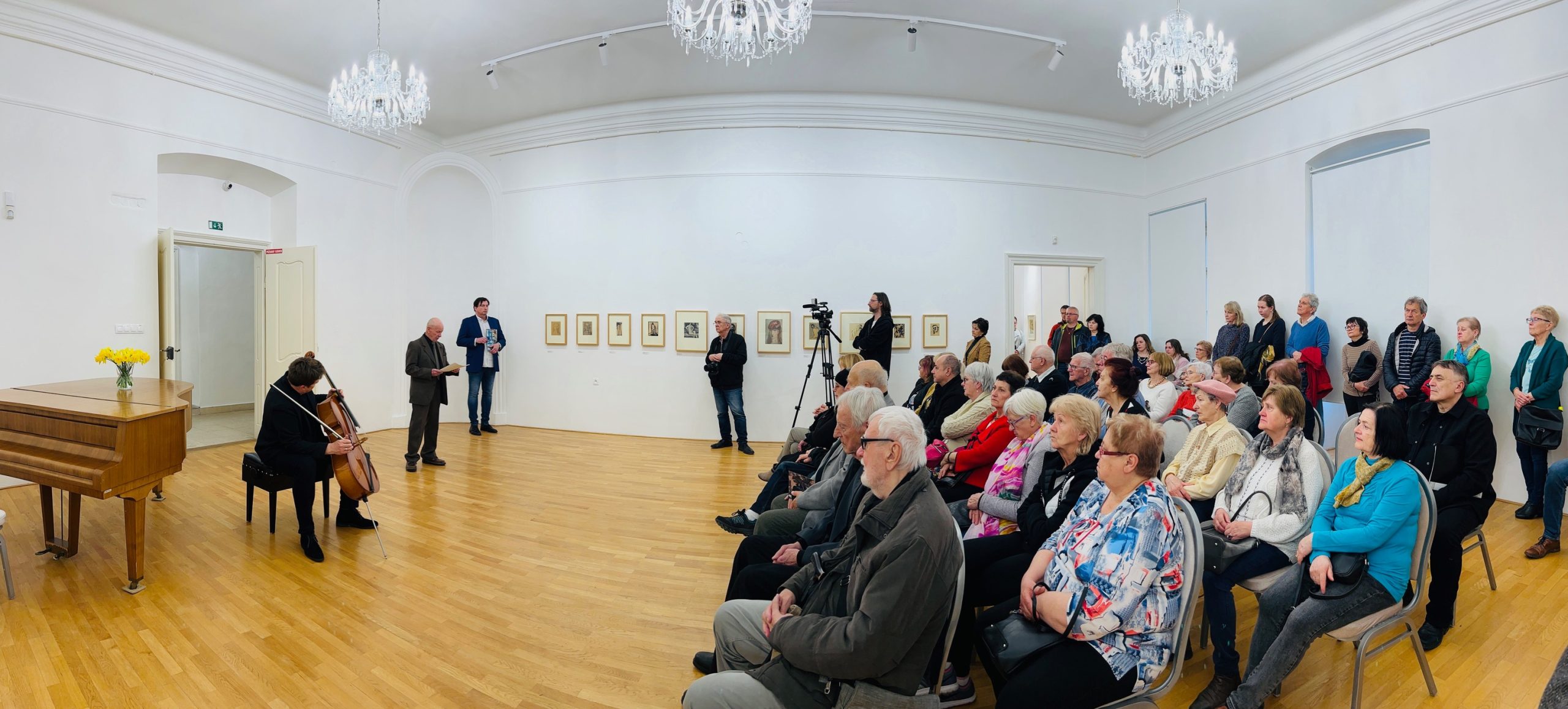
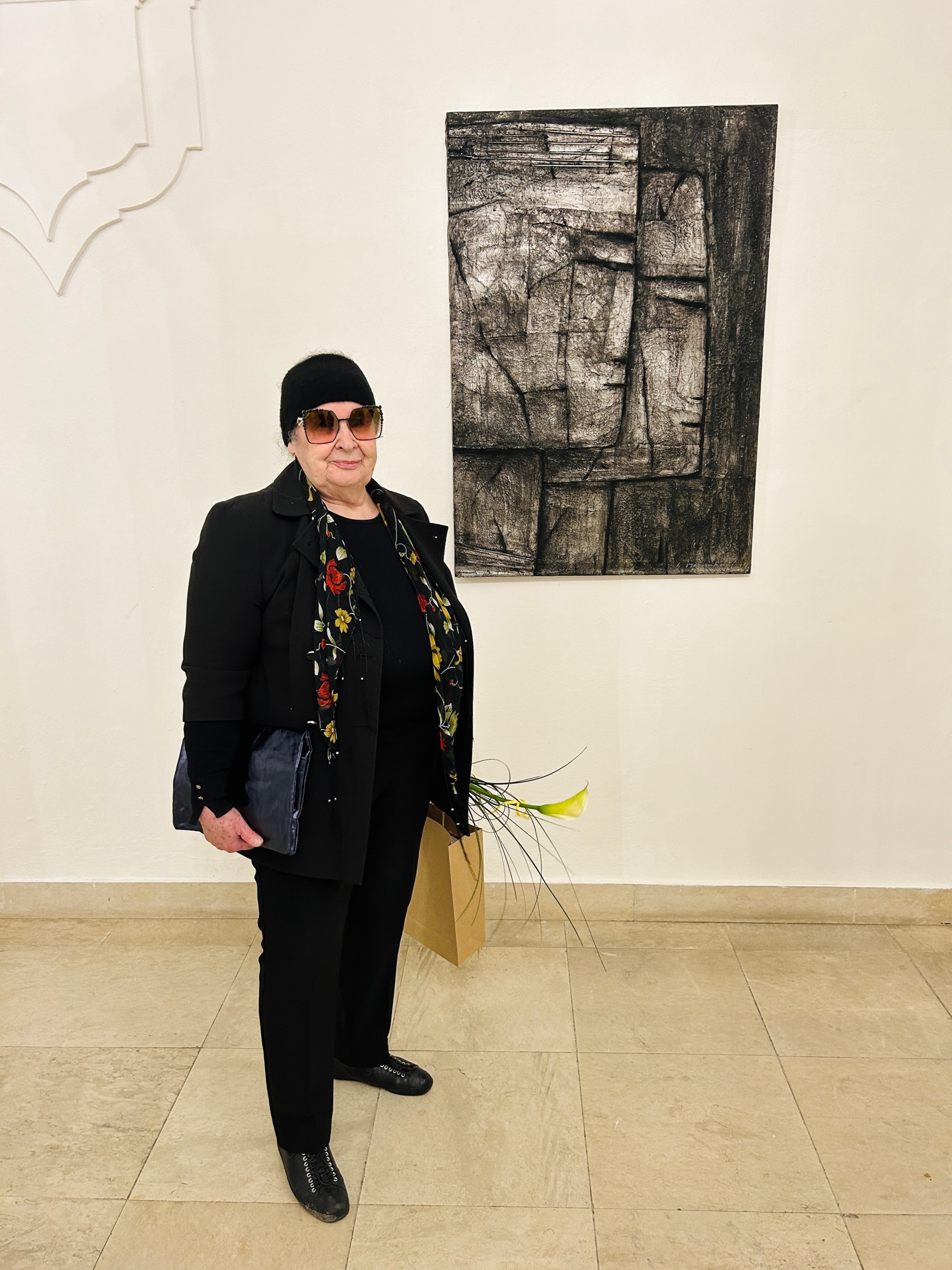
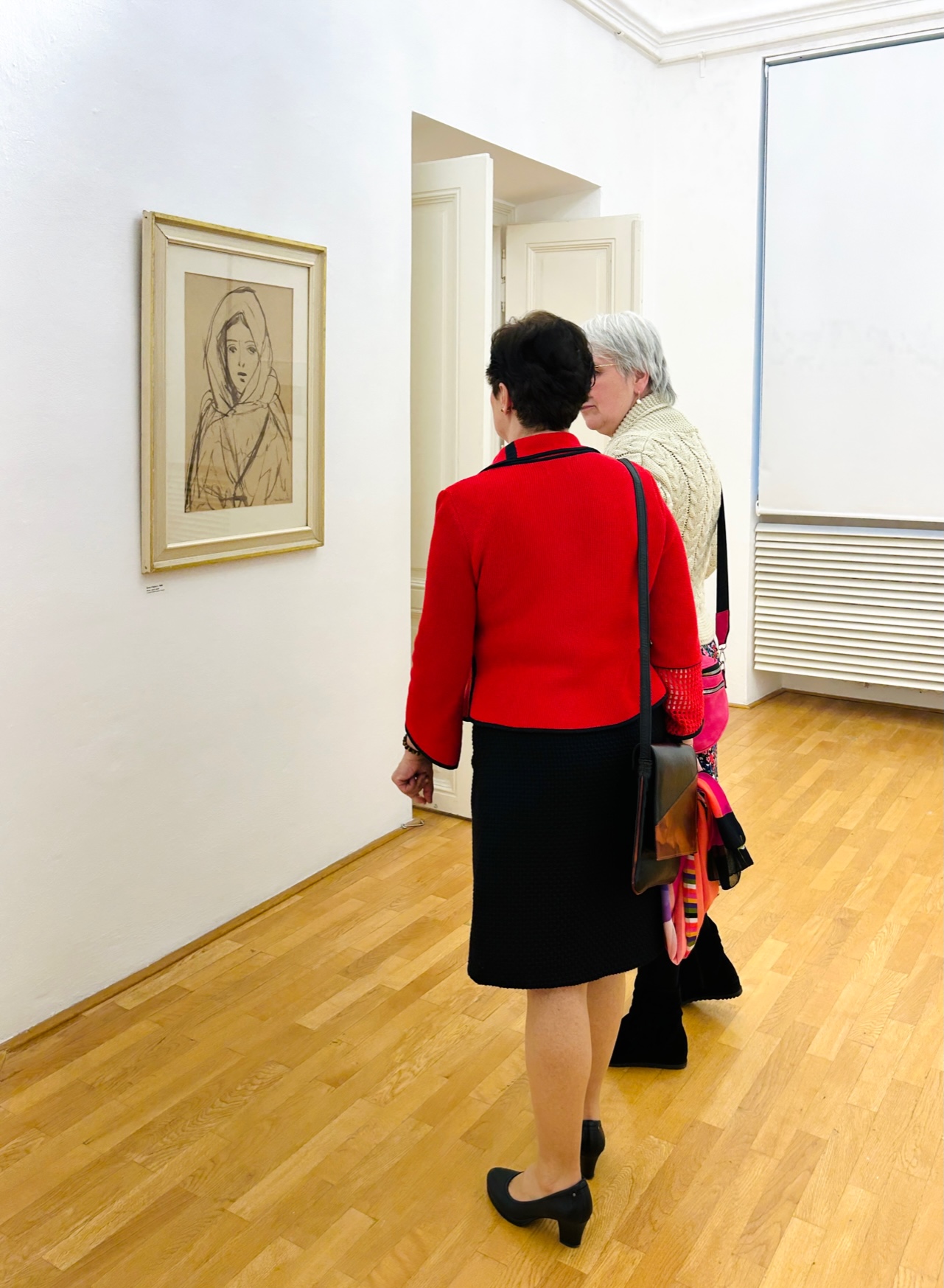
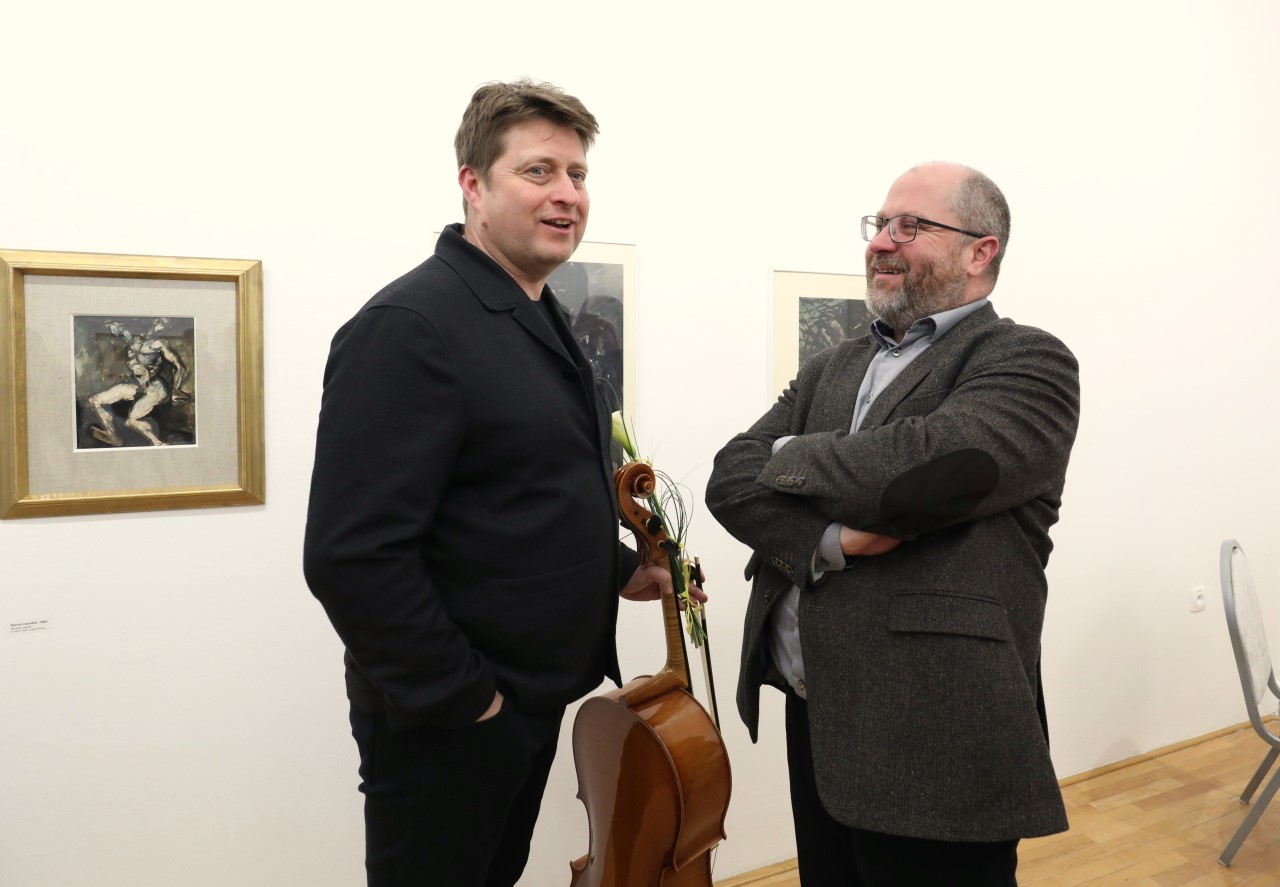
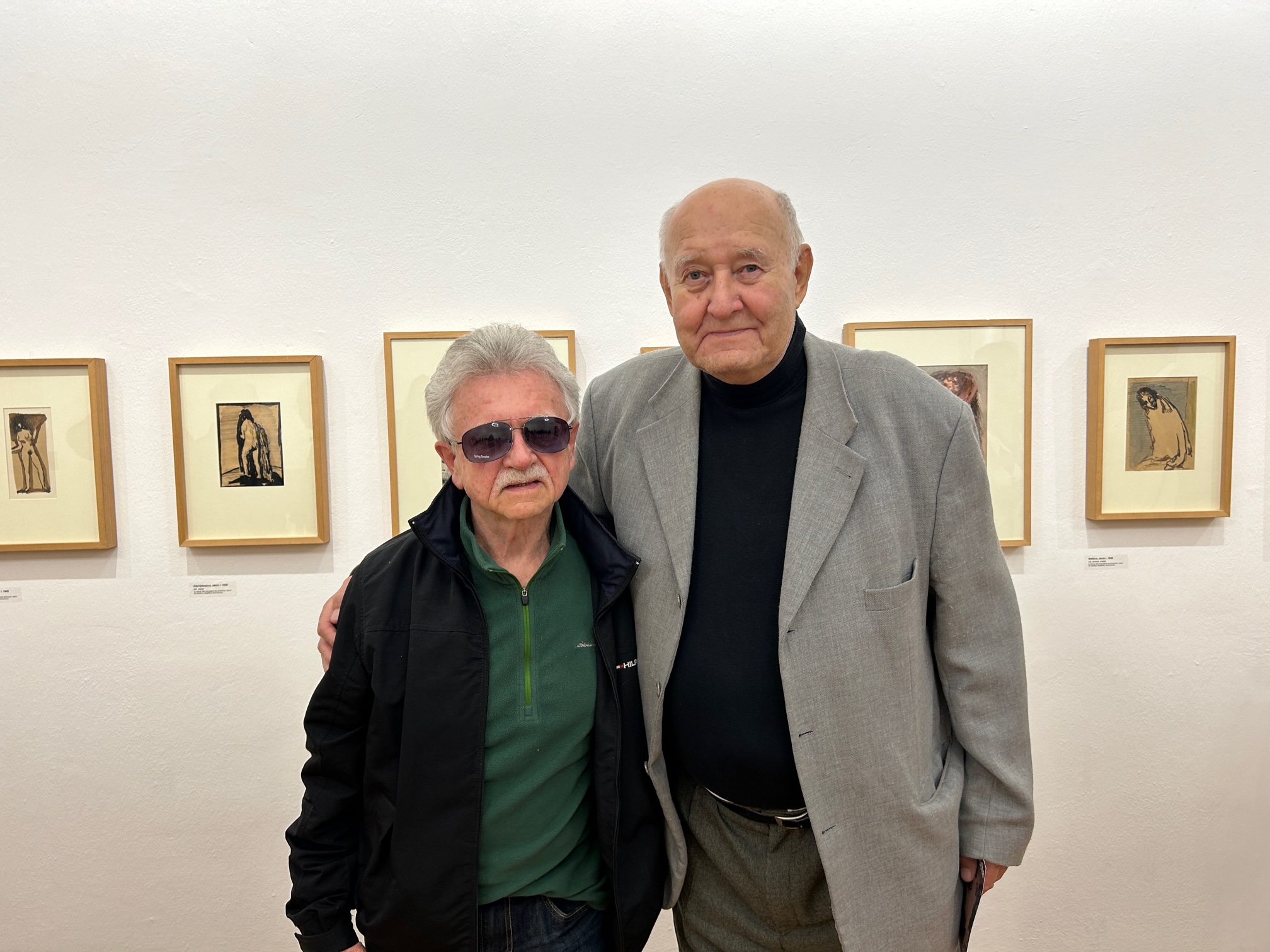
Teraz.sk, TASR, 11. apríla 2023 9:11
Záhorská galéria sprístupní výstavu Kresby Jána Mudrocha
Záhorí.sk, KamVen, 5. apríla 2023:
Kresby Jána Mudrocha /Záhorská galéria v Senici
NaZáhorí.sk, Angelika Kmecová, 13. apríla 2023
V Záhorskej galérii dnes začínajú výstavy Akvizície a Kresby Jána Mudrocha
Správy RTVS z regiónov, piatok 14.04.2023 17:10
Príspevok od 11:30:
Dominika Kusá: Kresby Jána Mudrocha
RTVS.sk, Správy RTVS, piatok 14.04.2023 19:00
Príspevok od 47:55:
Dominika Kusá: V Senici sprístupnili kresby J. Mudrocha
RTVS, Kultúra SK, Nedeľa 16.04.2023 18:00
Príspevok od 24:00:
Pozvánka Kresby Jána Mudrocha