


Home › Exhibitions › Archive of exhibitions › 2026 › Jakub Milčák: On This Side of the Sky
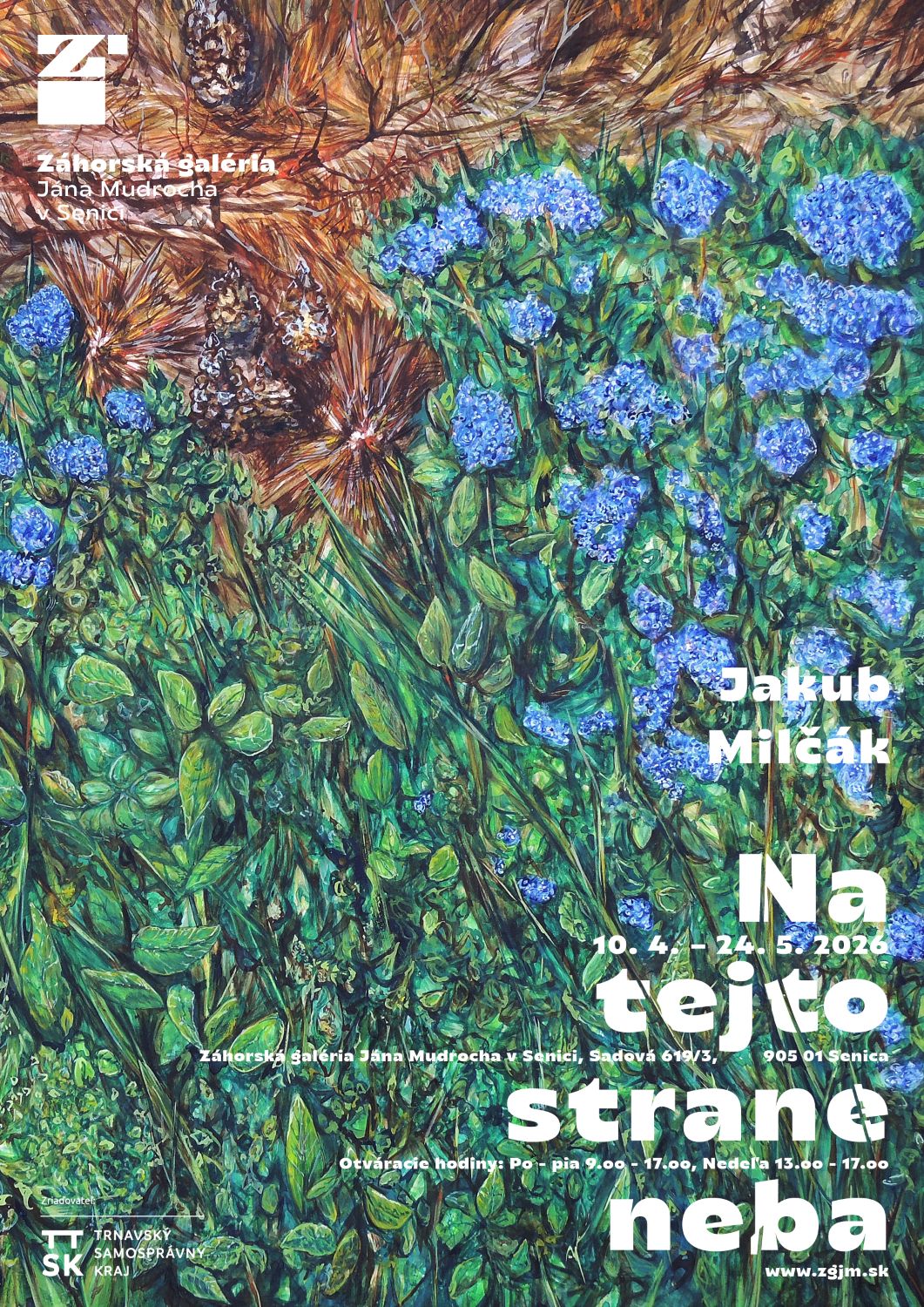
Jakub Milčák: On This Side of the Sky
Jakub Milčák: On This Side of the Sky
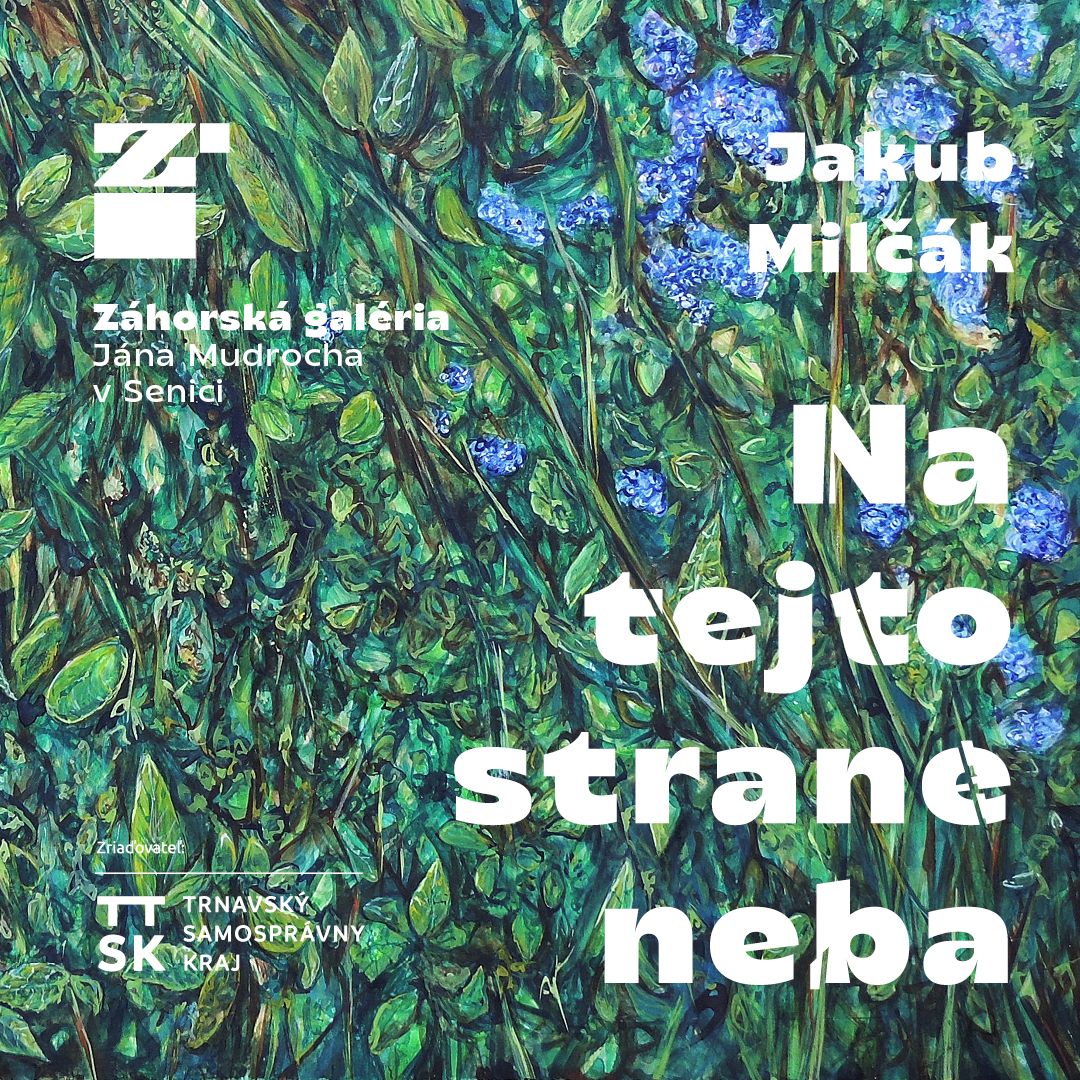
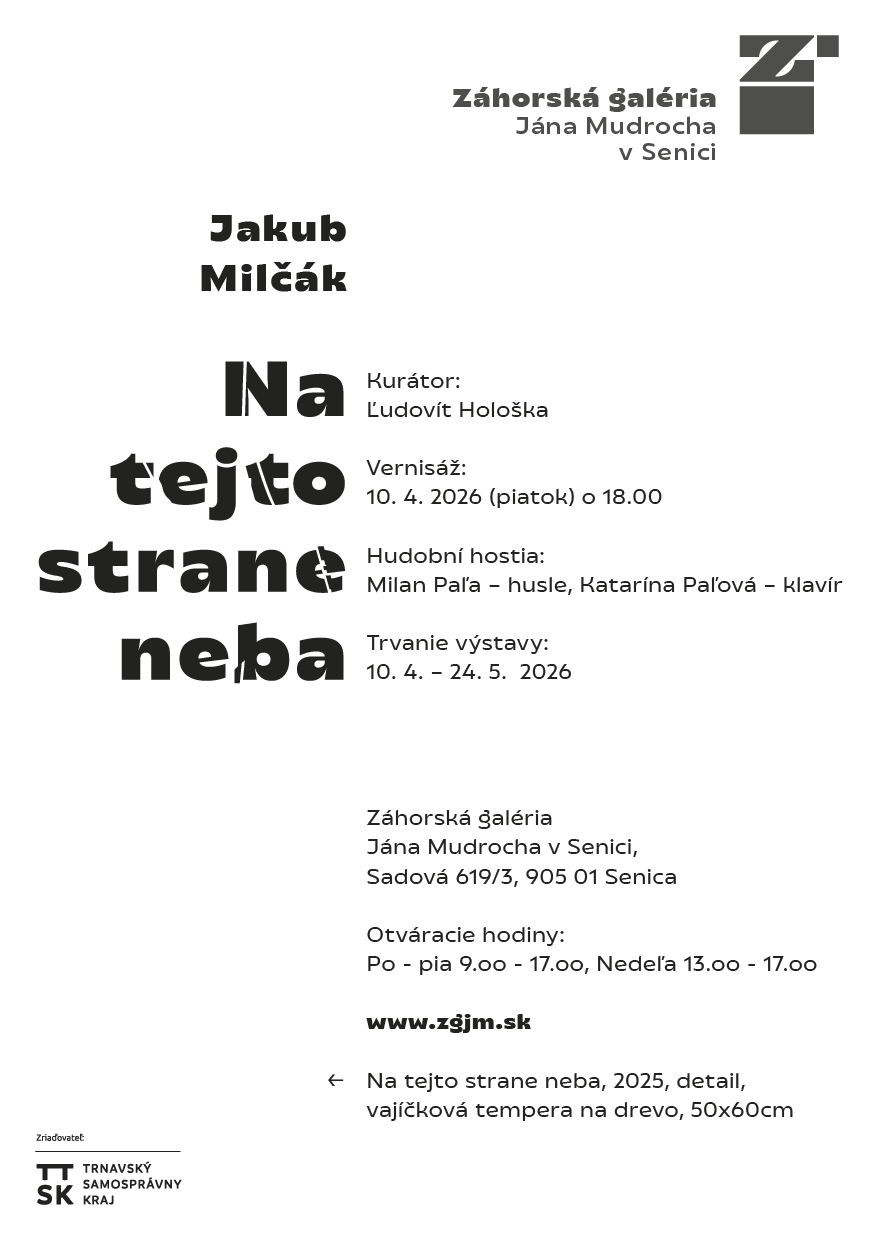
Artist, exhibition title: Jakub Milčák: On This Side of the Sky
Venue: Záhorie Gallery of Ján Mudroch in Senica, Sadová 619/3
Curator: Ľudovít Hološka
Opening: April 10, 2026 (Friday) at 6:00 PM
Musical guest at the opening: Milan Paľa – violin, Katarína Paľová – piano
Duration of the exhibition: April 10 (Friday) – May 24 (Sunday), 2026
About the exhibition
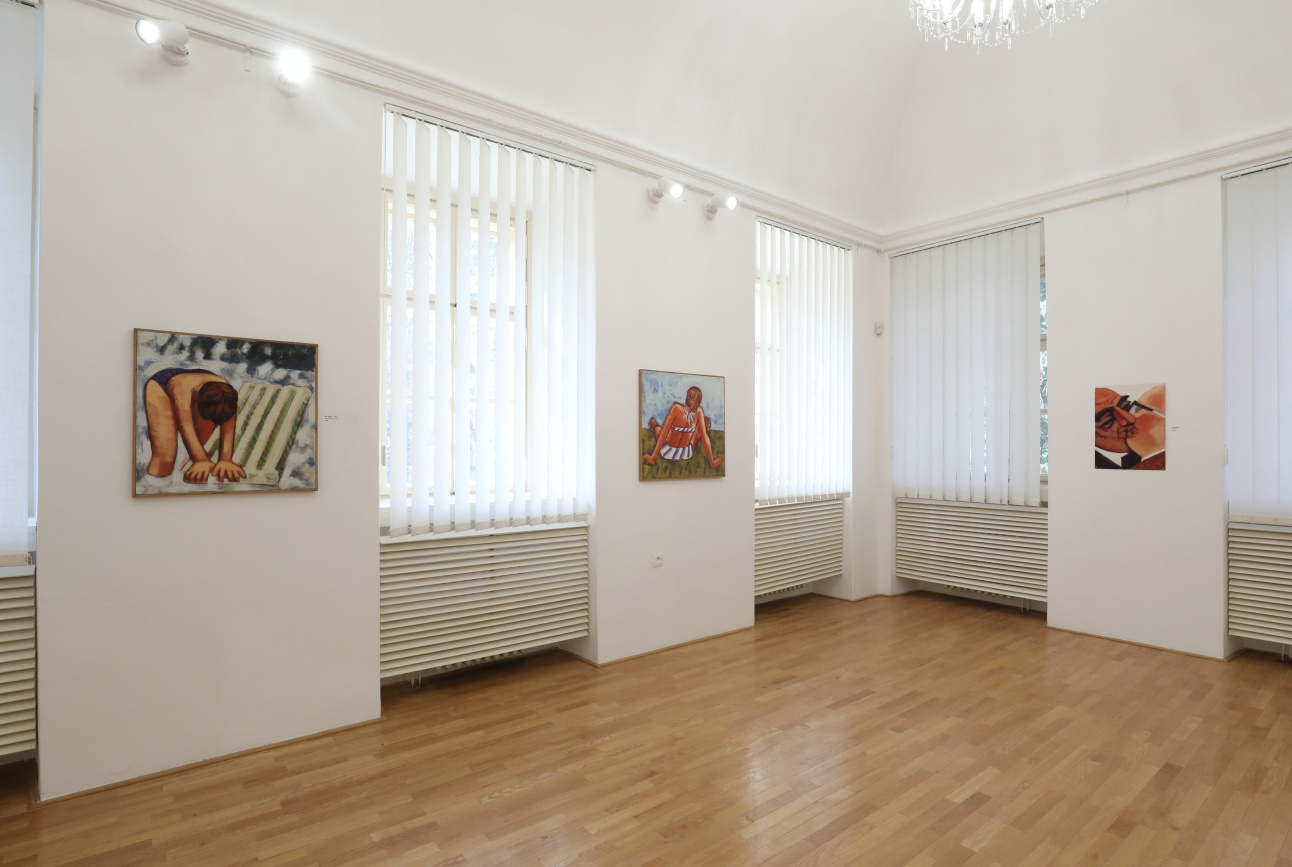
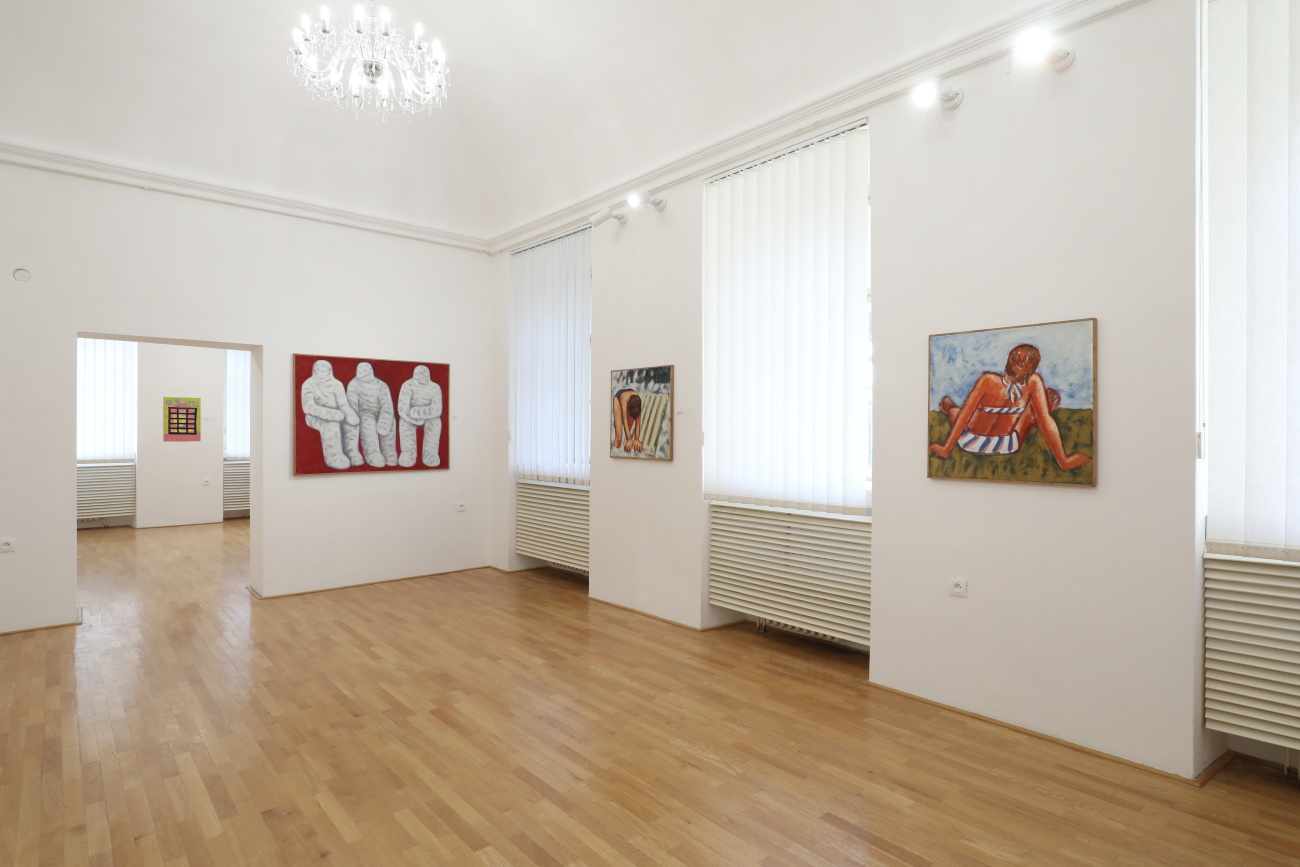
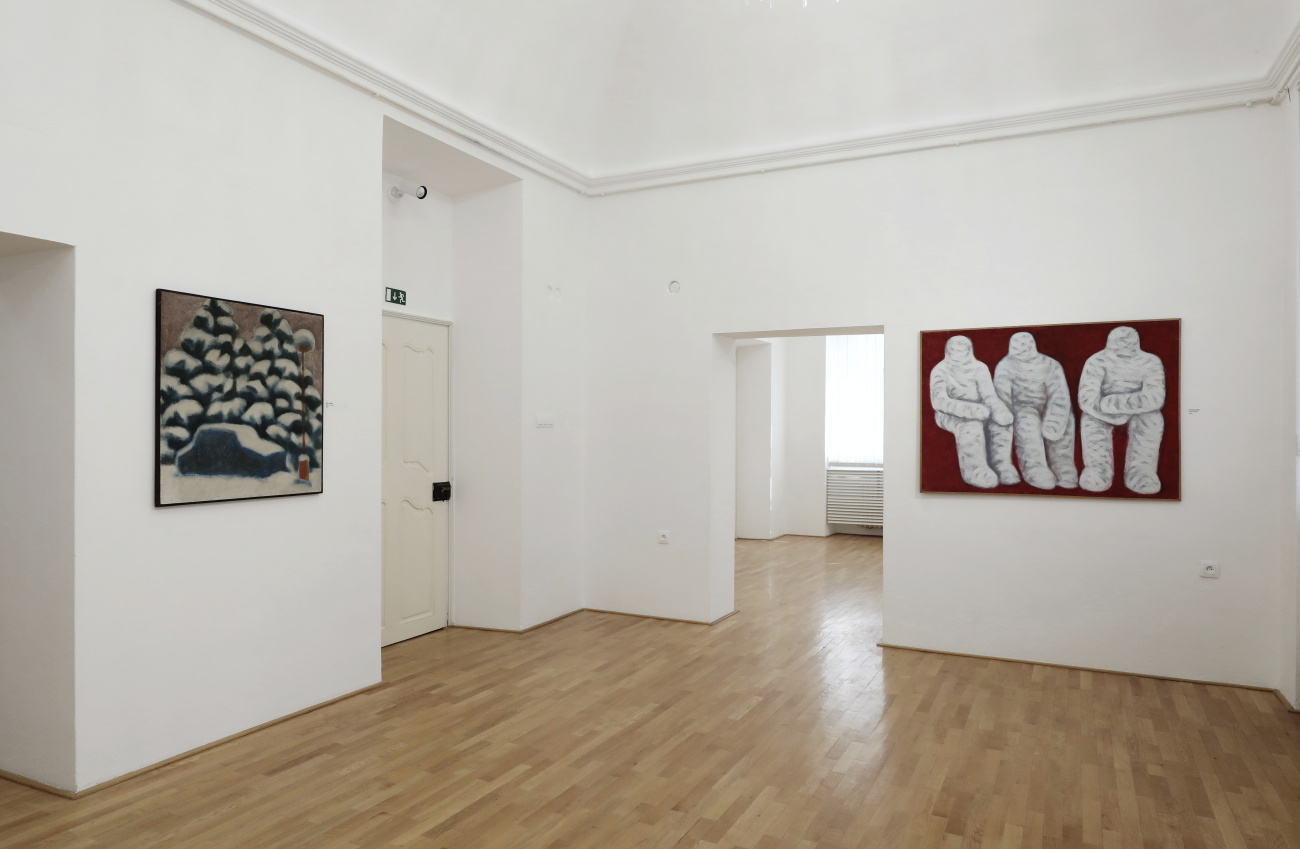
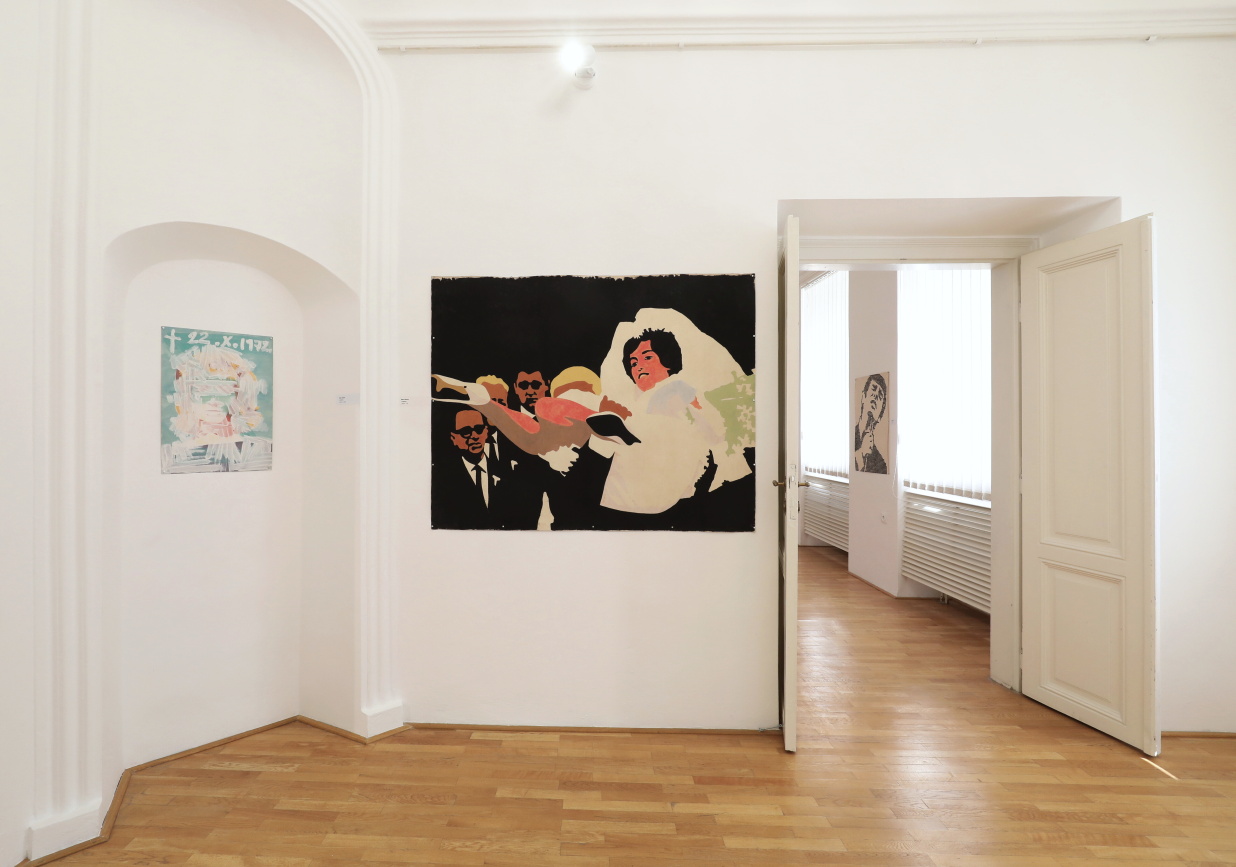
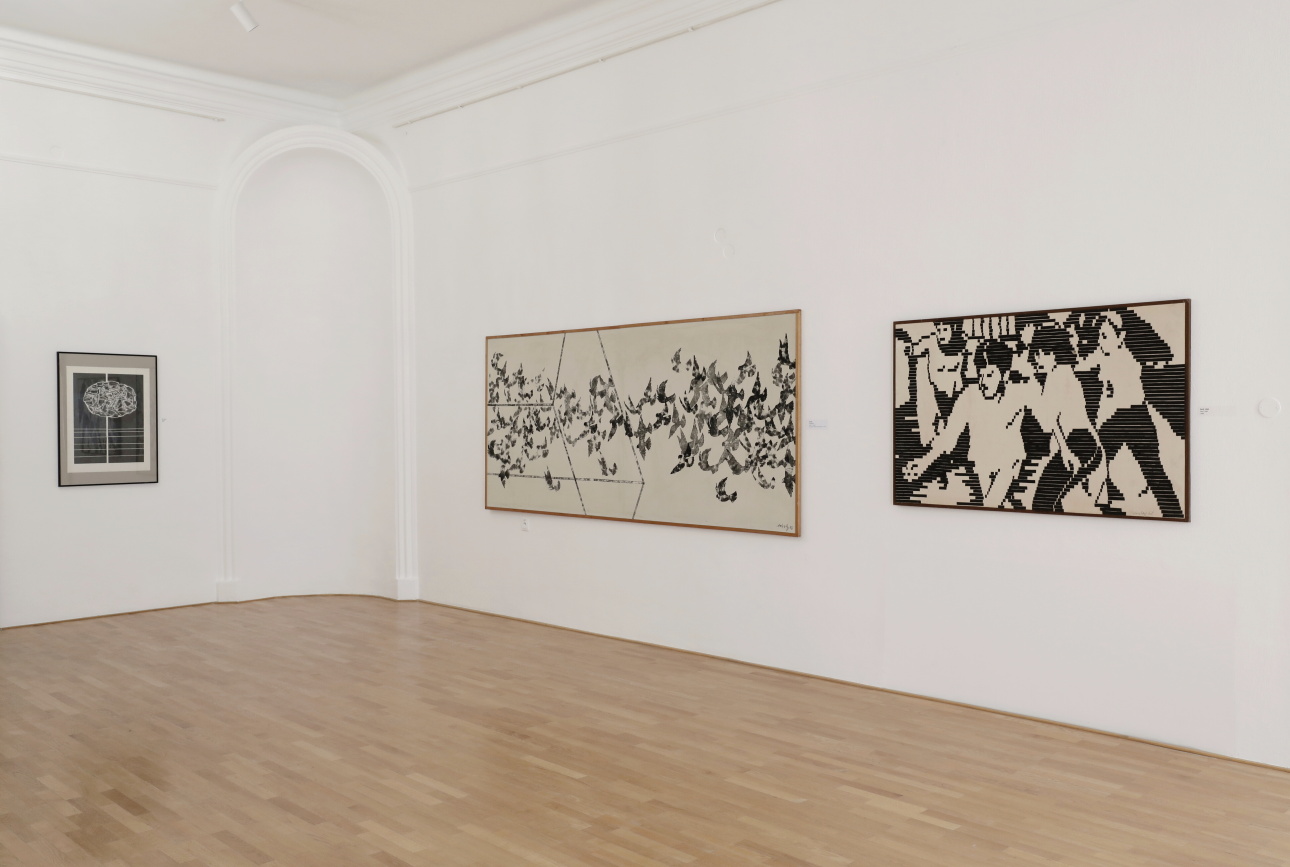
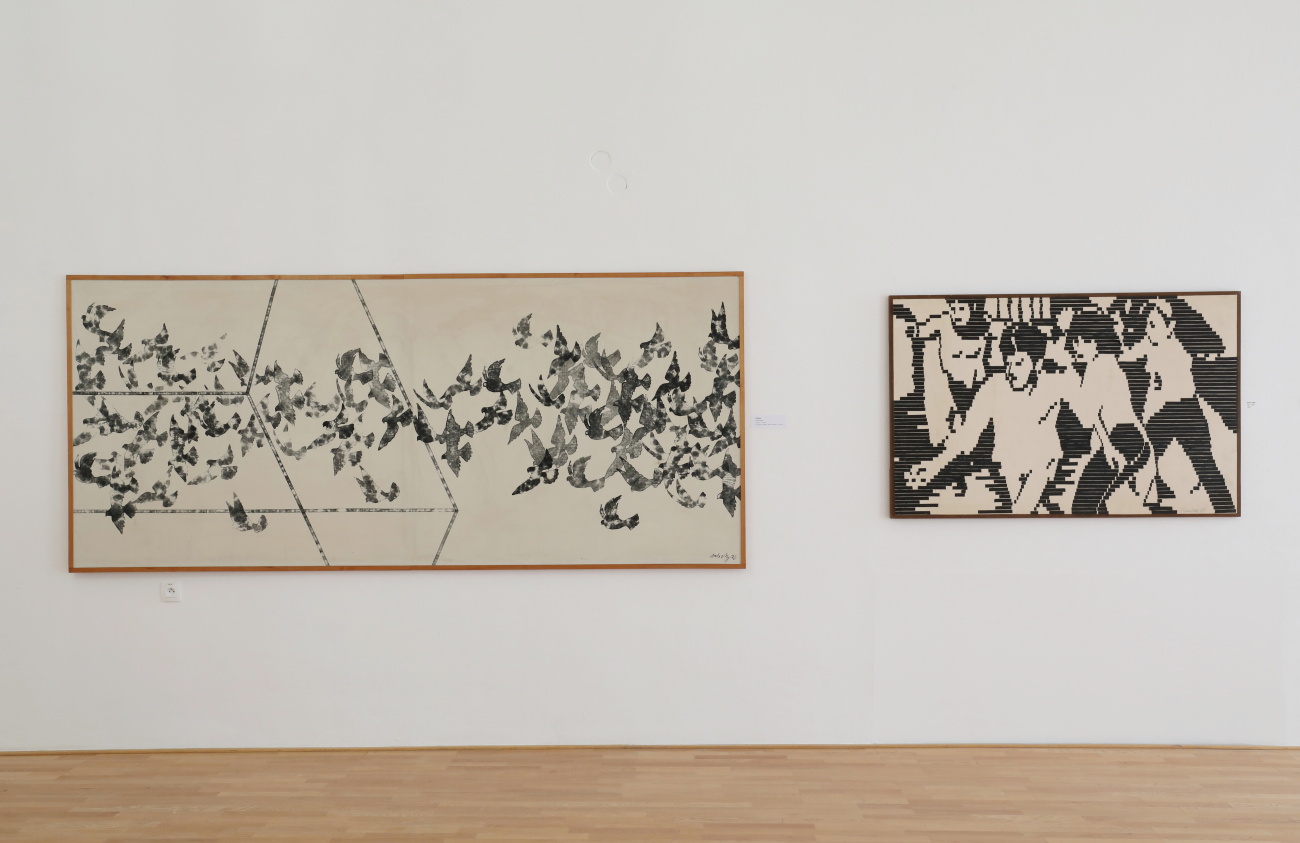
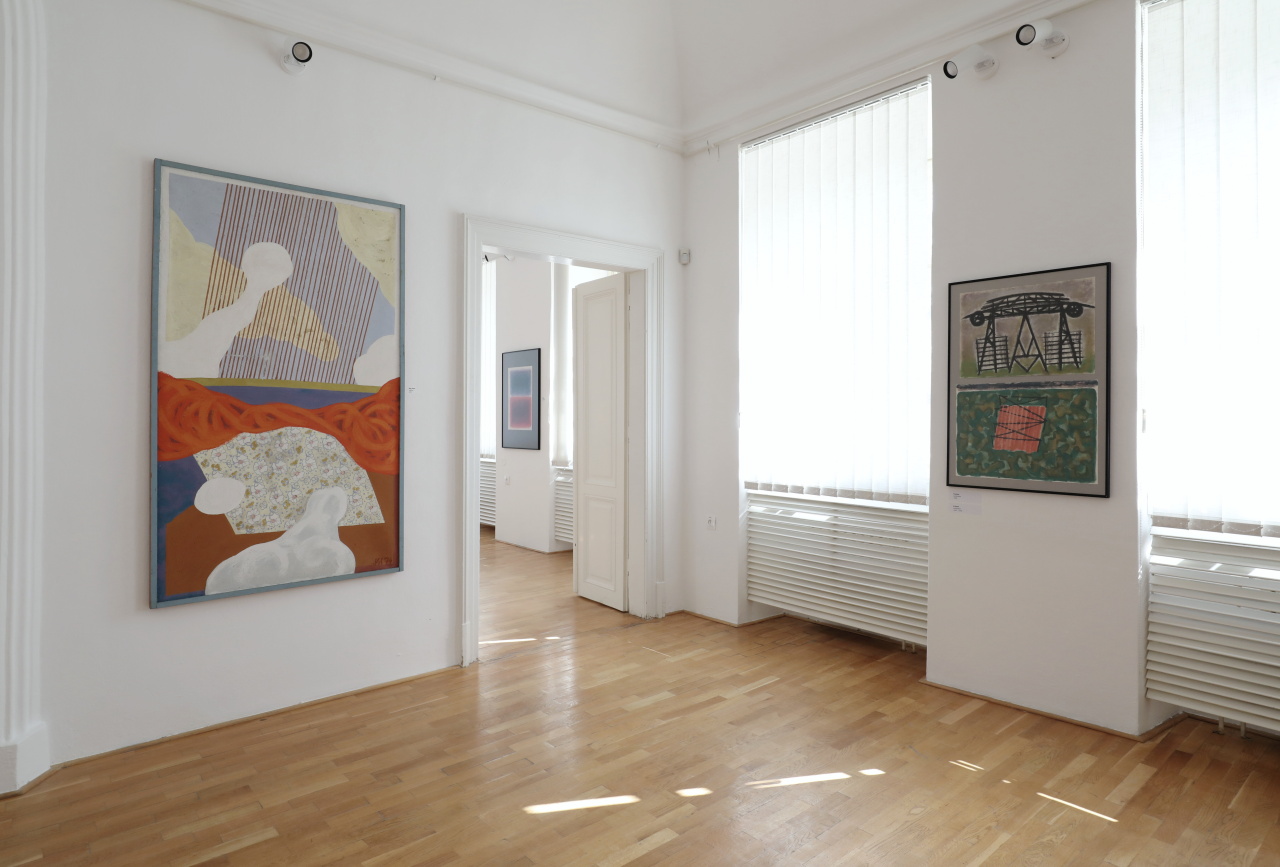
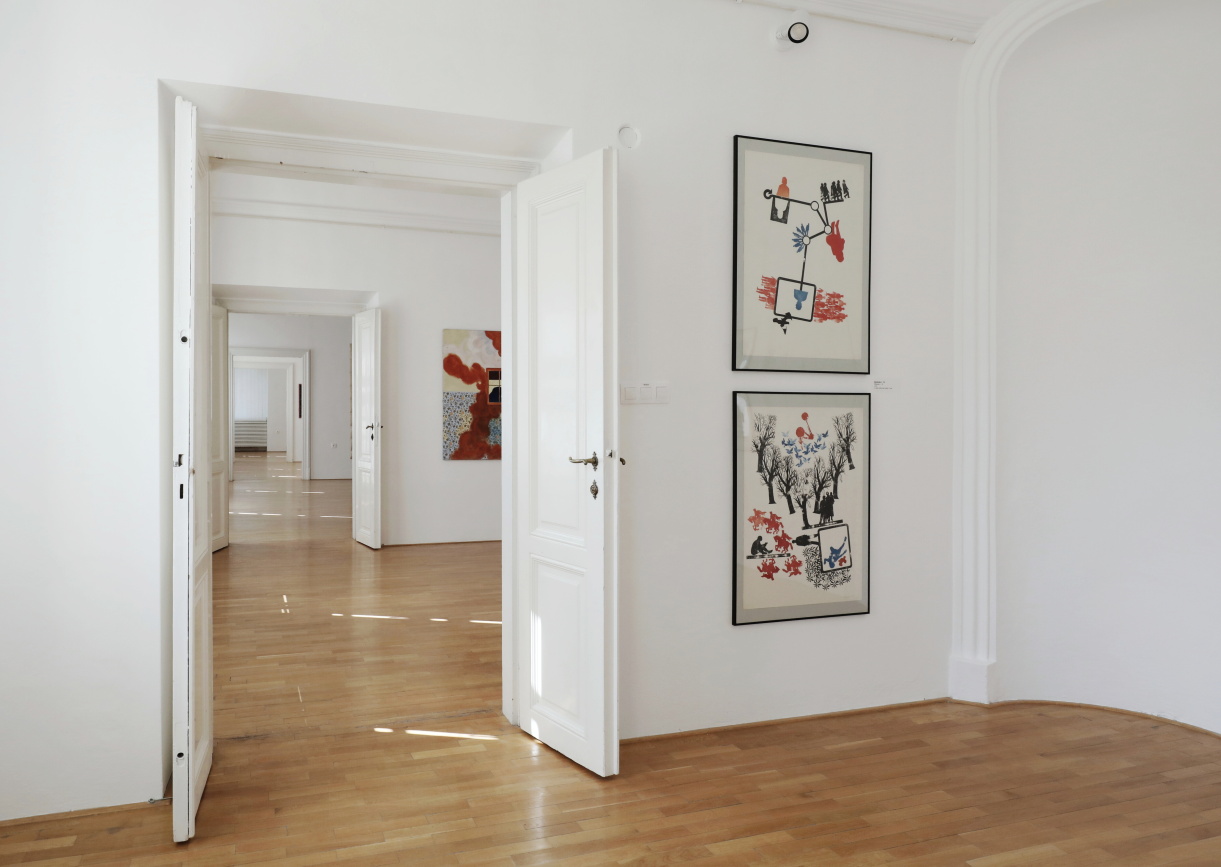
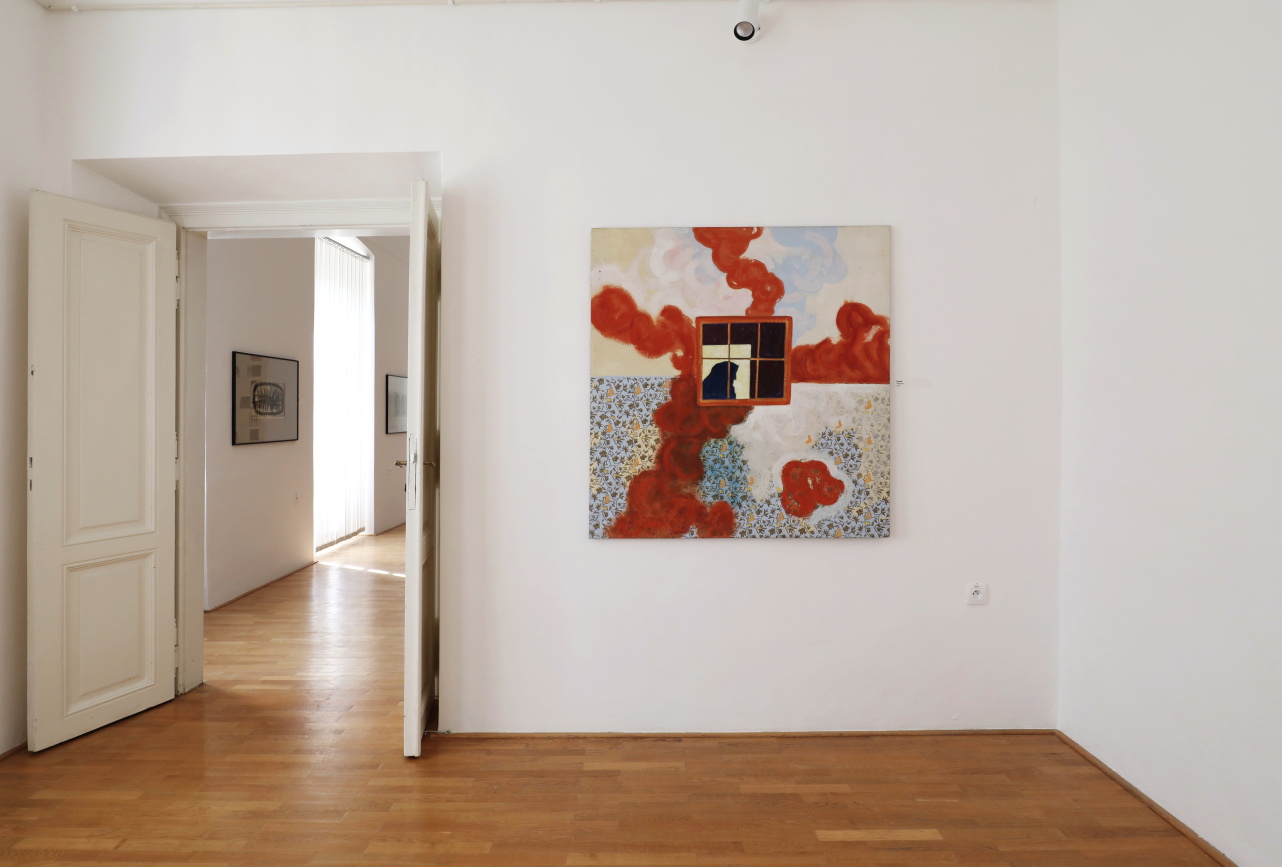
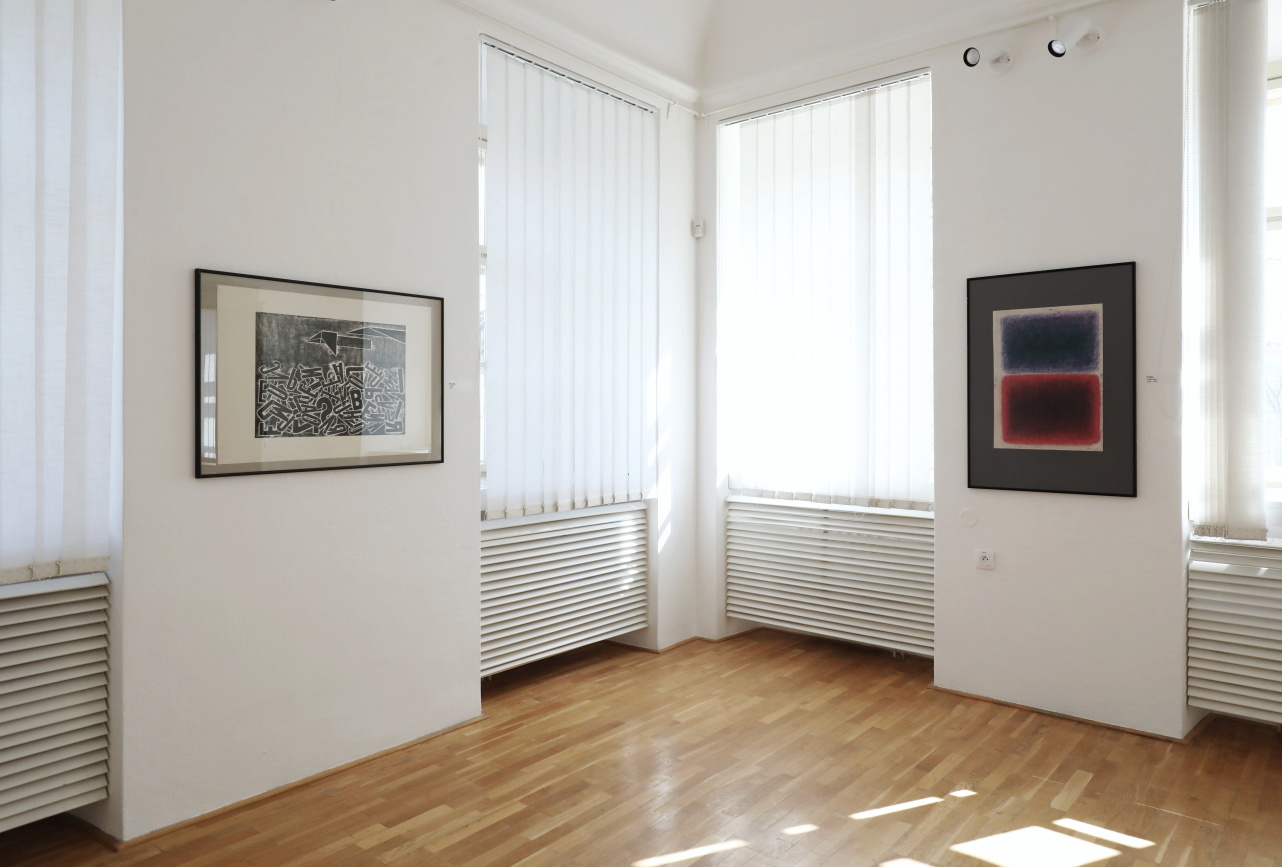
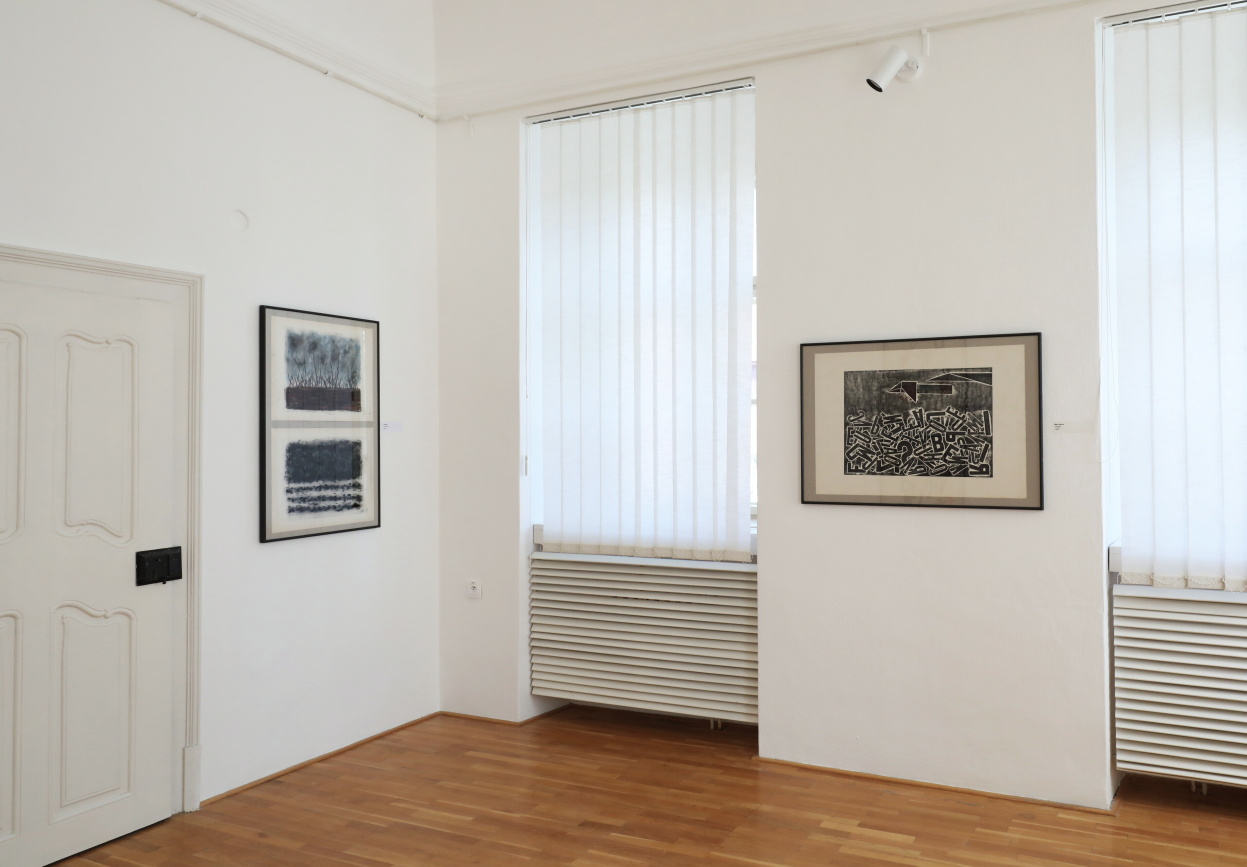
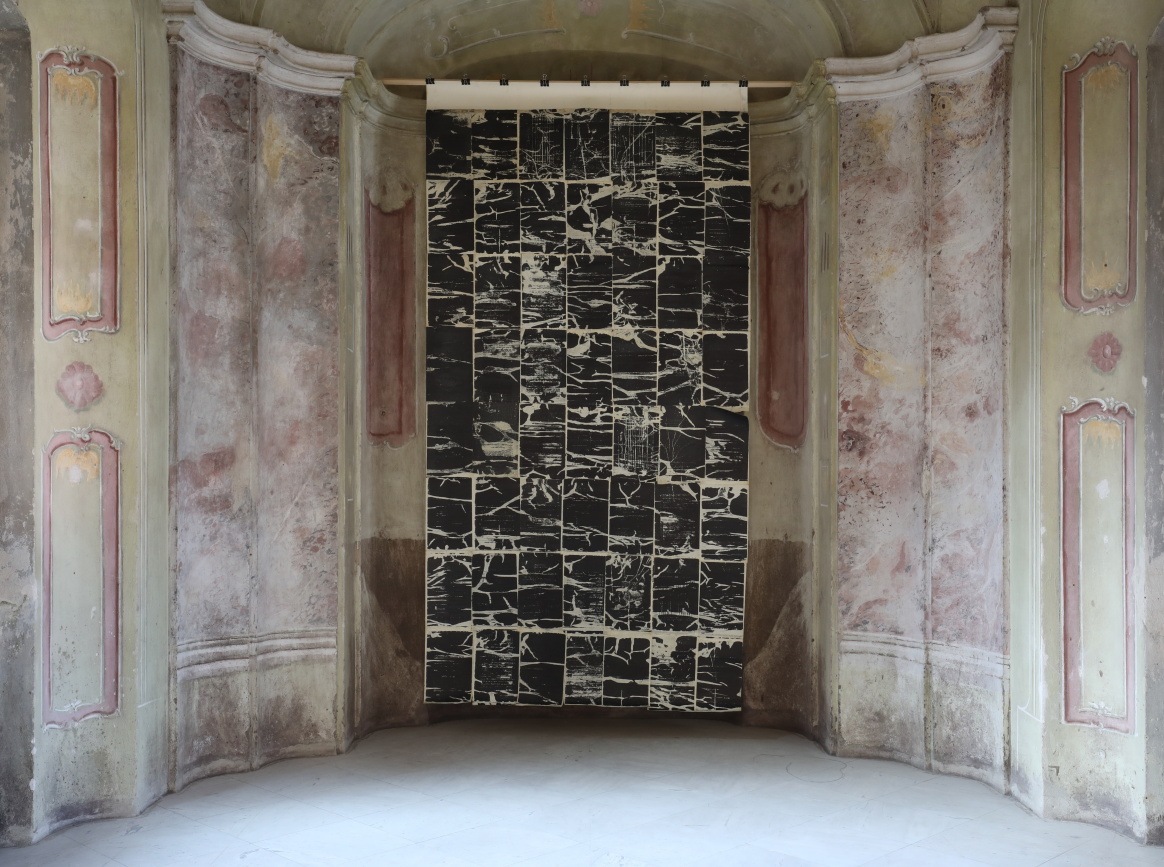
For the spring months of 2026, the Záhorie Gallery, in close collaboration with Prof. Ľudovít Hološka, has prepared an exhibition of Jakub Milčák, a painter and graphic artist who completed a large part of his studies abroad. The poetic title of the exhibition corresponds to the character of his work, a cross-section of which is presented in the gallery.
“The Relaxed Gravity of the Present”
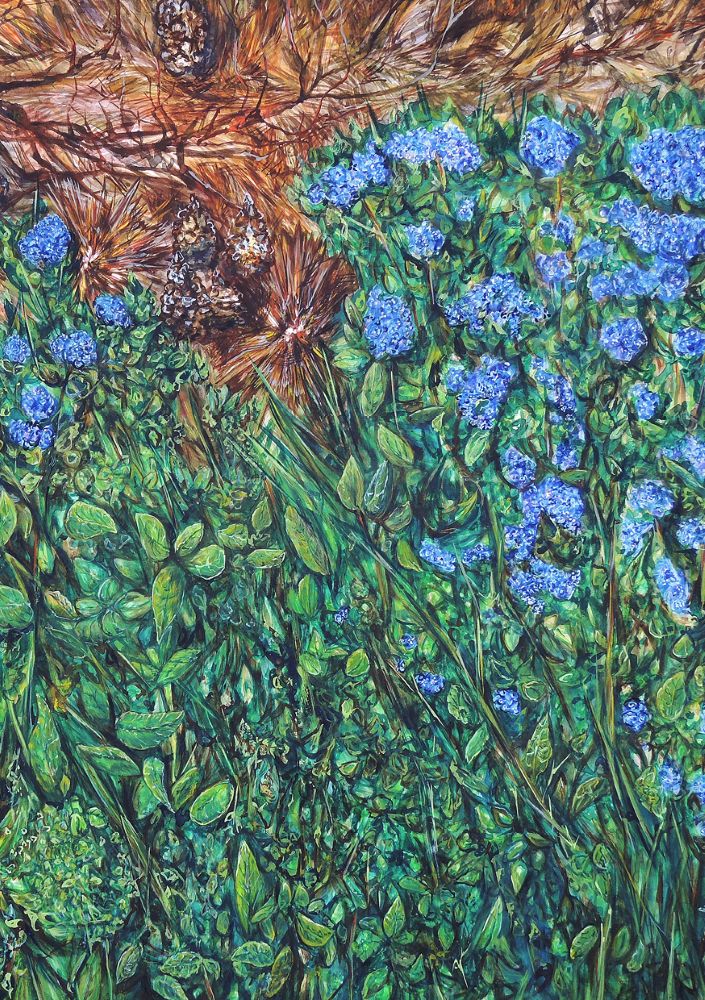
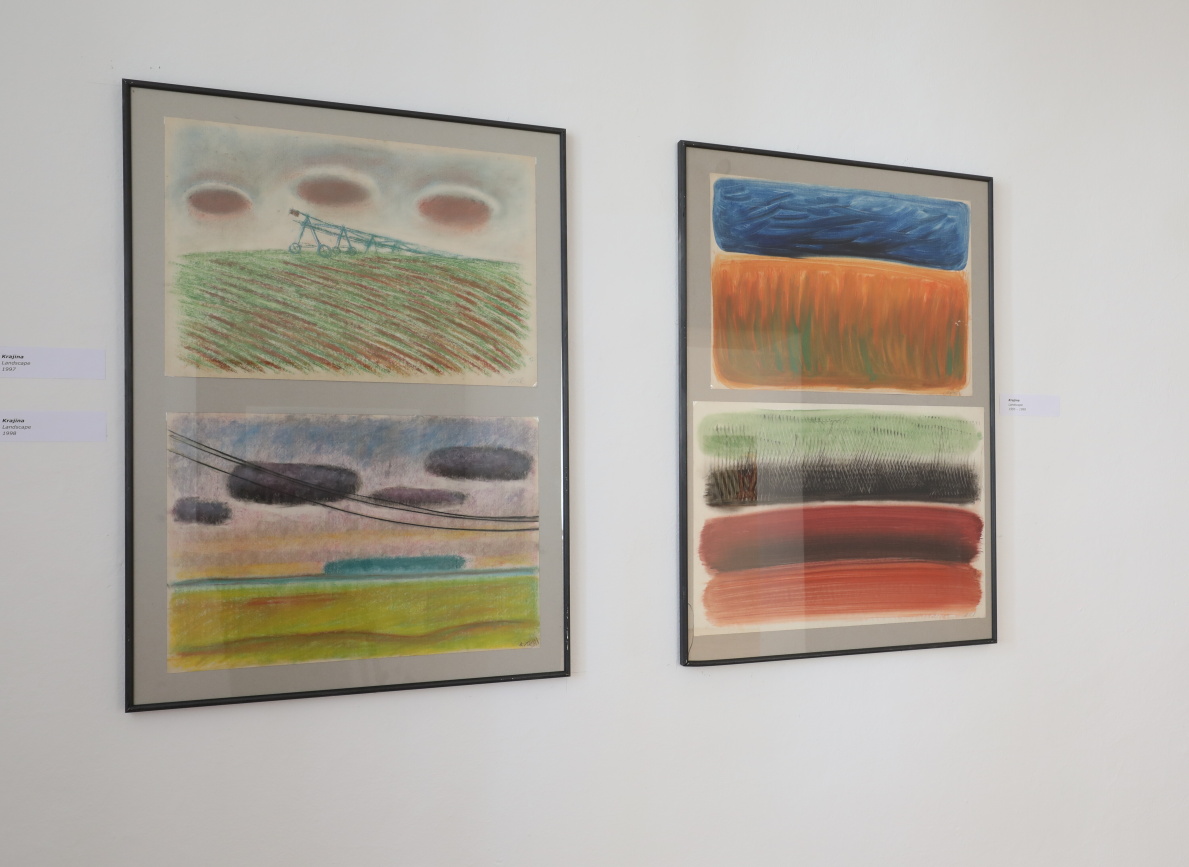
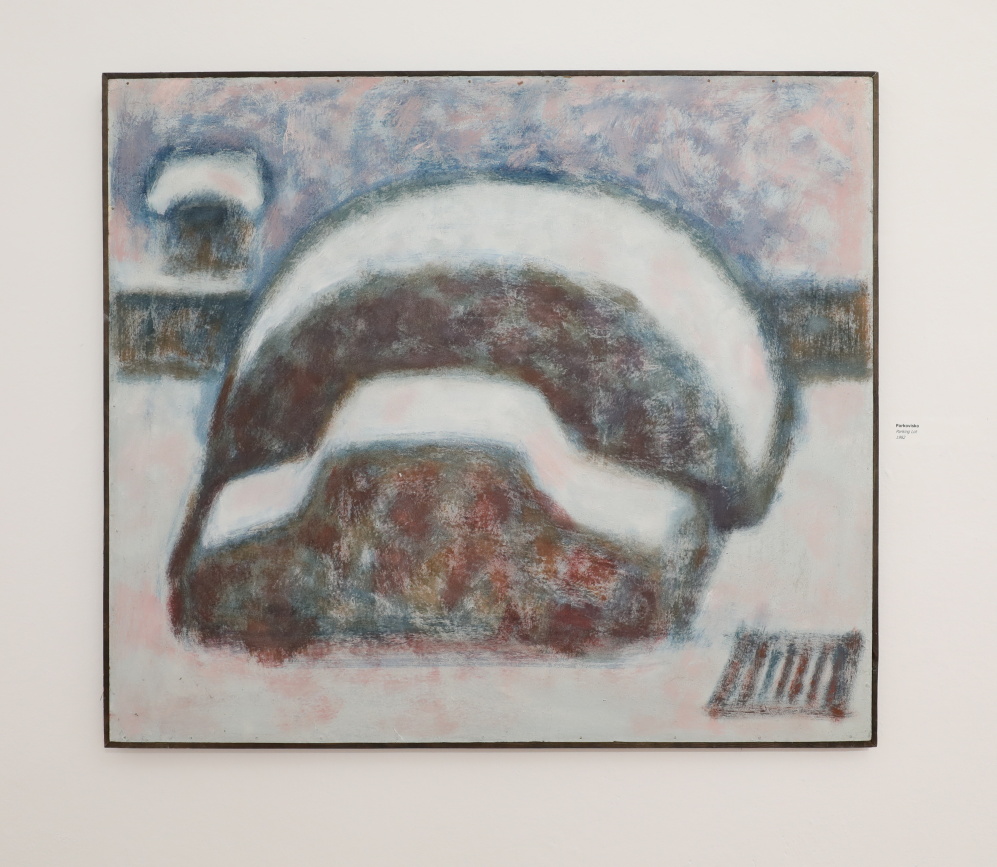
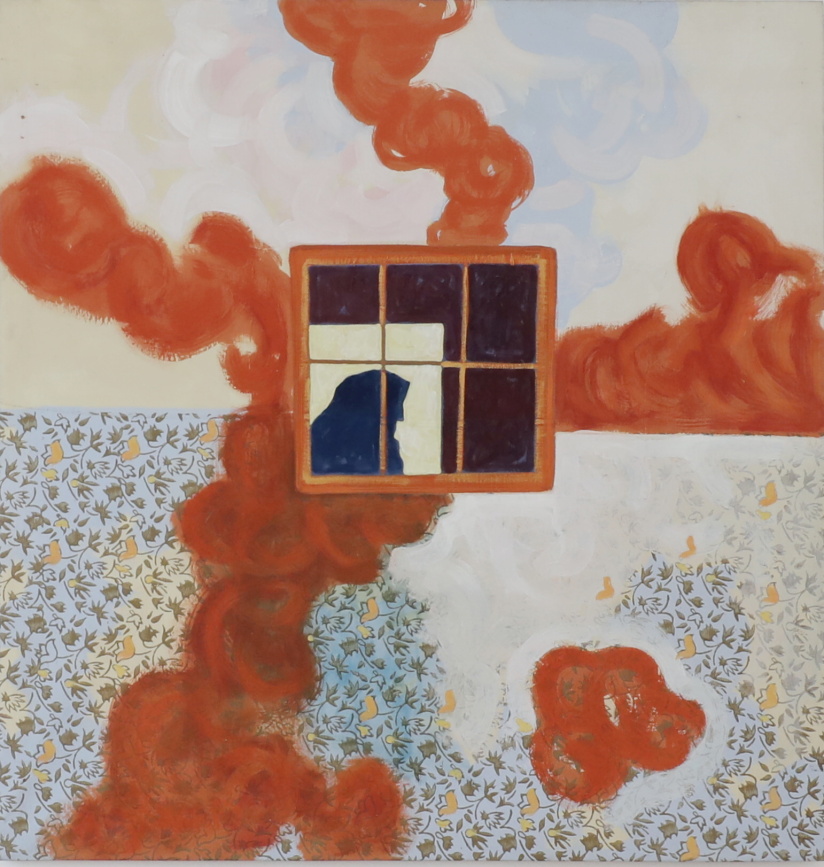
Jakub’s large-scale compositions present universes of organic, vegetal, and biological shapes and forms. They are expressed in a varied gestural idiom within a dramatic color scale, often softened by chiaroscuro tonal techniques. They evoke baroque, turbulent events of form and color found on the vaults of churches and the ceilings of palaces.
He continues to develop the theme through the use of different techniques (e.g., oil) and by articulating forms on a monochrome yet color-active field. In this way, the image gains a diversity of shapes that distinguish and expand the effects of its striking color palette. Pure, enclosed abstract forms with distinct, saturated colors multiply the semantic richness of individual compositions. The dynamic abundance of colors and forms carries a wide range of connotative meanings.
“…the content of every painting is interiority, an invisible life in itself, which cannot cease to be and which permanently endures in its own darkness.”¹
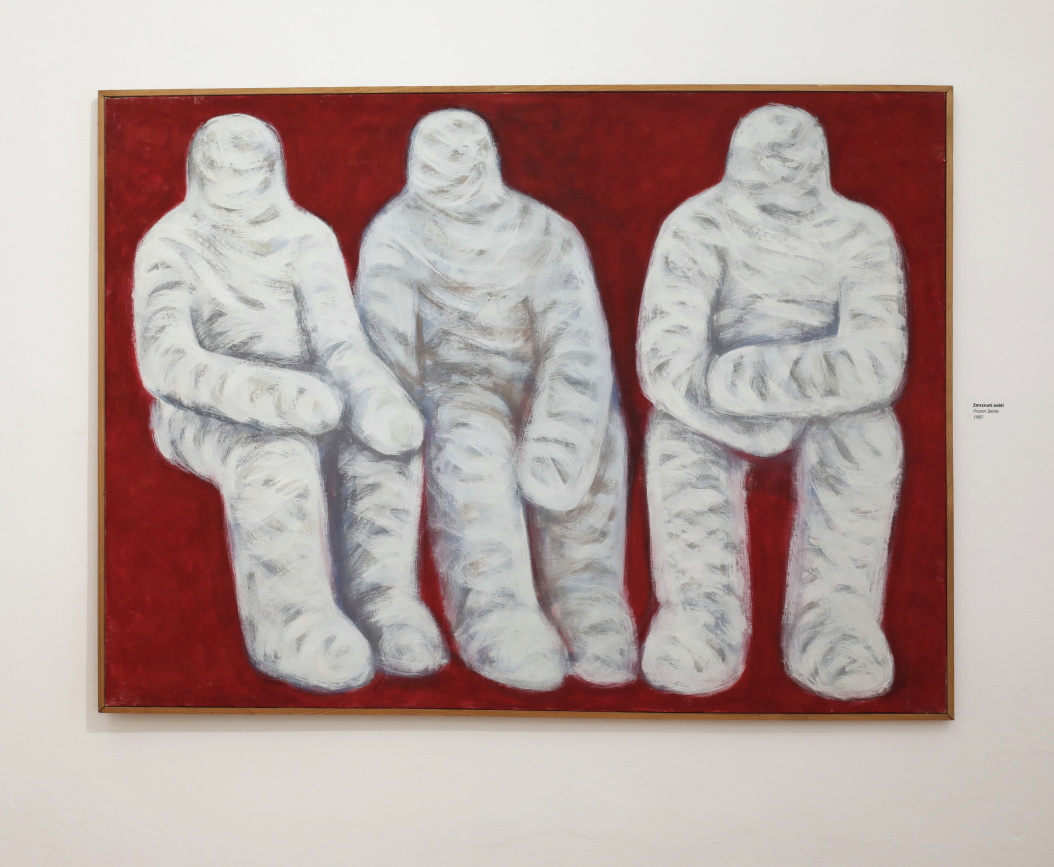
The structures of the cosmos transition into structures of vegetation—leaves in the crowns of trees, deciduous and coniferous alike, grasses, flowers, weeds, herbs, reeds, terrains. Within this newly formed world of motifs, a human figure suddenly appears. As a hidden part of the natural world, it becomes a fairy-tale, mythical being, sometimes hybridized with the animal world of birds or insects.
This becomes most clearly defined in the painting Trilogy. The work is inspired by the prose of the same name by Jon Fosse—“a ballad-like story of the musician Asle and his companion Alida, two young lovers, a story of great themes: of love that demands fatal sacrifices, of fate that is both grace and curse and from which there is no escape, of death that takes our loved ones with definitive relentlessness…”²
In the painting, against the background of a dark sea and a gloomy sky through which starlight pierces the clouds, a pair walks forward. The linear construction of the composition contains a hidden tension. It diagonally bursts from the lower right edge of the format toward the upper left corner. Around these diagonal lines, contour lines of the figures—their faces, clothing, and the objects they carry—coil and stretch. The internal dynamism of the arabesques recalls the swirling compositions of the abstract paintings with which the artist began.
(excerpt from a text by Ľ. Hološka)
[1] Michel, Henry: Seeing the Invisible: On Kandinsky. Minor, 2023.
[2] Milčák, Peter – Ormandík, Marek: How to Read an Image. Modrý Peter, 2017.
O autorovi
Jakub Milčák (*June 1, 1989, Levoča) studied at the Academy of Fine Arts and Design in Bratislava in the studio of Doc. Vojtech Kolenčík, at NSCAD University in Halifax, Canada (under Dan O’Neill), and completed his Master’s degree in painting at Columbia University in New York (under Gregory Amenoff). His work is a dialogue between tradition and modern abstraction, where the boundaries between reality and dream continuously intertwine. His art is often perceived as a visual attempt to capture “the mystery and miracle of our existence.” Every detail on canvas or paper represents a movement toward deeper understanding that transcends ordinary reality. Milčák refers to his drawings as “painterly drawings,” as they are not merely preparatory studies but autonomous, physically demanding processes of layering. He works with biomorphic, psychedelic forms that fill the surface of the paper using luminous lines characteristic of the search for “that which light does not shape.” The drawings also resemble microscopic views of cells, flows of energy, or dense vegetation seemingly growing directly from the paper. After completing his painting studies in New York, Jakub Milčák returned to Slovakia in 2020 and simultaneously returned to the tradition of painterly craft. He moves away from the abstract world toward the concrete. This marks a transition from his typical biomorphic abstraction to a more narrative and contemplative depiction of figure and landscape—an attempt to portray the unknowable and a longing for a momentary infinity.
Ján Mudroch
Ján Mudroch
– narodil sa 28. marca 1909 v obci Sotina (dnes mestská časť Senice),
– bol najstarší zo siedmich súrodencov, štyroch chlapcov a troch dievčat,
– otec Pavol Mudroch bol pôvodne kožušník a z najstaršieho syna chcel mať úradníka,
– prvé zoznámenie sa s výtvarným umením absolvoval v roku 1926 v súkromnej maliarskej škole Gustáva Mallého v Bratislave,
– v rokoch 1930 – 1931 študoval na Umeleckopriemyselnej škole v Prahe na vlastné náklady, bez finančnej podpory rodičov, u profesora Arnošta Hofbauera,
– v rokoch 1931 – 1937 študoval na Akadémii výtvarných umení u profesora Willyho Nowaka,
– v roku 1932 sa oženil s Helenou Hajdušíkovou,
– po skončení štúdií v Prahe sa vrátil na Slovensko do Šurian, kde sa medzičasom presťahovala jeho rodina a pedagogicky tam pôsobila i jeho manželka,
– po okupácii Šurian v roku 1938 natrvalo zakotvil v Bratislave, kde pedagogicky pôsobil na rôznych umeleckých školách,
– 1938 – pôsobenie v Bratislave na Škole umeleckých remesiel
– v roku 1939 začal pedagogicky pôsobiť na novoutvorenom Oddelení kreslenia a maľovania Slovenskej vysokej školy technickej; o dva roky neskôr (1941) však pre svoj pokrokový a protifašistický postoj musel post opustiť. Na protest s ním odišli zo školy študenti – neskôr významní maliari – O. Dubay, V. Chmel, E. Semian, J. Šturdík, J. Novák.
– v roku 1945, na konci vojny počas prechodu frontu, sa usídlil v Senici, kde bolo pri bombardovaní mesta zničených niekoľko stoviek jeho obrazov,
– po skončení vojny naplno rozvinul rozsiahle spoločenské a kultúrno-organizačné aktivity: podieľal sa na založení výtvarného združenia s názvom Skupina 29. augusta (1945), organizoval výstavy, inicioval založenie odborného časopisu Kultúrny život, stal sa predsedom výtvarného spolku Umelecká beseda slovenská (1947), pripravoval založenie Slovenskej národnej galérie (1948) aj Slovenskej filharmónie (1949),
– v roku 1949 sa stal jedným zo zakladateľov novovzniknutej Vysokej školy výtvarných umení v Bratislave a zároveň jej prvým rektorom (1949 – 1952),
– do roku 1968 viedol Oddelenie portrétneho a kompozičného maliarstva na VŠVU v Bratislave,
– Senicu naposledy navštívil s manželkou Helenou v roku 1966, dva roky pred smrťou,
– zomrel 4. februára 1968 po krátkej chorobe v Bratislave, kde je aj pochovaný.
Ján Mudroch bol jedným z najvýraznejších predstaviteľov generácie umelcov nazývaných podľa roku narodenia – Generácia 1909. Jeho tvorbu definuje nikdy nekončiaci zápas o hľadanie novej formy, nového aktuálneho maliarskeho názoru, ktorý ťaží predovšetkým z hry farby a svetla, z princípov kolorizmu a v celkovej koncepcii z charakteristického poetického kánonu. Za svoju umeleckú tvorbu získal niekoľko ocenení, v roku 1963 titul zaslúžilý umelec a v roku 1968 bol vymenovaný za národného umelca in memoriam.
Peter Decheť: Powered by Power, 2020, olej na plátne, 75 x 100 cm
Ohlasy v médiách
Download
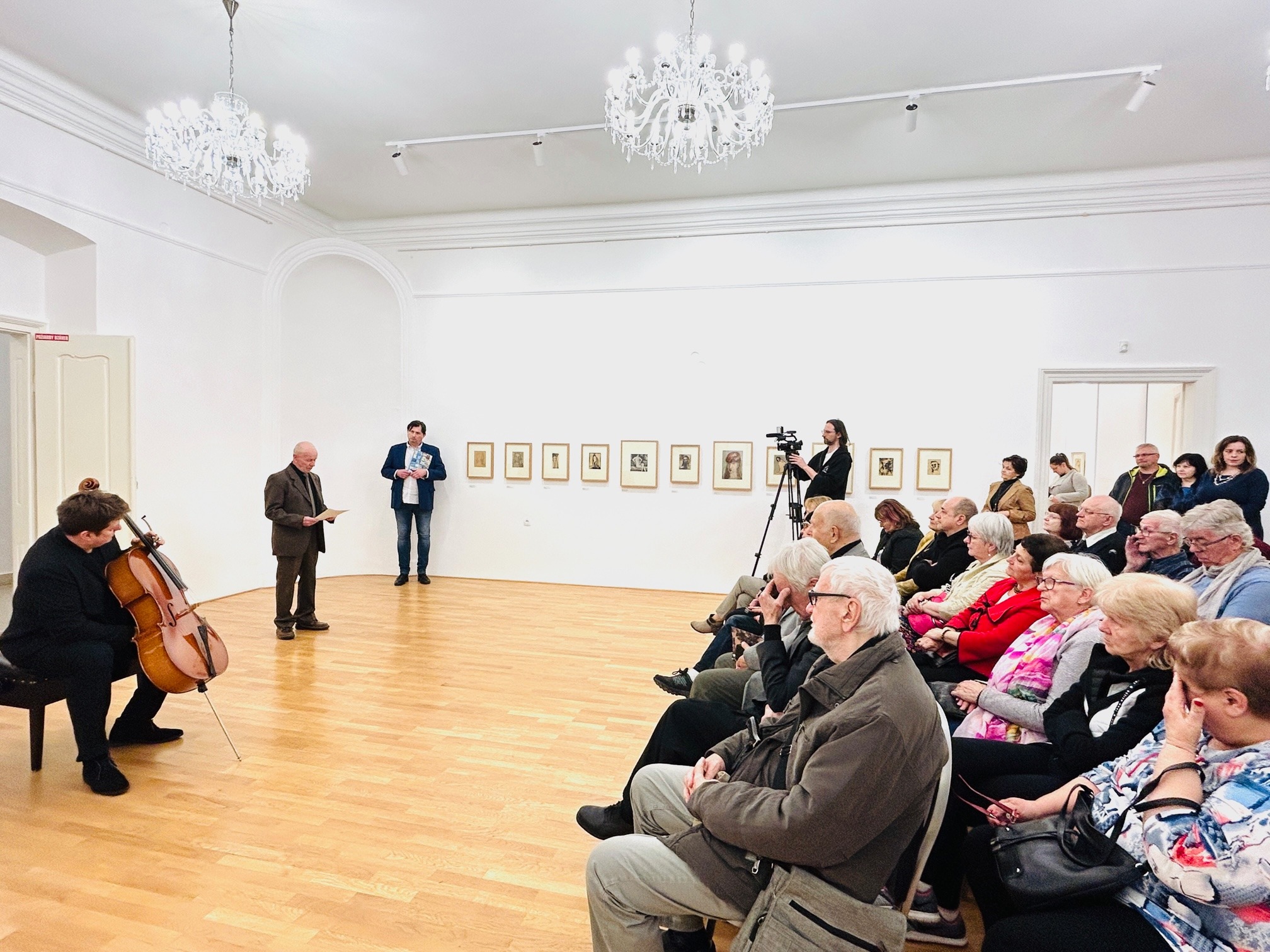
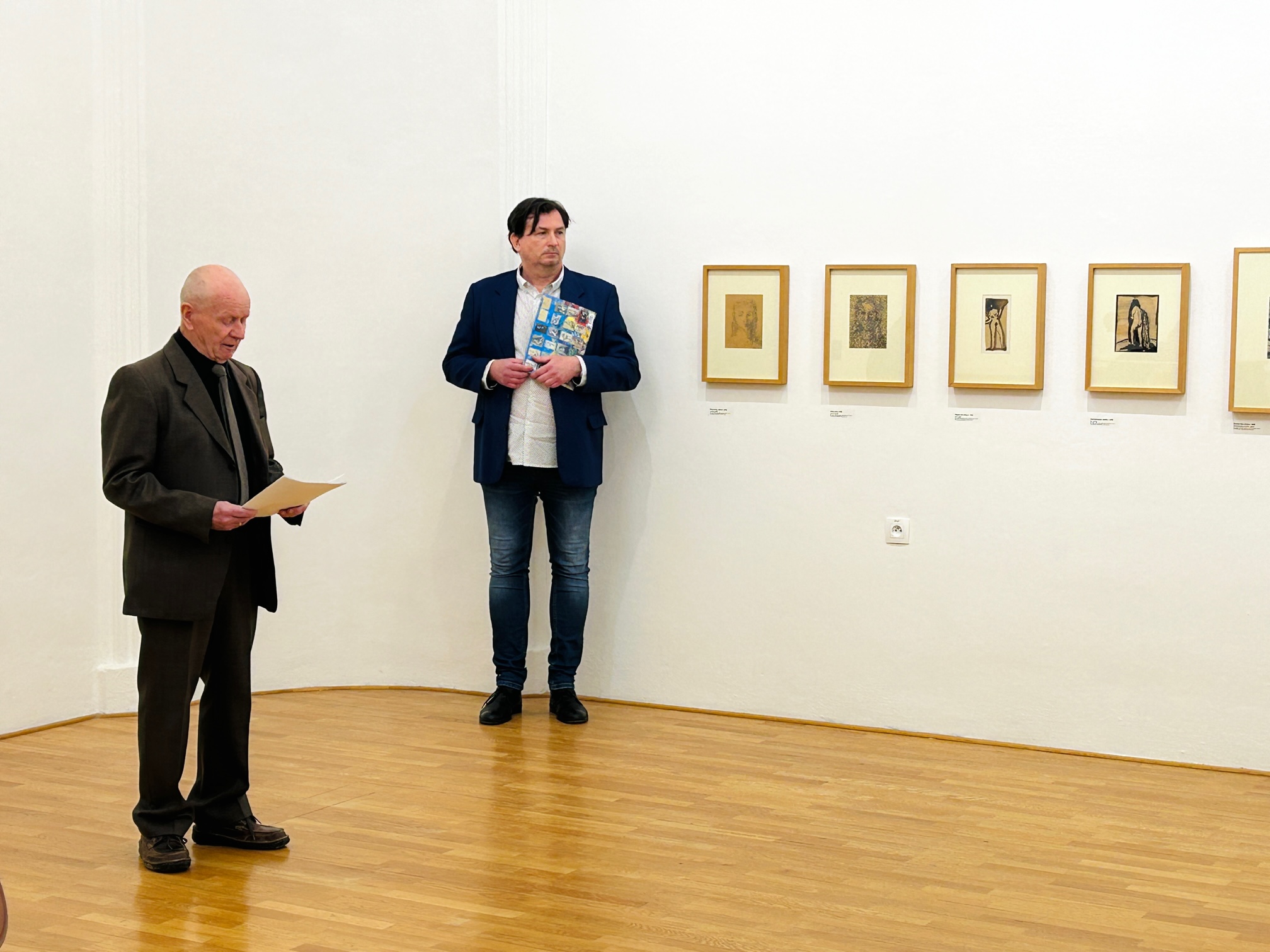
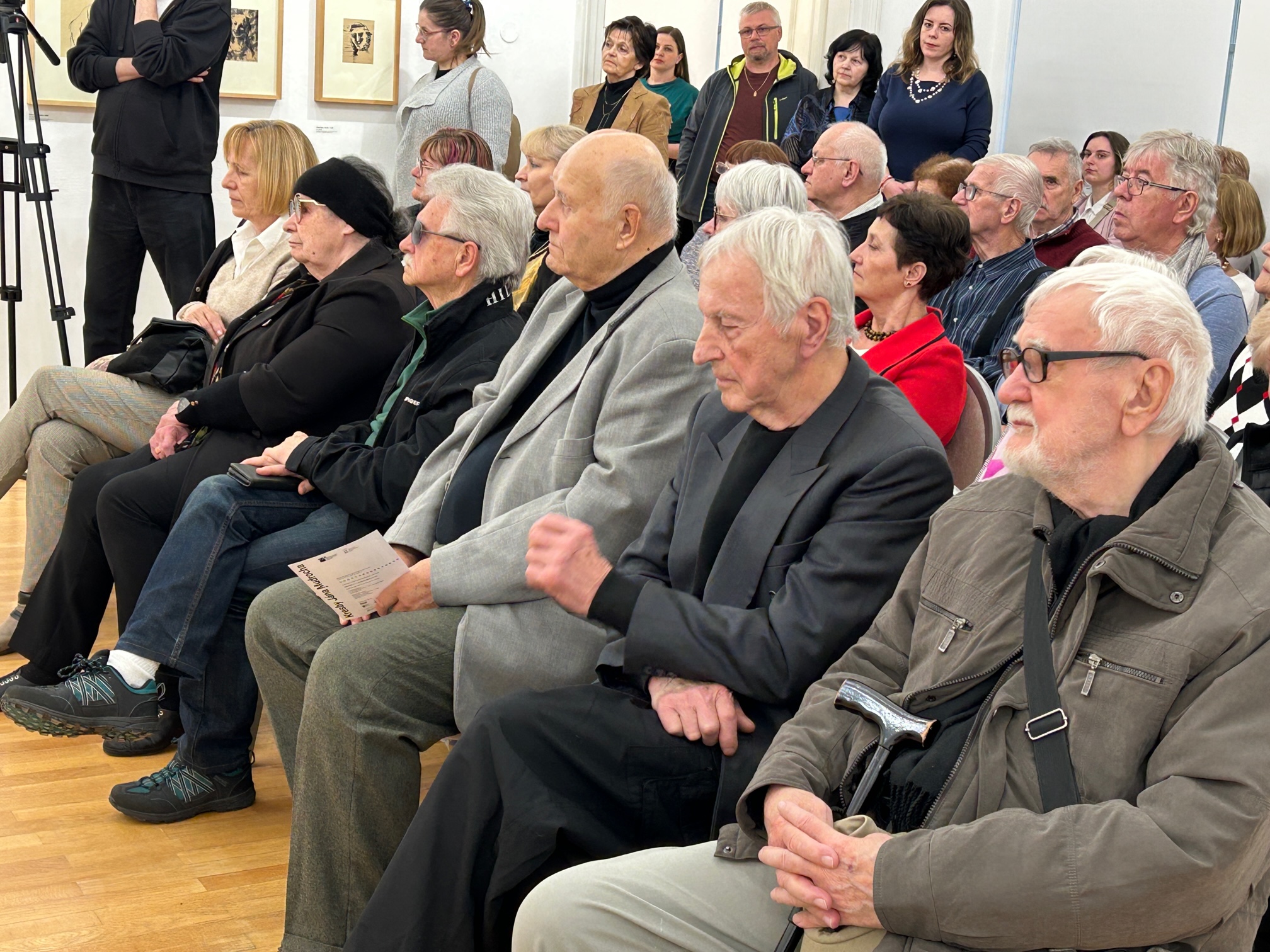
Vernisáž
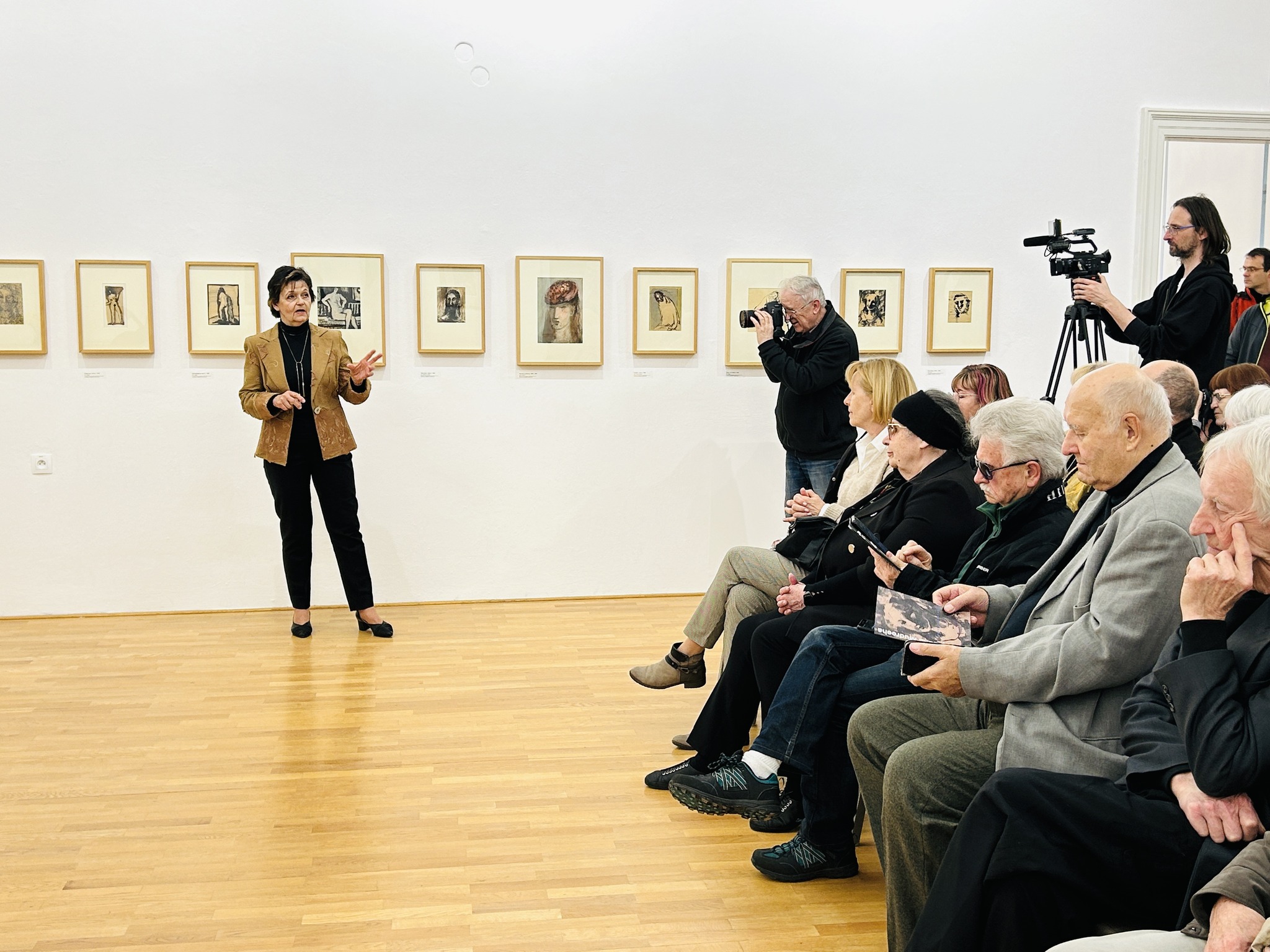
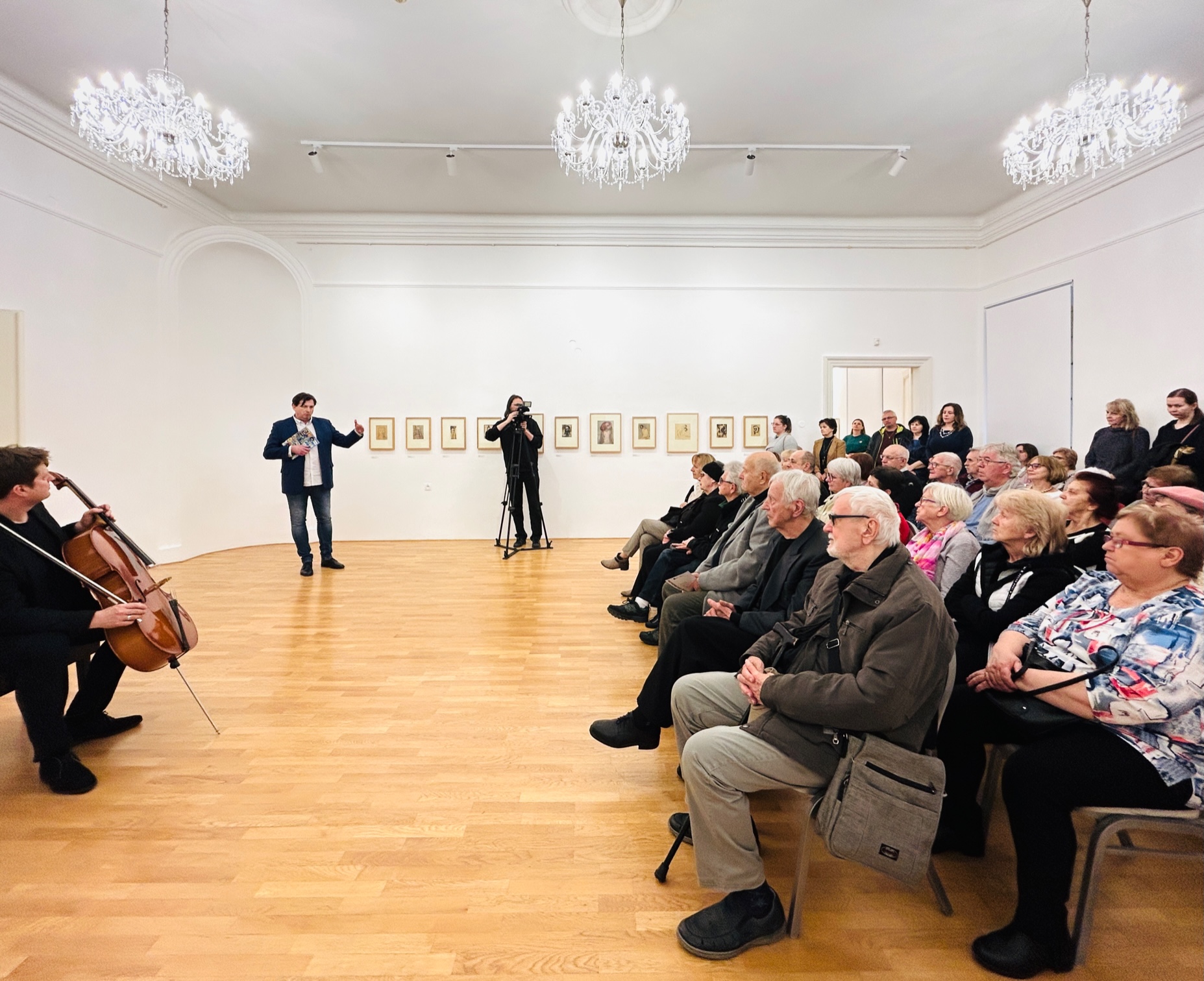
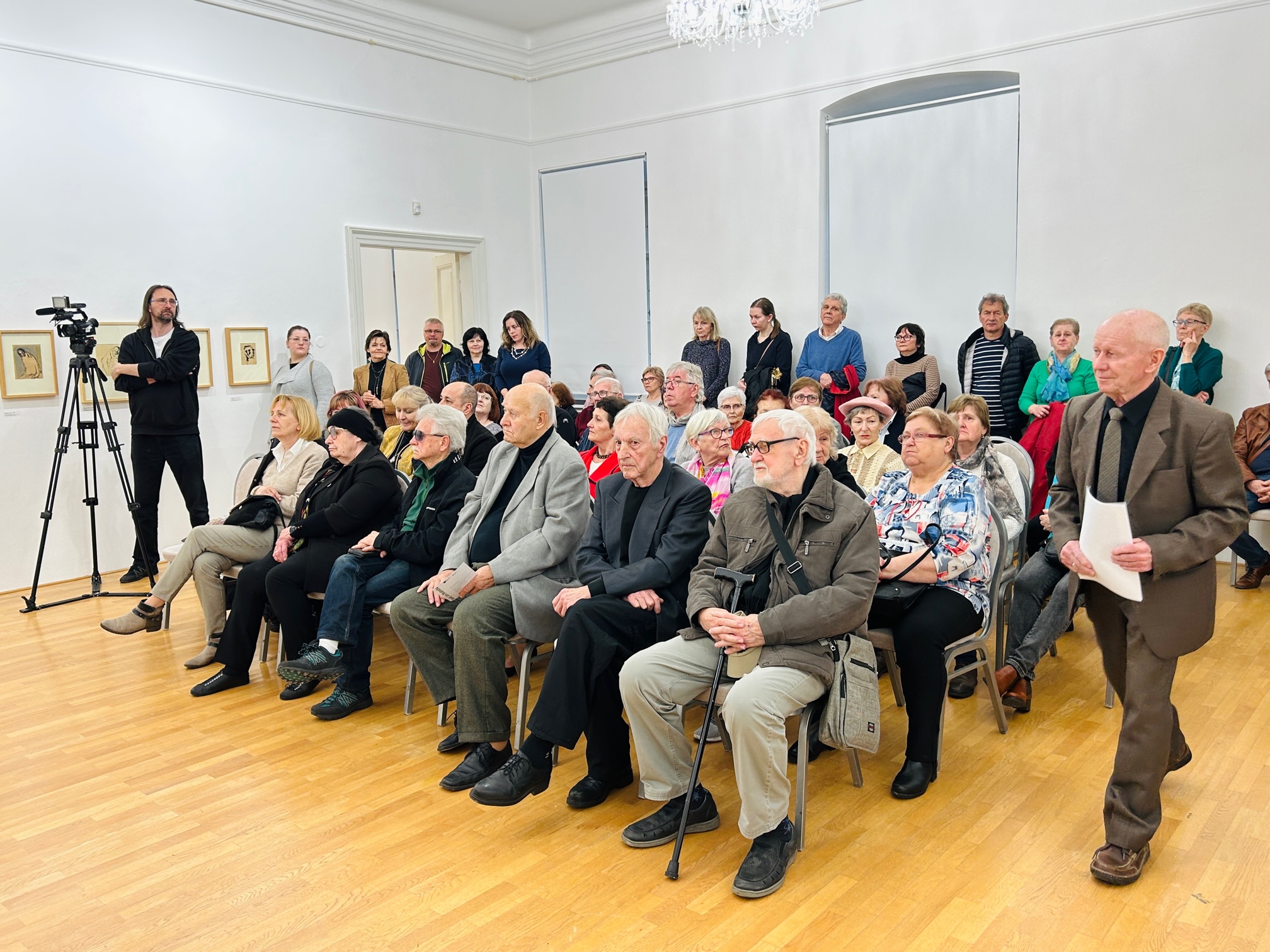
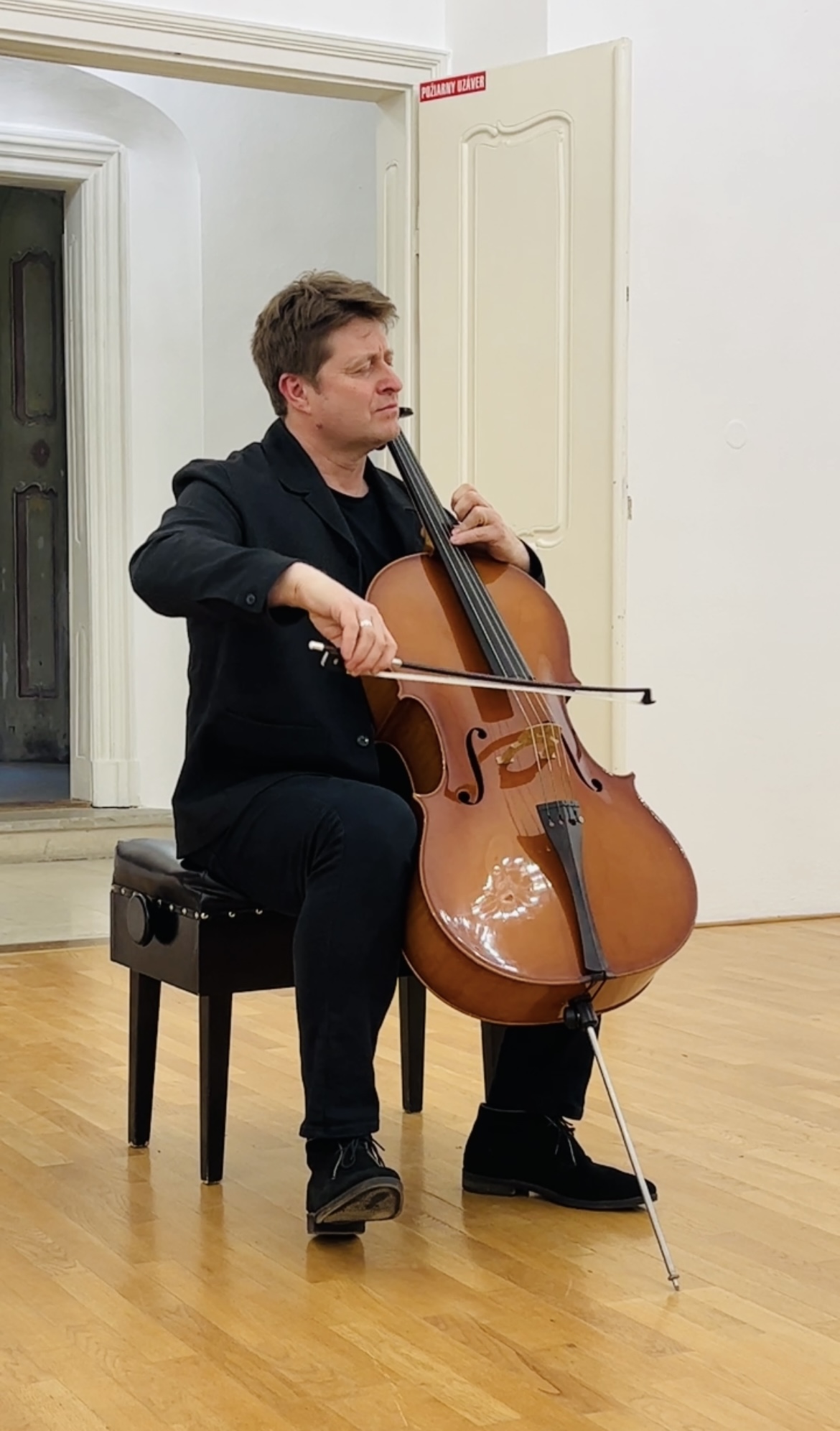
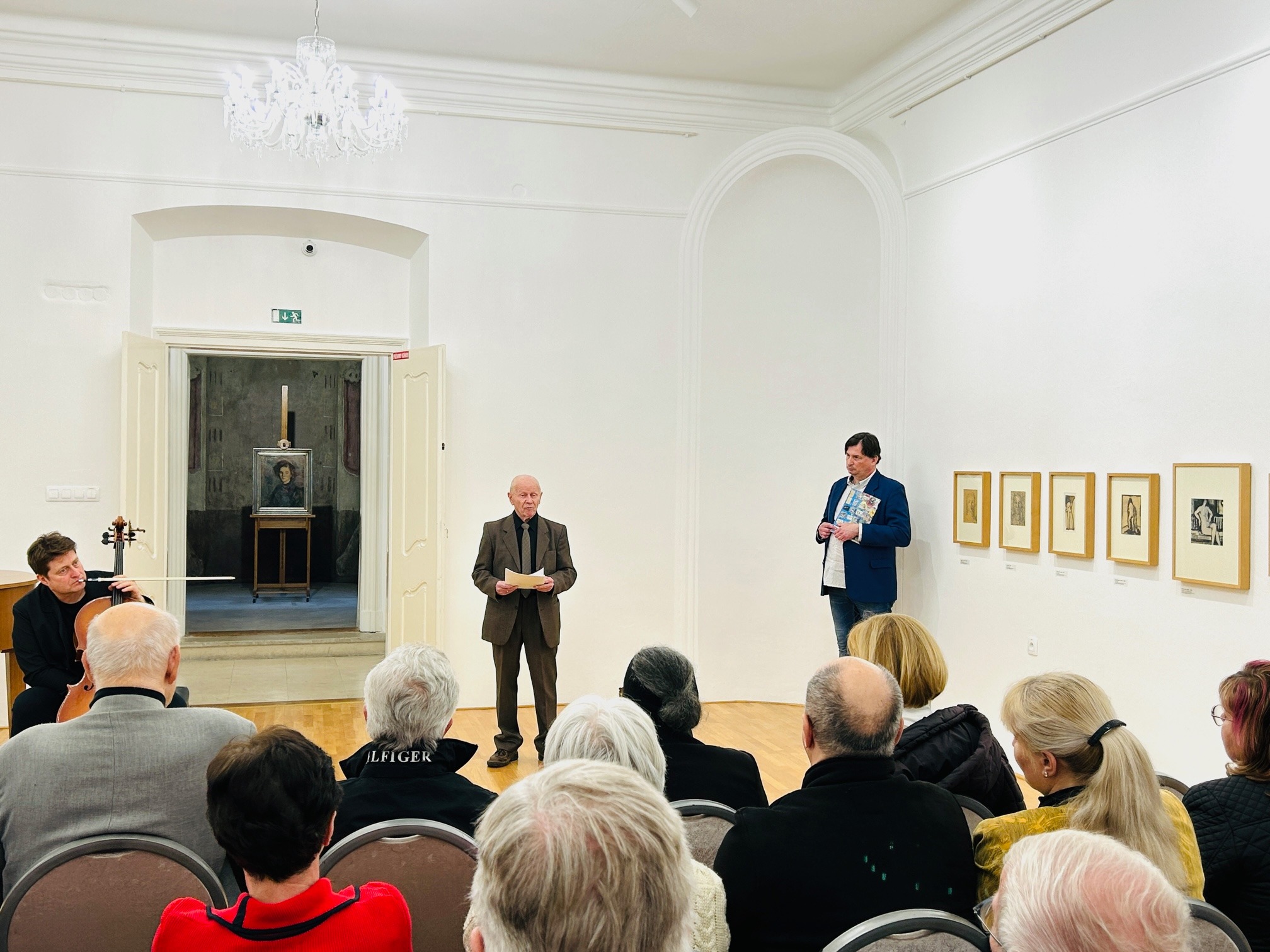
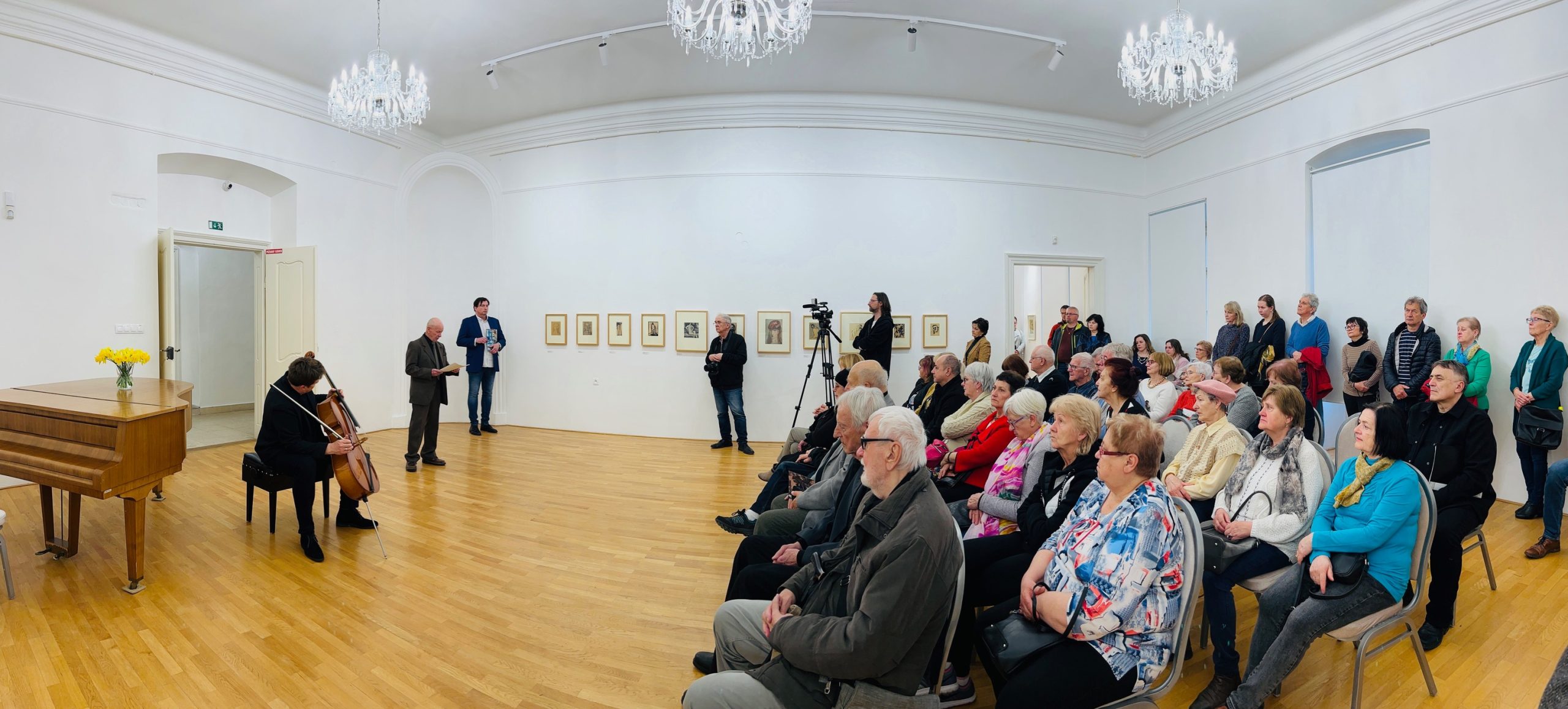
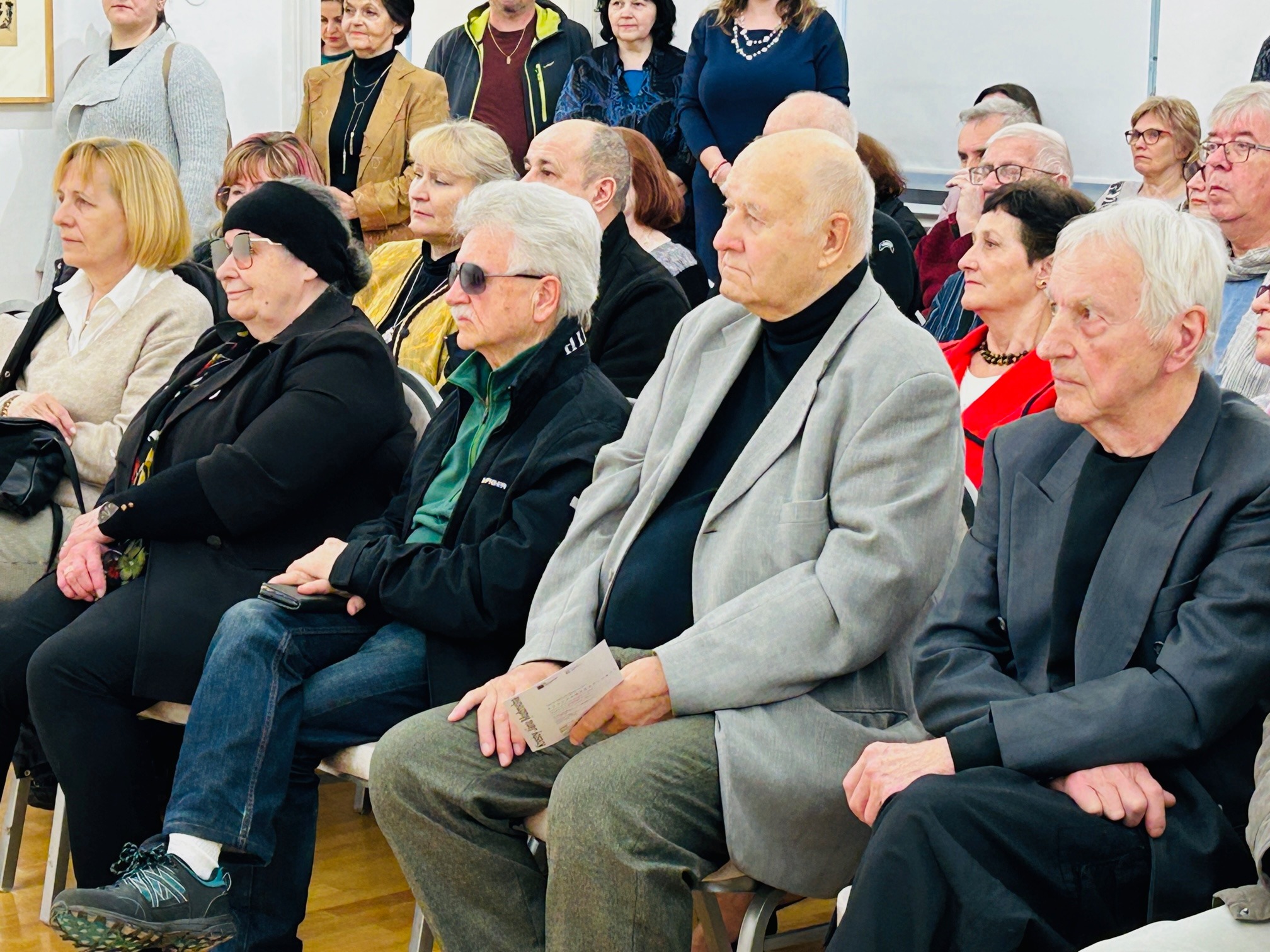
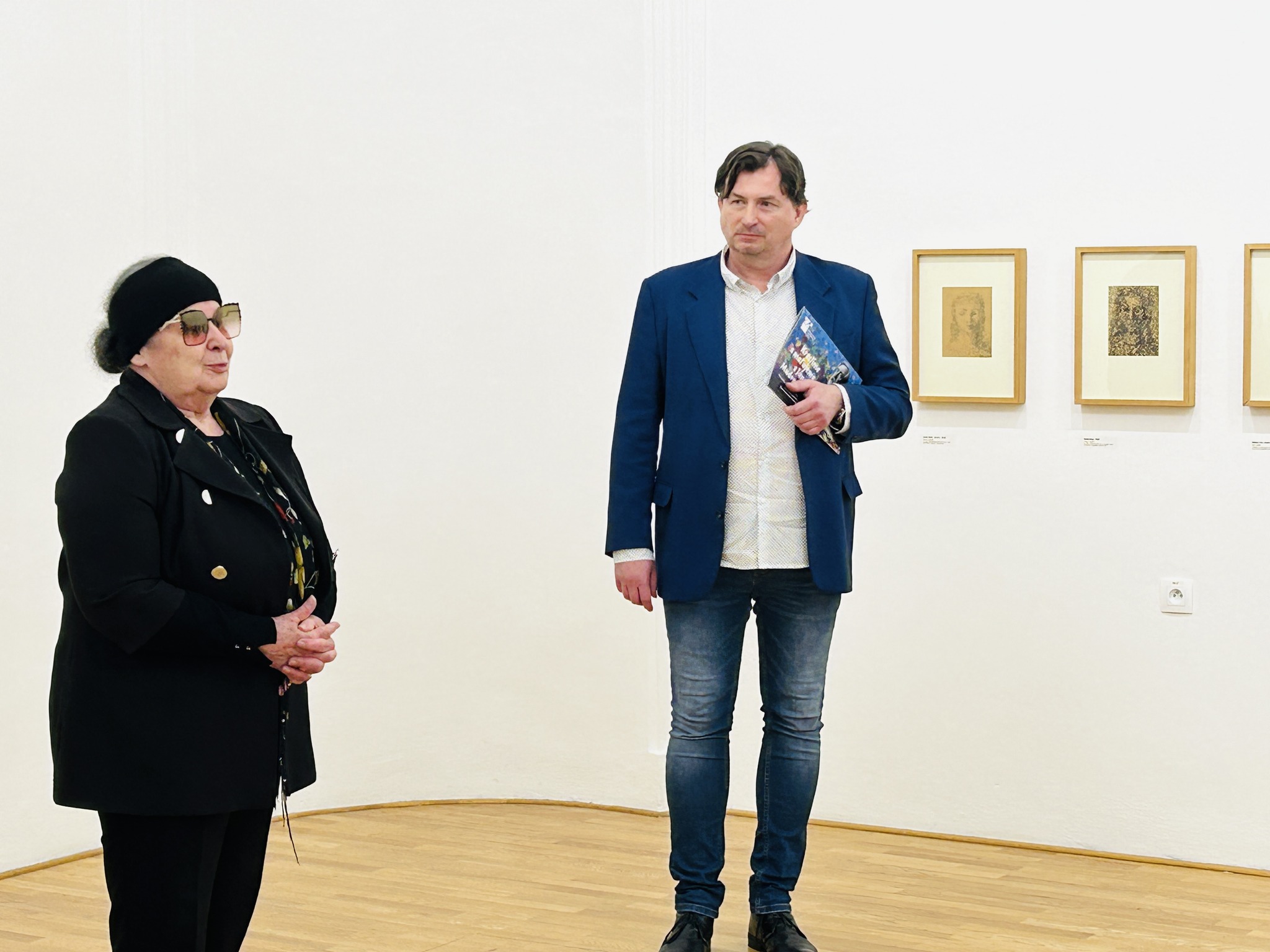
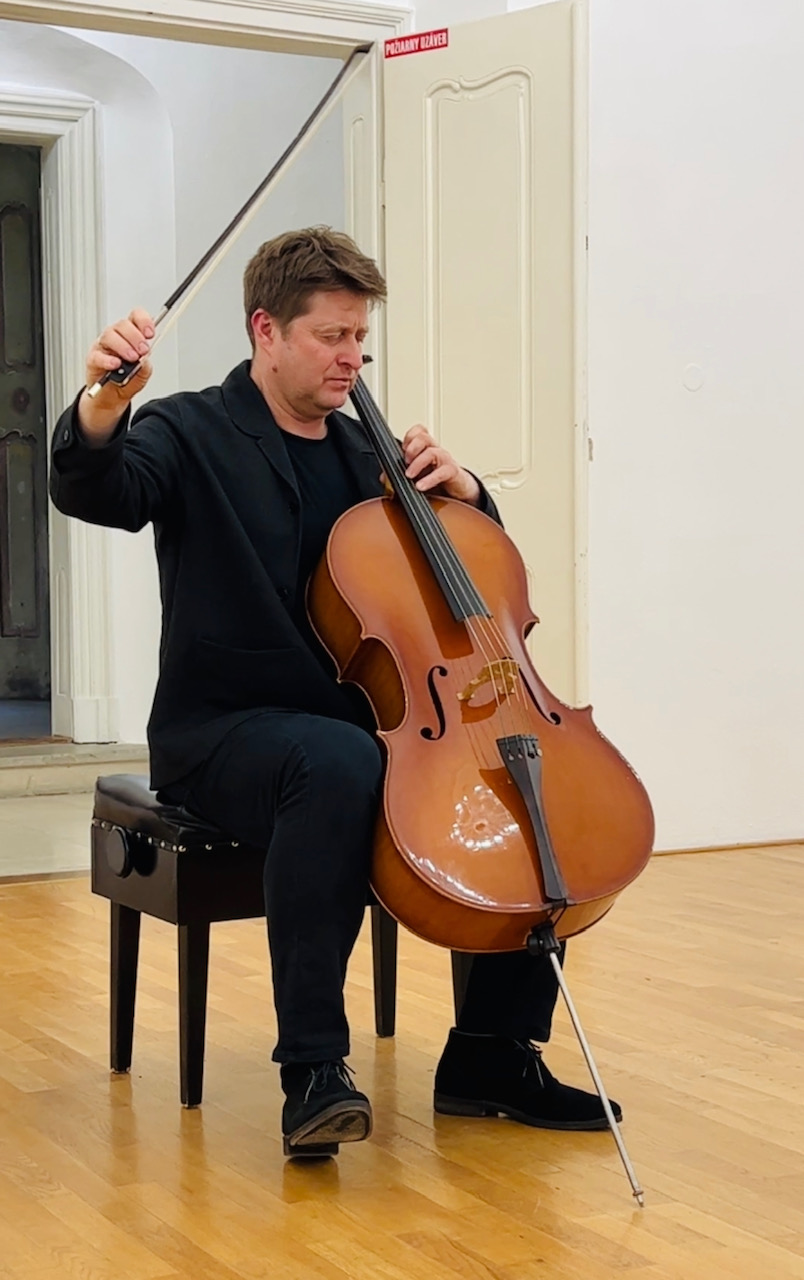
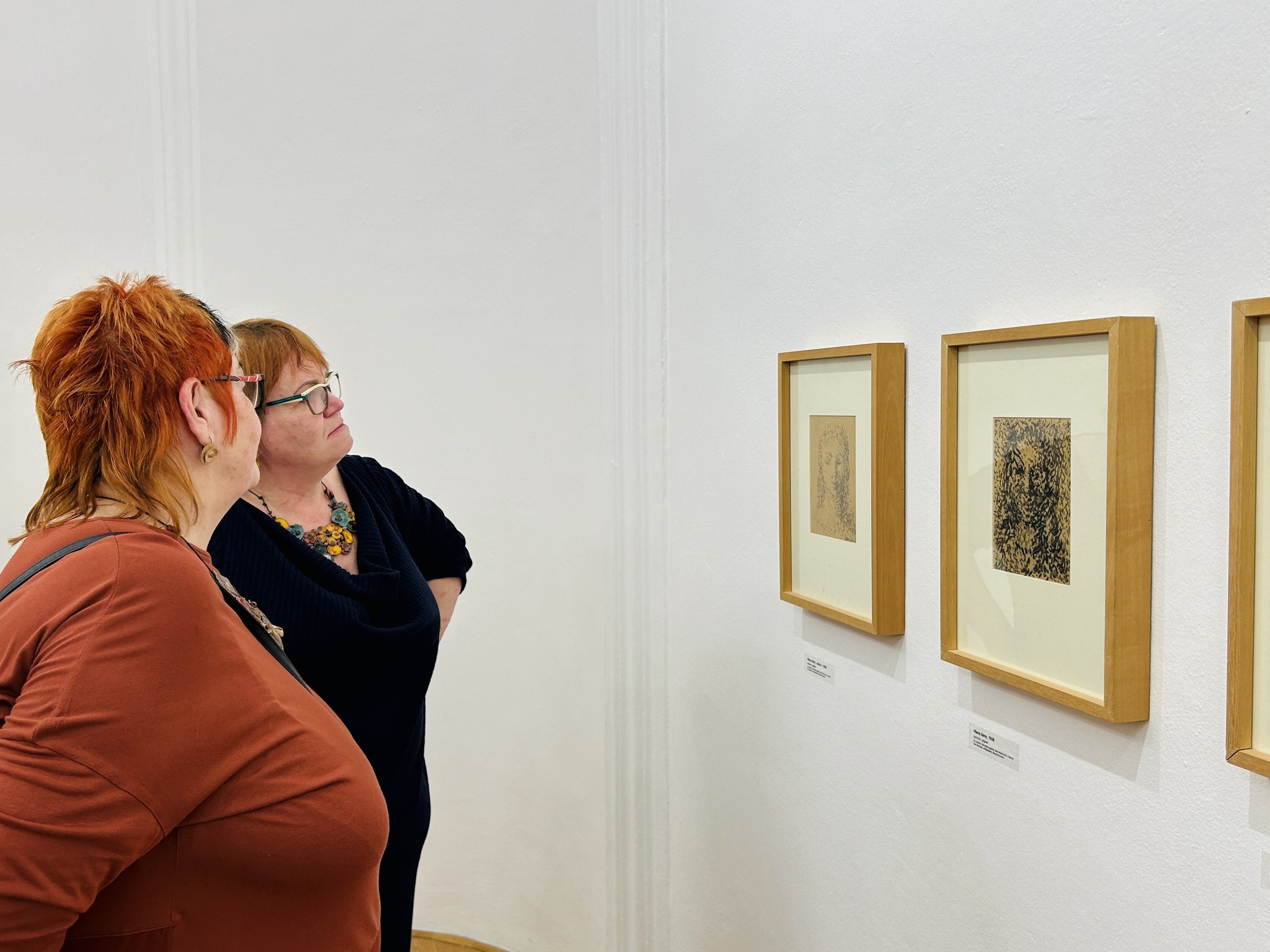
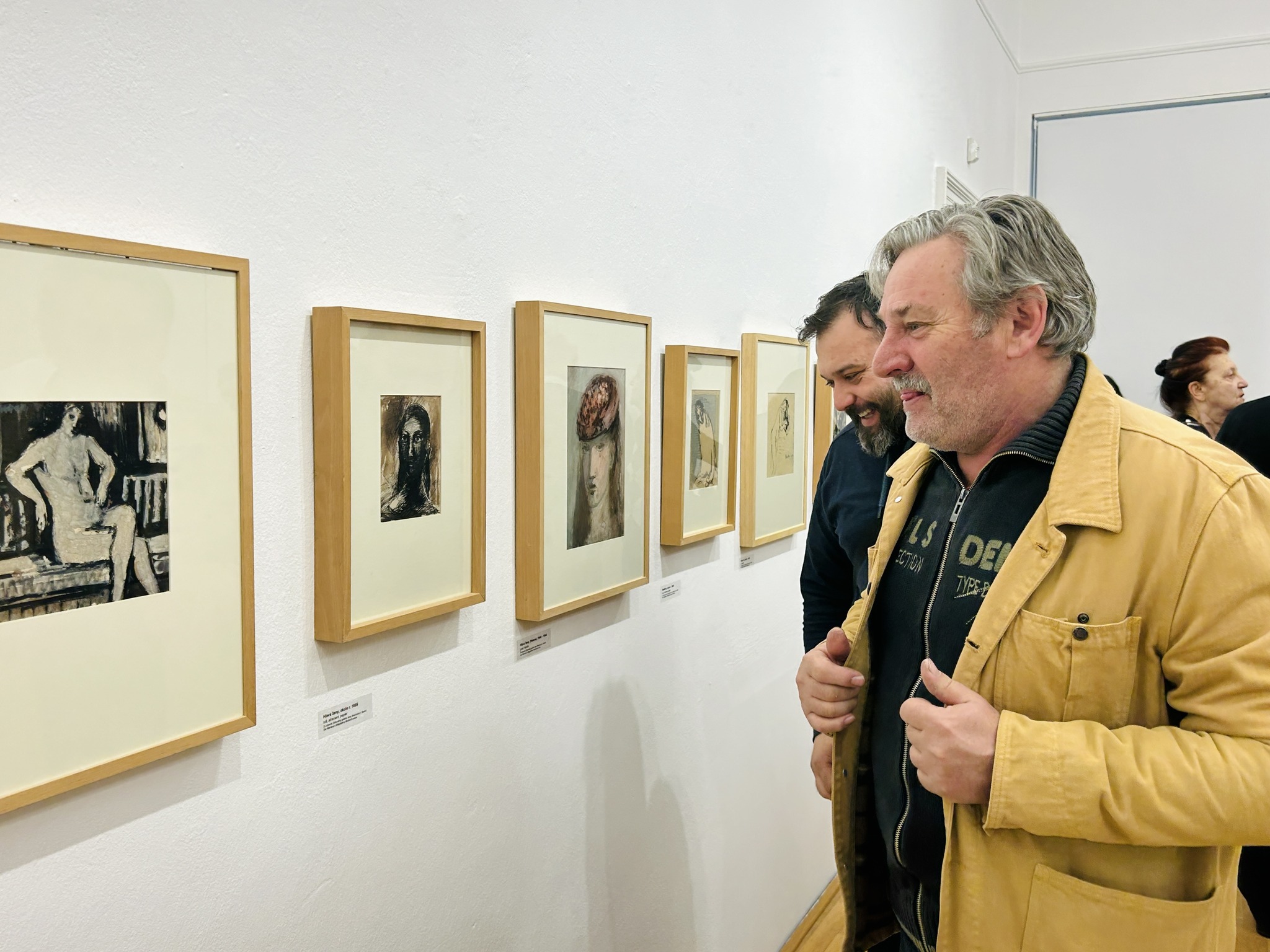
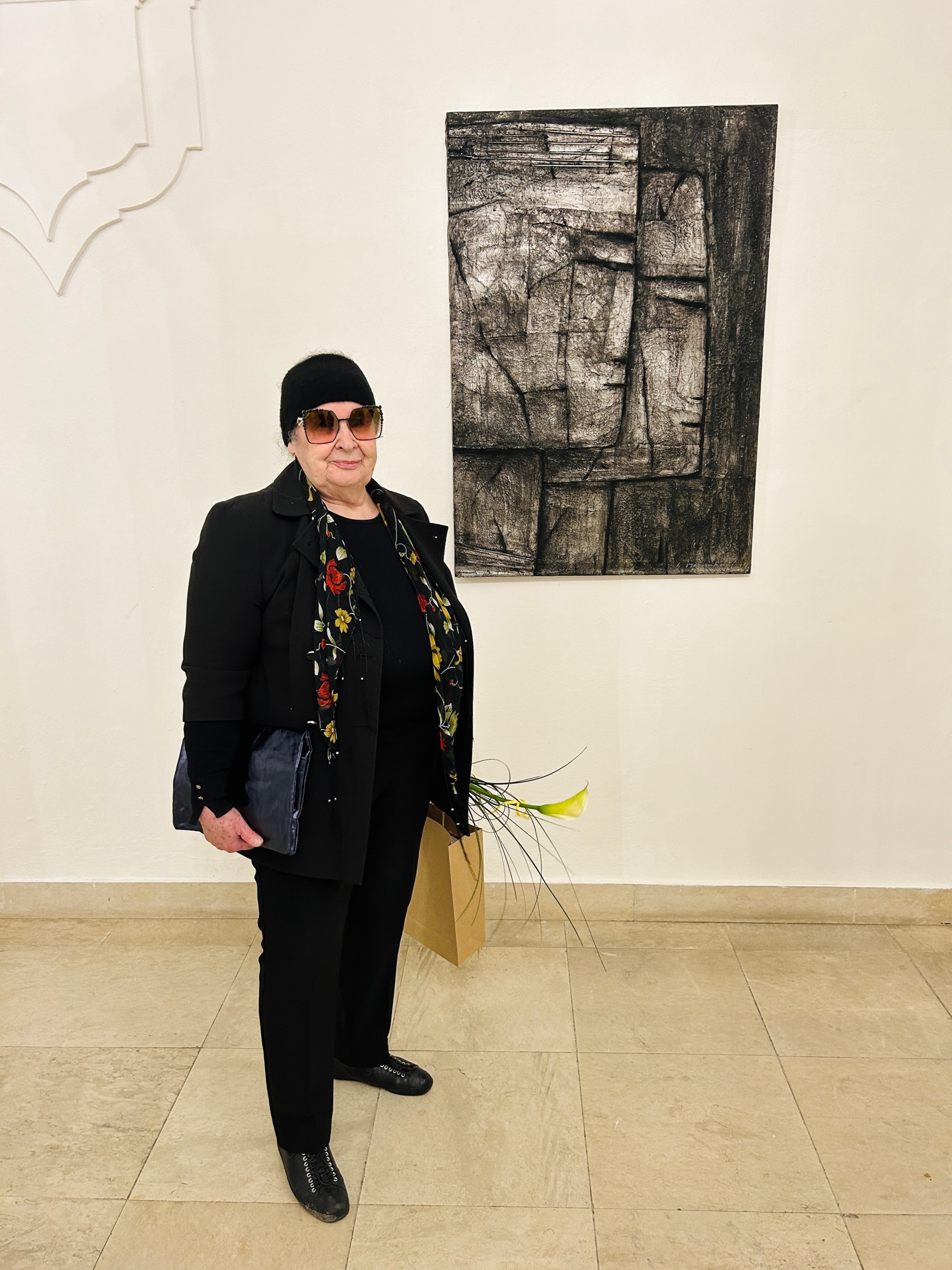
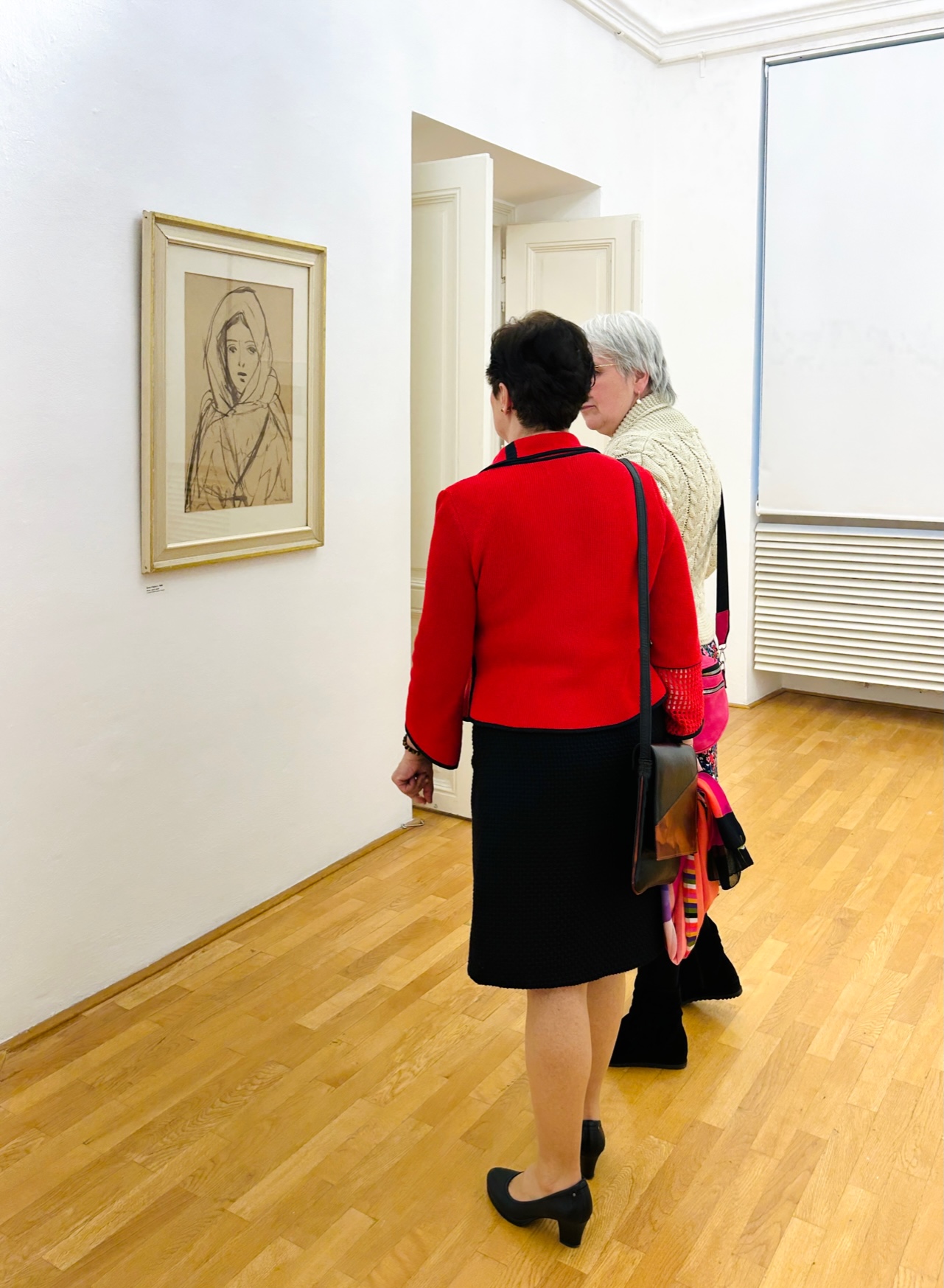
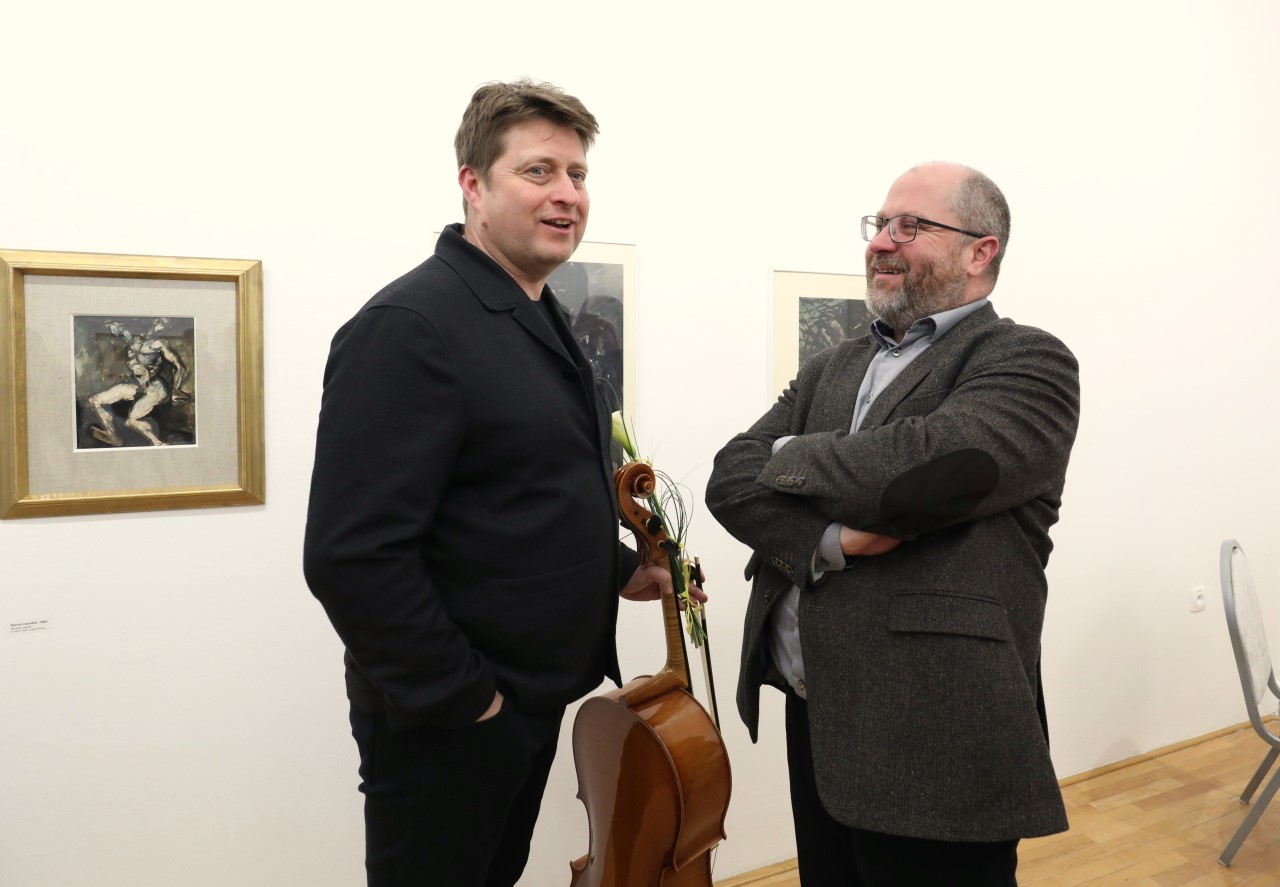
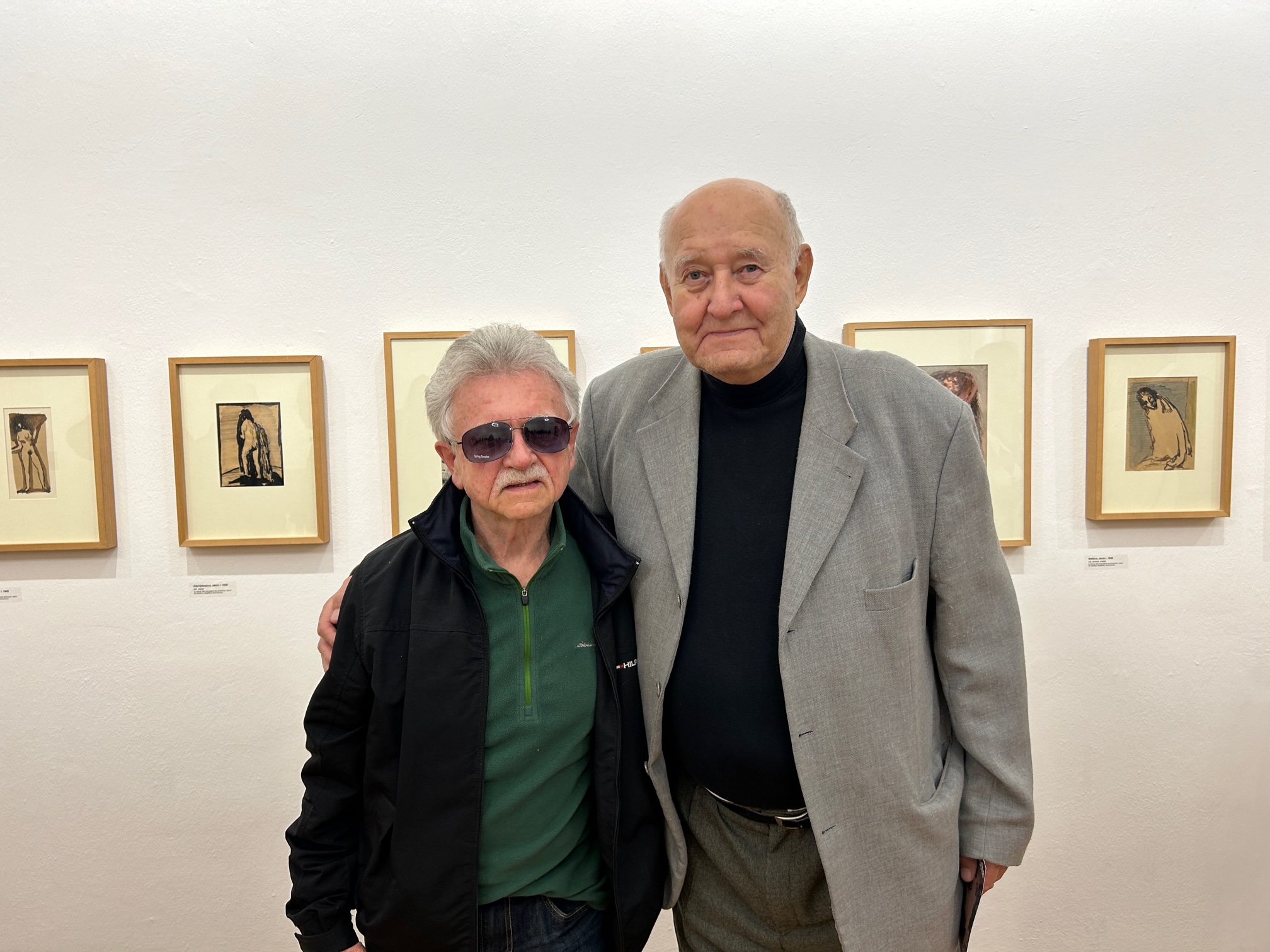
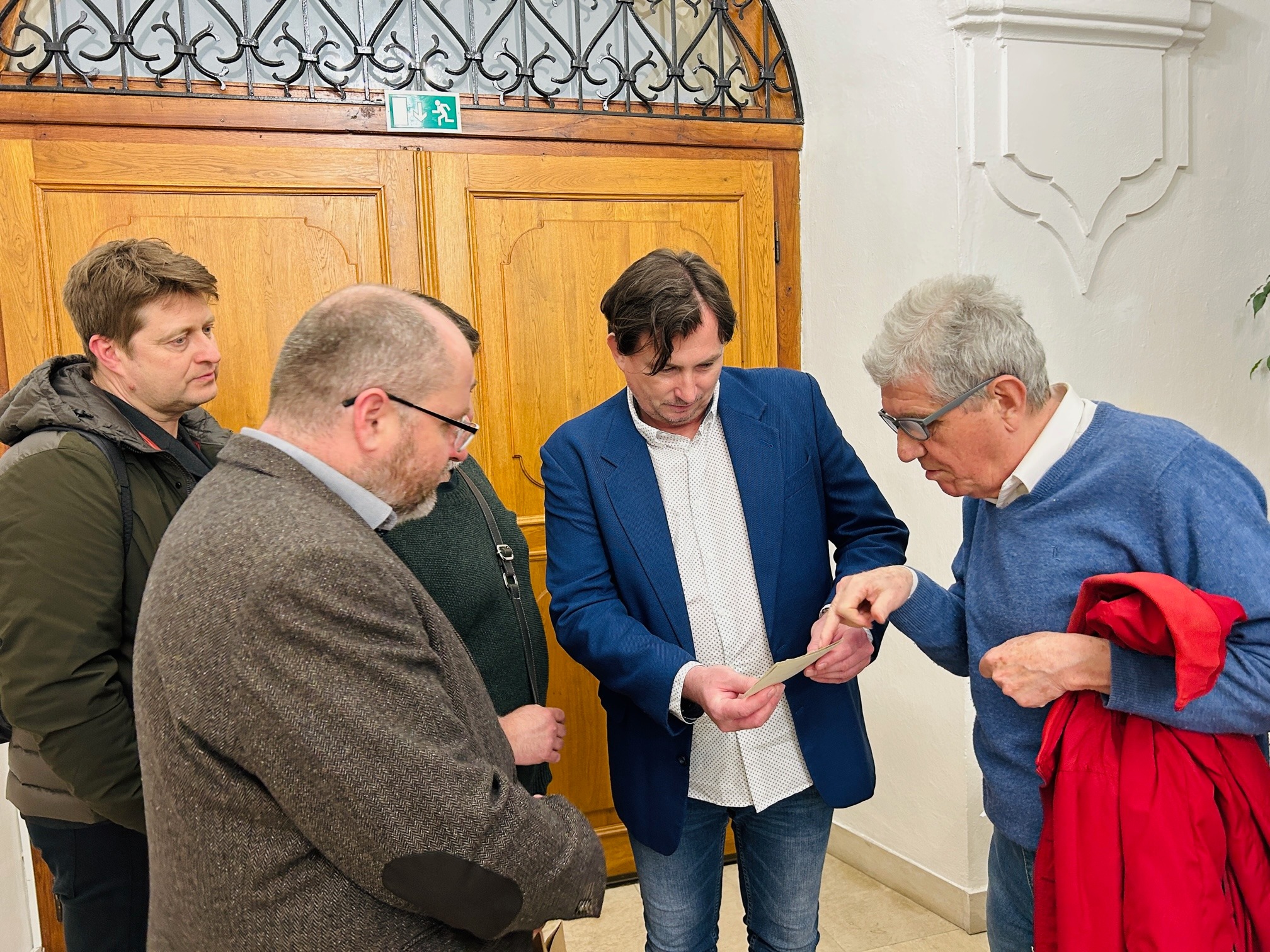
Teraz.sk, TASR, 11. apríla 2023 9:11
Záhorská galéria sprístupní výstavu Kresby Jána Mudrocha
Záhorí.sk, KamVen, 5. apríla 2023:
Kresby Jána Mudrocha /Záhorská galéria v Senici
NaZáhorí.sk, Angelika Kmecová, 13. apríla 2023
V Záhorskej galérii dnes začínajú výstavy Akvizície a Kresby Jána Mudrocha
Správy RTVS z regiónov, piatok 14.04.2023 17:10
Príspevok od 11:30:
Dominika Kusá: Kresby Jána Mudrocha
RTVS.sk, Správy RTVS, piatok 14.04.2023 19:00
Príspevok od 47:55:
Dominika Kusá: V Senici sprístupnili kresby J. Mudrocha
RTVS, Kultúra SK, Nedeľa 16.04.2023 18:00
Príspevok od 24:00:
Pozvánka Kresby Jána Mudrocha